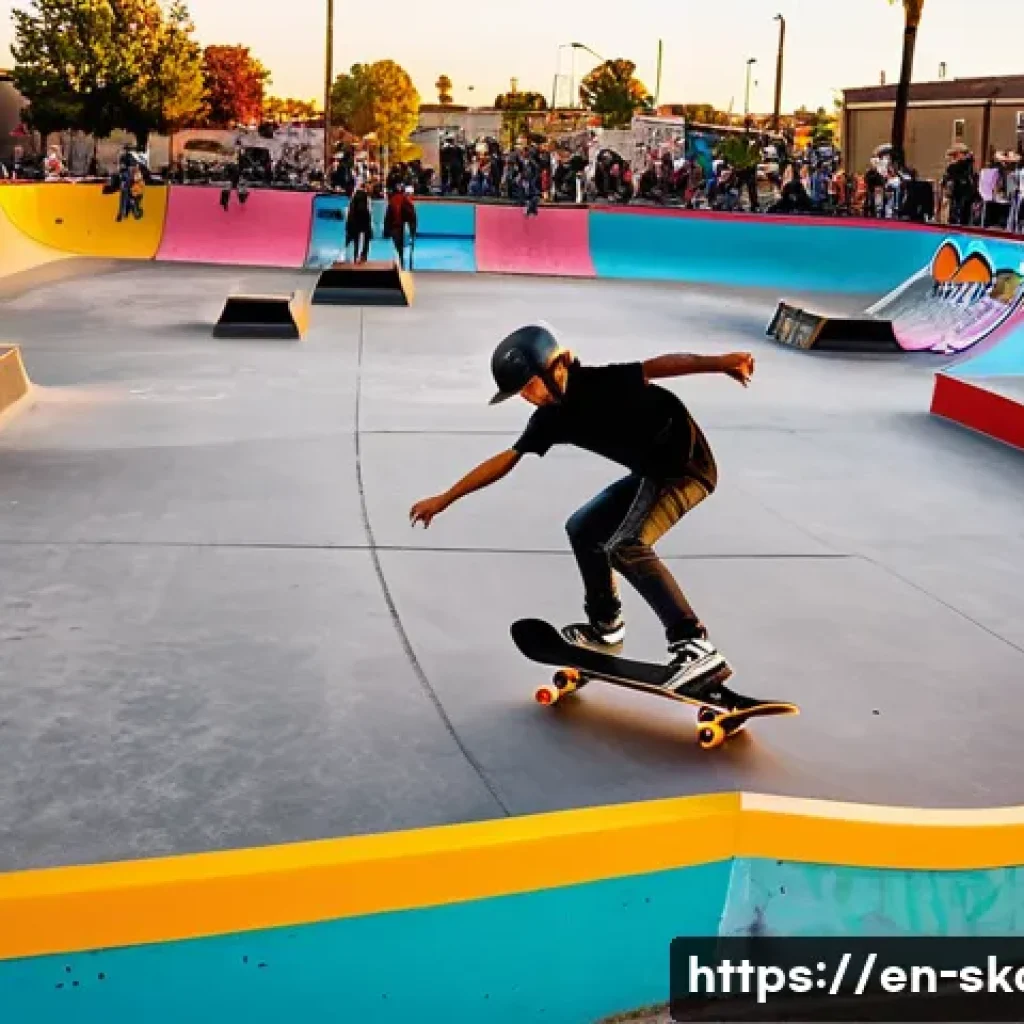
Skateboarding has evolved from a simple pastime into a vibrant global culture that blends art, sport, and community. Its roots trace back to the 1940s and 50s when surfers sought a way to ride the streets during flat waves.
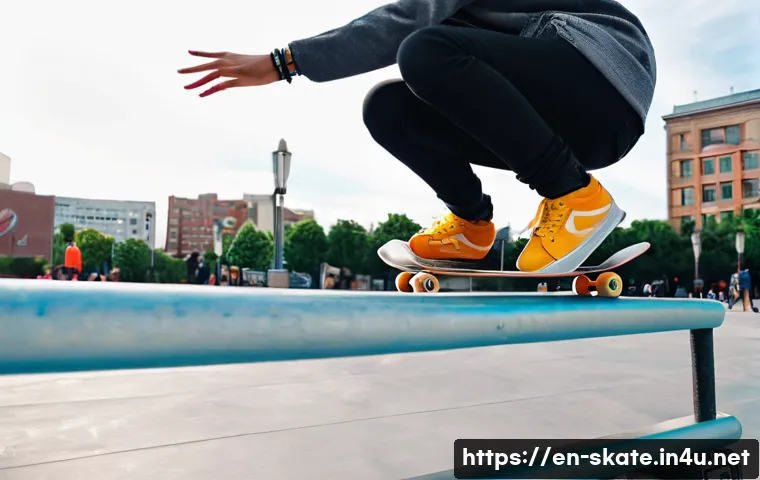
Over the decades, skateboarding has influenced music, fashion, and even urban design, becoming a symbol of freedom and self-expression. Today, it’s more than just a sport; it’s a lifestyle embraced by millions worldwide.
Let’s dive deeper and uncover the fascinating history and culture behind skateboarding!
The Roots of Street Riding
From Surfboards to Skateboards
Skateboarding’s origin story is deeply tied to surfing culture. Back in the 1940s and 50s, surfers in California were restless during flat ocean days, craving a way to capture the thrill of wave riding on land.
They started attaching wheels to wooden boards, creating the first primitive skateboards. These early “sidewalk surfers” weren’t just inventing a new sport; they were expressing a lifestyle deeply connected to freedom and adventure.
This crossover from ocean to pavement laid the foundation for skateboarding’s rebellious and creative spirit that still thrives today.
Early Innovations and Materials
The first skateboards were far from the high-tech gear we see now. They were typically made from wooden crates or planks with roller skate wheels nailed underneath.
Over time, manufacturers began experimenting with different shapes and materials, improving durability and control. By the 1960s, the introduction of clay wheels revolutionized skateboarding, allowing smoother rides and better traction on asphalt.
These developments not only made skateboarding more accessible but also sparked a wave of creativity among riders who pushed the limits of what could be done on four wheels.
Community and Underground Culture
In those early days, skateboarding was more than a hobby; it was a tight-knit community of young people who felt outside mainstream sports. Skateparks were rare, so skaters took to the streets, empty pools, and drainage ditches, turning urban decay into playgrounds.
This underground culture thrived on DIY ethics, self-expression, and a sense of camaraderie. Skaters shared tips, tricks, and stories, building a culture that valued individuality and resilience.
The raw energy of these early communities paved the way for skateboarding’s explosive growth in the decades to come.
The Artistry Behind the Tricks
Skateboarding as a Canvas
One of the coolest things about skateboarding is how it blends physical skill with artistic expression. Every trick, flip, or grind is a form of personal storytelling.
Skaters choreograph their moves with style and flair, turning each ride into a unique performance. The board itself becomes a canvas, often decorated with bold graphics, stickers, and custom paint jobs.
This visual artistry reflects the skater’s personality and the cultural influences they embrace, from punk rock to hip-hop. It’s this fusion of athleticism and creativity that makes skateboarding feel alive and constantly evolving.
Influence on Graphic Design and Fashion
Skateboarding culture has profoundly impacted design trends and streetwear fashion worldwide. Iconic skateboard brands like Vans, Supreme, and Thrasher didn’t just sell gear; they shaped youth culture aesthetics.
The bold logos, edgy typography, and rebellious imagery found on skateboards and apparel have influenced everything from high fashion runways to mainstream advertising.
Skate style’s emphasis on comfort, individuality, and a laid-back vibe resonates beyond the skate parks, making it a permanent fixture in urban fashion scenes.
Music’s Role in Skateboarding Culture
Music and skateboarding have always gone hand in hand, creating an atmosphere that fuels both creativity and community. Punk rock, hip-hop, and alternative genres became the soundtrack of skateboarding, reflecting its countercultural roots.
Skaters often gather around shared playlists or live shows, bonding over the energy and attitude that music brings. This connection extends to skate videos where the choice of soundtrack elevates the visuals, giving viewers a deeper emotional experience.
It’s no exaggeration to say that music helped define the soul of skateboarding culture.
Modern Skateboarding: A Global Movement
Skateboarding Around the World
What started on the streets of California has blossomed into a worldwide phenomenon. Today, skateboarding communities exist in nearly every major city, from Tokyo to São Paulo to Berlin.
Each locale brings its own flavor, influenced by local culture, architecture, and social dynamics. For example, European skaters often embrace technical street skating, while South American skaters might gravitate toward creative use of urban spaces.
This global spread has also fostered international competitions, collaborations, and cross-cultural exchanges, making skateboarding a truly global language of youth.
Olympic Recognition and Its Impact
Skateboarding’s inclusion in the Tokyo 2020 Olympics marked a significant milestone, elevating the sport to new levels of visibility and respect. While some in the community worried about losing skateboarding’s rebellious edge, many welcomed the opportunity to showcase their skills on a world stage.
The Olympics brought fresh attention to the sport, inspiring new generations and opening doors for sponsorships and professional careers. It also sparked debates about maintaining skateboarding’s core values amid mainstream commercialization, highlighting the tension between purity and progress.
Technology and Social Media Influence
The rise of social media platforms like Instagram, YouTube, and TikTok has transformed how skateboarding is shared and consumed. Skaters can now upload clips instantly, connect with global audiences, and build personal brands without relying on traditional media.
This accessibility has democratized the culture, allowing unknown talents to gain recognition quickly. Technology also influences skate gear design, with innovations in board materials, trucks, and wheels enhancing performance.
These changes continue to shape skateboarding’s future, blending tradition with cutting-edge trends.
Skateboarding’s Role in Urban Spaces
Skateparks and Public Spaces
Urban planners and local governments have increasingly recognized skateboarding’s positive impact on communities. Skateparks provide safe, designated areas where skaters can practice and socialize, reducing conflicts with pedestrians and property owners.
These parks often become vibrant hubs for youth activity, fostering inclusivity and creativity. Some cities have embraced skateboarding as a tool for urban renewal, incorporating skate-friendly features into public spaces and architecture.
This partnership between skaters and city planners reflects a growing appreciation of skateboarding’s cultural and social value.
Skateboarding and Street Art
Skateboarding culture frequently intersects with street art and graffiti, creating dynamic urban landscapes. Both movements share a spirit of rebellion and self-expression, often occupying the same public spaces.
Skaters and artists collaborate on murals, customized boards, and event promotions, enriching the visual and cultural fabric of neighborhoods. This synergy has helped legitimize both skateboarding and street art as important elements of contemporary urban culture, challenging traditional notions of public space and creativity.
Challenges of Urban Skateboarding
Despite its cultural contributions, skateboarding in cities can sometimes lead to tensions. Property damage, noise complaints, and safety concerns have sparked debates between skaters, residents, and authorities.
Many cities have responded with skate bans or restrictions, pushing skaters to find alternative spaces or risk fines. This ongoing conflict highlights the need for dialogue and compromise to balance skateboarding’s benefits with community concerns.
Personally, I’ve seen how inclusive skateparks and community outreach programs can bridge gaps, turning skeptics into supporters.
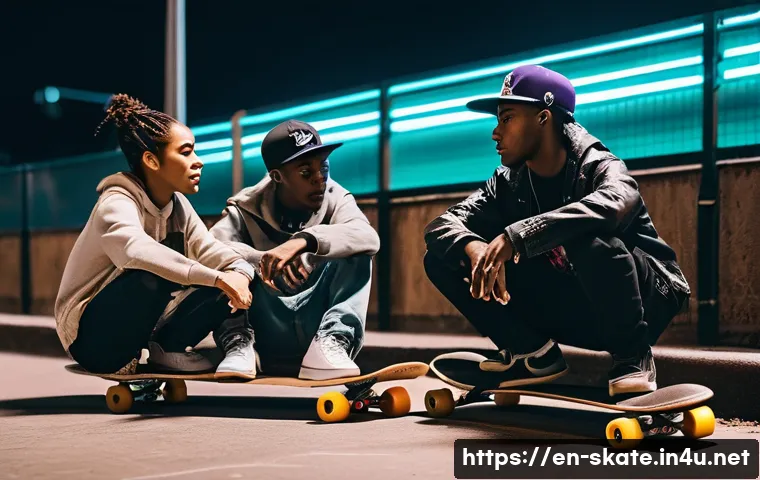
Skateboarding and Social Impact
Empowering Youth and Marginalized Groups
Skateboarding offers more than just fun; it serves as a powerful tool for empowerment, especially among youth and marginalized communities. It teaches resilience, creativity, and self-confidence, providing a constructive outlet for energy and emotion.
Nonprofit organizations worldwide use skateboarding programs to engage at-risk youth, promoting positive social change and mental health. From inner-city neighborhoods to refugee camps, skateboarding’s inclusive nature breaks down barriers and builds friendships across diverse backgrounds.
Gender Diversity in Skateboarding
Historically male-dominated, skateboarding has been undergoing a significant shift toward gender diversity. Female skaters are gaining visibility and respect, challenging stereotypes and expanding the culture’s boundaries.
Events, media, and brands increasingly highlight women’s contributions, inspiring more girls to pick up a board. This evolution enriches the skateboarding community by fostering inclusivity and broadening perspectives.
From my experience attending mixed-gender skate sessions, the energy and support among skaters are genuinely uplifting and transformative.
Skateboarding as a Platform for Activism
Many skaters use their voice and visibility to advocate for social and environmental causes. Skateboarding’s grassroots ethos aligns well with movements for justice, sustainability, and community empowerment.
Whether through benefit events, art, or public demonstrations, skaters often push for change beyond the sport itself. This activist spirit keeps skateboarding relevant and connected to broader societal issues, proving it’s not just a pastime but a meaningful cultural force.
Essential Gear and Evolution of Equipment
From Wood to High-Tech Materials
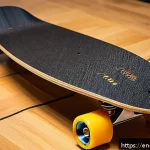
Early skateboards were basic wooden planks, but today’s boards are marvels of engineering. Modern decks use layered maple wood combined with fiberglass or carbon fiber to maximize strength and flexibility.
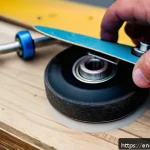
This evolution improves durability and performance, allowing skaters to land more complex tricks with confidence. Wheels have also advanced, with polyurethane compounds offering various hardness levels tailored to different surfaces and riding styles.
Personally, upgrading my board to a carbon-fiber reinforced deck made a noticeable difference in control and comfort.
Safety Gear and Its Growing Importance
While skateboarding always carried some risk, the awareness and use of safety gear have increased dramatically. Helmets, knee pads, elbow pads, and wrist guards are now standard for many skaters, especially beginners.
Advances in safety equipment design have made gear more comfortable and less intrusive, encouraging wider adoption. This trend helps reduce injuries and extends skateboarding careers, allowing skaters to push their limits more safely.
In my early days, I skipped wearing pads, but after a few falls, embracing safety gear became a no-brainer.
Popular Brands and Their Impact
The skateboarding industry is supported by a mix of iconic brands and emerging companies, each contributing to the culture’s vibrancy. Brands like Element, Girl, and Baker have become household names within the community, known for quality products and authentic connections to skateboarding roots.
Meanwhile, newer brands often focus on sustainability or niche styles, reflecting the sport’s diversity. These companies don’t just sell gear; they sponsor riders, produce media, and shape skateboarding’s identity worldwide.
| Equipment | Description | Impact on Skateboarding |
|---|---|---|
| Deck | Layered maple wood, sometimes reinforced with fiberglass/carbon fiber | Improves durability, flexibility, and trick performance |
| Wheels | Polyurethane with varied hardness for different terrains | Enhances grip and smoothness on various surfaces |
| Trucks | Metal axle assemblies that attach wheels to deck | Allow turning and stability; adjustable for rider preference |
| Safety Gear | Helmets, knee/elbow pads, wrist guards | Reduces injury risk, encourages longer, safer skating |
| Footwear | Durable shoes with grip soles and reinforced areas | Improves board control and foot protection |
The Language and Lingo of Skateboarding
Key Terms Every Skater Should Know
Skateboarding has developed its own rich vocabulary, full of colorful slang and technical terms that can be confusing to outsiders. Words like “ollie,” “grind,” and “kickflip” describe specific tricks, while phrases like “goofy foot” or “regular stance” relate to how a skater positions their feet.
Learning this lingo is part of joining the community, and it helps riders communicate quickly and clearly. From personal experience, picking up these terms felt like unlocking a secret code that deepened my connection to the culture.
How Language Builds Community
The shared language of skateboarding does more than describe tricks; it creates bonds among skaters worldwide. Whether chatting at a skatepark or commenting on a video, this common vocabulary fosters a sense of belonging.
It also helps preserve skateboarding’s history and traditions, passing knowledge from one generation to the next. The lingo evolves too, reflecting new trends and innovations, keeping the culture fresh and inclusive.
Influence of Media on Skateboarding Speech
Skate videos, magazines, and social media have played a major role in spreading skateboarding’s language and culture. Commentators, pros, and fans alike contribute to shaping how skaters talk about their craft.
Viral clips and online tutorials introduce new terms and popularize emerging styles globally. This media-driven evolution keeps skateboarding linguistically dynamic and accessible, helping newcomers feel part of the worldwide skate family faster than ever before.
In Conclusion
Skateboarding is much more than a sport; it’s a vibrant culture rooted in creativity, community, and self-expression. From its humble beginnings to its global presence today, skateboarding continues to evolve while staying true to its rebellious spirit. Whether through artistry, innovation, or social impact, this unique lifestyle connects people across generations and borders. Embracing skateboarding means embracing freedom, resilience, and a shared passion for pushing boundaries.
Useful Information to Keep in Mind
1. Skateboarding originated from surfers seeking to replicate the feeling of riding waves on land, giving it a deep connection to freedom and adventure.
2. Early skateboards were simple wooden boards with wheels, but innovations like clay wheels and advanced materials transformed the sport’s possibilities.
3. The culture thrives on community, DIY ethics, and self-expression, often turning urban spaces into creative playgrounds.
4. Safety gear such as helmets and pads has become essential, helping skaters enjoy the sport longer and with fewer injuries.
5. Social media has revolutionized skateboarding by allowing skaters worldwide to share their skills, grow their brands, and influence trends instantly.
Key Takeaways
Skateboarding blends athleticism with artistic expression, fostering a unique culture that values individuality and creativity. Its global growth is supported by evolving technology, inclusive communities, and the power of social media. While challenges exist, such as urban conflicts and the balance between mainstream success and authenticity, skateboarding remains a vital cultural force that empowers youth and promotes positive social change. Prioritizing safety and embracing diversity are essential for the sport’s continued evolution and lasting impact.
Frequently Asked Questions (FAQ) 📖
Q: How did skateboarding originally begin and what inspired its creation?
A: Skateboarding started in the 1940s and 50s when surfers in California wanted to find a way to surf the streets on days when the ocean waves were too flat.
They attached wheels to wooden boards, creating a new way to mimic surfing on land. This inventive spirit laid the groundwork for what would become skateboarding culture, blending sport with creativity and freedom.
Q: In what ways has skateboarding influenced broader culture beyond just being a sport?
A: Skateboarding has had a huge impact on music, fashion, and even urban design. It brought about new styles in streetwear, inspired punk and hip-hop music scenes, and led to the development of skate parks and public spaces that accommodate skaters.
More than that, it symbolizes freedom, rebellion, and self-expression, attracting people who want to carve out their own unique identity.
Q: Why do so many people consider skateboarding more of a lifestyle than just a sport?
A: From my experience and talking with many skaters, skateboarding isn’t just about tricks or competition—it’s a way of life. It builds a strong community where people share creativity, support, and a sense of belonging.
The culture encourages individuality and resilience, and many skaters find that it shapes their attitude, style, and even friendships outside the board.
It’s this deep connection that makes skateboarding truly special.