Skateboarding has seen a surge in popularity recently, with more enthusiasts hitting the streets and parks every day. But no matter how skilled you are, the secret to a smooth ride often comes down to your bearings.

If you’ve ever felt your wheels dragging or heard that annoying squeak, it’s time to dive into proper bearing care. In this guide, I’ll share practical tips and tricks I’ve learned firsthand to keep your wheels spinning effortlessly.
Whether you’re a casual cruiser or a seasoned pro, mastering bearing maintenance can transform your skating experience. Let’s roll into the details and make sure your ride stays slick and fast!
Choosing the Right Bearings for Your Skateboard
Understanding Bearing Ratings and Materials
When I first got into skateboarding, I was overwhelmed by the variety of bearings available. Bearings usually come with an ABEC rating, which measures their precision and tolerance.
Higher ABEC numbers generally mean smoother and faster spins, but in skateboarding, the difference isn’t always noticeable unless you’re racing or doing tricks at high speed.
What really matters is the material—most bearings are made from steel or ceramic. Ceramic bearings are pricier but offer less friction and better durability.
I tried both, and while ceramic bearings feel slicker, steel bearings still hold up great with proper maintenance. If you’re on a budget, quality steel bearings with good lubrication can last you a long time without breaking the bank.
Sealed vs. Open Bearings: Which Fits Your Style?
Sealed bearings come with shields that keep dirt and moisture out, which sounds ideal, but I found they sometimes trap heat and slow down a bit under heavy use.
Open bearings spin faster but require more frequent cleaning and lubrication. If you skate in dusty parks or rainy conditions, sealed bearings might save you from constant maintenance.
On the other hand, if you love tuning your gear and don’t mind getting your hands dirty, open bearings offer better performance once you keep them clean.
For me, I switch between the two depending on the environment I’m skating in—sealed for city streets and open for dry skateparks.
Cleaning Your Bearings Without Damaging Them
Step-by-Step Cleaning Process That Actually Works
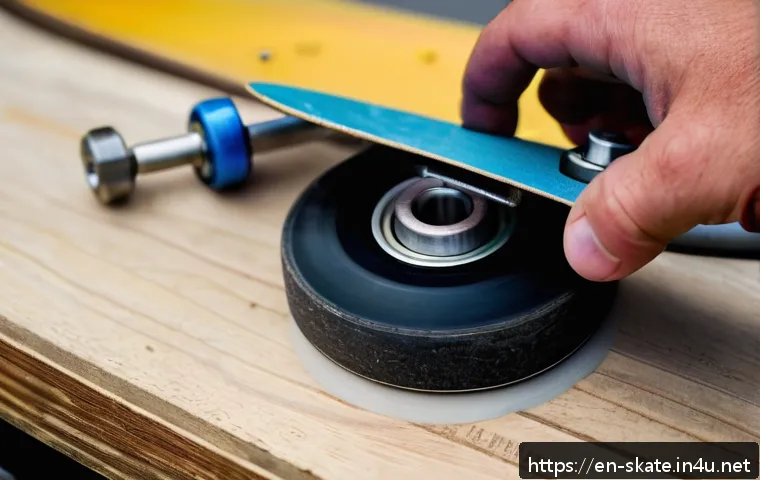
I learned the hard way that tossing bearings into harsh chemicals or soaking them too long can ruin the grease and the metal inside. The best cleaning method I found involves removing the bearings from your wheels, taking off the shields carefully with a small pin, and soaking them in isopropyl alcohol or a dedicated bearing cleaner.
Let them sit for about 10 minutes, then gently shake the container to loosen debris. After that, I dry them thoroughly with a microfiber cloth and let them air dry for at least an hour.
This process keeps the bearings fresh without stripping away their necessary lubrication completely.
Common Mistakes to Avoid During Cleaning
One mistake I often saw beginners make was using water to clean bearings. Water causes rust and corrodes the metal over time, which kills the smooth spin.
Another pitfall is neglecting to dry bearings completely before re-lubricating. Any leftover moisture can cause squeaking and slow down your ride. Also, avoid over-lubricating; too much oil attracts dirt and grime, which clogs up the bearings.
I usually apply a few drops of high-quality bearing lubricant after cleaning, spin the bearings by hand to spread it evenly, and then wipe off any excess.
This keeps the bearings in perfect shape for longer rides.
Lubrication Tips for Maximum Speed and Longevity
Choosing the Right Lubricant for Your Bearings
I’ve tried everything from WD-40 to specialized skate lubricants, and trust me, not all oils are created equal. WD-40 is more of a cleaner than a lubricant, so while it can free up rusty bearings temporarily, it doesn’t protect them long term.
I recommend using a thin, high-quality bearing oil designed for skateboards or even sewing machine oil if you’re in a pinch. These oils reduce friction without attracting too much dirt.
After applying lubricant, spinning the wheels by hand to spread the oil makes a noticeable difference in smoothness.
How Often Should You Lubricate? My Personal Routine
Frequency depends on how much and where you skate. For casual riders like me, lubricating bearings every couple of weeks works well, especially if you’re skating outdoors where dust and dirt are abundant.
For daily skaters or those who ride in rough conditions, weekly maintenance is ideal. I’ve noticed that skipping lubrication for too long makes the wheels feel sluggish and noisy.
Keeping a small bottle of bearing oil in your skate bag has saved me on several occasions when my wheels suddenly felt sticky during a session.
Detecting and Fixing Bearing Issues Early
Signs Your Bearings Need Attention
If you ever hear a persistent squeaking or grinding noise when rolling, that’s a clear warning sign your bearings need some TLC. Another red flag is when your wheels don’t spin freely or stop abruptly.
I remember a time when my wheels started dragging, and I thought it was just dirt. After cleaning and lubricating, they spun like new again. Sometimes, you might feel a rough texture or slight resistance when spinning the wheel by hand, which usually means dirt or rust has set in.
Catching these signs early saves you from replacing bearings too often.
When to Replace Bearings Instead of Repairing
Not all bearing problems can be fixed with cleaning and lubrication. If you notice excessive play inside the bearing, visible rust, or if the balls inside the bearing are cracked or missing, it’s time to replace them.
I learned this after trying to save a damaged set for months—it was more frustrating than helpful. Investing in a new set is worth it because worn-out bearings can affect your balance and increase the risk of accidents.
Always keep spare bearings handy if you’re serious about skating regularly.
Proper Storage and Handling for Longer Bearing Life
How to Store Bearings When Not in Use
I used to leave my skateboard in the garage where it was exposed to dust and moisture, which quickly degraded my bearings. Now, I store my skateboard indoors in a dry, cool place, ideally in a sealed container or bag.
If you remove the bearings for long-term storage, keep them in a small airtight container with a drop of oil to prevent rust. Proper storage prevents corrosion and keeps your bearings ready to roll whenever you are.
Handling Tips to Avoid Unnecessary Damage
When swapping out bearings or wheels, I always make sure to use the right tools and avoid forcing the bearings in or out. Using a skate tool with a bearing puller helps prevent bending or damaging the bearing races.
Also, try not to drop your skateboard or wheels on hard surfaces, as impacts can misalign or crack the bearings. Taking a little extra care during handling goes a long way in extending their lifespan.
Quick Reference: Bearing Maintenance Checklist
| Task | Recommended Frequency | Key Tips |
|---|---|---|
| Cleaning Bearings | Every 2-4 weeks (more if skating daily) | Use isopropyl alcohol; avoid water; dry completely |
| Lubricating Bearings | After every cleaning or when wheels feel slow | Use thin bearing oil; avoid over-lubricating |
| Checking for Damage | Monthly or when noise/dragging occurs | Look for rust, cracks, or excessive play |
| Storage | Whenever not skating for extended periods | Store in dry place; use airtight container if removed |
| Handling | Always during maintenance | Use proper tools; avoid impact damage |
Wrapping Up
Choosing the right skateboard bearings and maintaining them properly can make a huge difference in your ride’s smoothness and longevity. From selecting the right material to cleaning and lubricating regularly, these steps ensure your wheels perform at their best. Remember, consistent care not only saves money but also enhances your overall skating experience. Keep an eye on your bearings, and they’ll keep you rolling effortlessly.
Helpful Tips to Remember
1. Always choose bearings that fit your skating style and budget—ceramic for performance, steel for durability and affordability.
2. Decide between sealed or open bearings based on your environment and how much maintenance you’re willing to do.
3. Clean your bearings with isopropyl alcohol, avoid water, and make sure they’re completely dry before lubricating.
4. Use high-quality, thin bearing oil rather than general-purpose sprays like WD-40 to maintain smooth spins without attracting dirt.
5. Store your skateboard and bearings in a dry, cool place and handle them carefully to prevent unnecessary damage.
Key Takeaways for Bearing Care
Proper bearing maintenance is essential for safety and performance. Regular cleaning and lubrication prevent wear and tear, while timely replacement avoids accidents caused by damaged parts. Using the right tools and storing your bearings correctly extends their lifespan significantly. Prioritizing these habits will keep your skateboard rolling smoothly and reliably for every session.
Frequently Asked Questions (FAQ) 📖
Q: uestions about Skateboard BearingsQ1: How often should I clean and lubricate my skateboard bearings?
A: From my experience, cleaning and lubricating your bearings every 3 to 6 months keeps them performing at their best, especially if you skate regularly or in dusty environments.
If you notice your wheels slowing down or hear squeaking, it’s a clear sign they need some attention. Regular maintenance prevents dirt buildup and rust, extending the life of your bearings and ensuring a smoother, faster ride.
Q: What’s the best way to clean skateboard bearings without damaging them?
A: I’ve found that removing the bearings carefully and soaking them in a gentle solvent like isopropyl alcohol works wonders. Avoid using water or harsh chemicals since moisture can cause rust.
After soaking, let them dry completely before applying a few drops of high-quality bearing lubricant. This process removes grime without harming the precision parts inside, giving your wheels that effortless spin again.
Q: Can upgrading my bearings really make a noticeable difference in my skating?
A: Absolutely! Upgrading to higher-quality bearings with better materials or precision ratings can noticeably improve your ride. When I switched to premium ceramic bearings, I felt smoother acceleration and longer-lasting speed, especially on longer rides.
While it won’t turn you into a pro overnight, better bearings reduce friction and can make tricks feel cleaner and cruising more enjoyable.