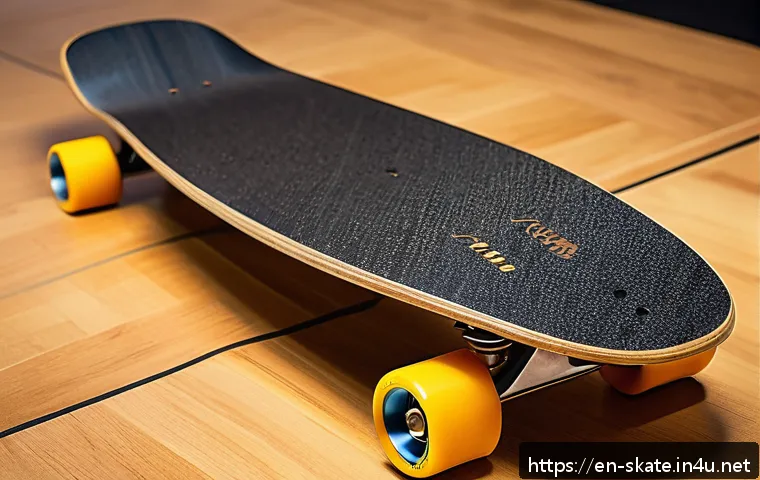
Skateboarding has been buzzing more than ever this season, with riders pushing boundaries and styles evolving at lightning speed. Whether you’re a seasoned pro or just starting out, choosing the right skateboard can make all the difference in your performance and enjoyment.

Lately, we’ve seen some standout models gaining serious traction among the skate community, praised for their durability, design, and ride quality. In this post, I’m excited to share the top skateboards that every rider swears by right now—boards that have earned their reputation through real-world use and rave reviews.
Stick around if you want to find your next perfect deck and elevate your skate game!
Finding Your Ride: How Deck Shape and Size Impact Your Skateboarding
Understanding Deck Width and Its Effect on Stability
Choosing the right deck width is a game changer for any skateboarder. From my own experience, wider decks—around 8.25 inches and up—offer more stability, which is perfect for cruising or learning tricks that require a solid footing.
On the other hand, narrower decks, usually around 7.75 to 8.0 inches, feel more responsive and are favored by street skaters who need quick flicks and tight maneuvers.
I remember switching from a narrow to a wider deck and immediately noticed how much more confidence I had landing ollies and manuals. It’s all about matching your style and comfort to the size that fits your feet and skating terrain.
Exploring Deck Concave and Its Role in Trick Control
Concave refers to the curve across the width of the deck, and it’s subtle but crucial. A deeper concave grips your feet better, giving you more control during flip tricks and slides, while a mellow concave feels more comfortable for cruising and carving.
I personally prefer a medium concave because it strikes a good balance—enough grip for technical tricks but not too aggressive to tire out your feet during long sessions.
When I tried a super deep concave board, it felt like my feet were glued, but after a while, it became a bit uncomfortable, especially when skating for hours.
How Length and Wheelbase Influence Your Ride
The length and wheelbase (distance between the trucks) determine how your board handles. Longer boards with longer wheelbases provide a smoother ride and better stability at high speeds—ideal for downhill and transition skating.
Shorter boards respond faster and are easier to spin, which is why street skaters often go for boards around 28 inches long with a shorter wheelbase. I once borrowed a longer board for a day and was surprised how much easier it was to maintain balance going fast but how sluggish it felt for tricks requiring quick turns.
Material Matters: Deck Construction and Durability
Traditional Maple vs. Alternative Materials
Most decks are made from 7-ply maple wood, known for its strength and flex. From my time skating, maple decks tend to last longer and offer a consistent pop, which is why they’re the gold standard.
However, some newer boards use bamboo or carbon fiber layers to reduce weight and increase durability. I tested a bamboo deck recently, and it felt surprisingly springy and lightweight, but it lacked the same “snap” as my trusty maple board.
It’s a trade-off that depends on what you prioritize—weight, durability, or pop.
Impact of Deck Pressing Techniques
How the layers are pressed together also affects performance. High-quality presses ensure the deck stays flat and won’t warp over time. I’ve seen cheaper boards warp after a few weeks, which ruins the ride and makes tricks inconsistent.
Investing in a board from a reputable brand with solid pressing techniques means you get a deck that maintains its shape even after heavy use. That’s something I’ve learned after going through a few decks that just didn’t hold up.
Protective Coatings and Graphics: Function Meets Style
While most skaters choose decks based on performance, a good protective coating can extend the lifespan by preventing water damage and scratches. I usually look for decks with a clear coat finish because it keeps the graphic vibrant and the wood protected.
Plus, a sick graphic always adds to the vibe, and trust me, skating a deck that looks good boosts your confidence. Some brands even offer custom graphics or collaborations with artists, which can make your board a unique statement piece.
Top Trucks for Stability and Precision
Choosing the Right Truck Width
Matching your trucks’ width to your deck is crucial for balanced turning and stability. Trucks that are too wide or too narrow can cause awkward turns or less control.
I once used trucks that were slightly wider than my deck, and it felt like my board was fighting me during turns. Getting the right fit means smoother carves and better control, which is especially noticeable when skating ramps or bowls.
Materials and Build Quality
Aluminum trucks are the standard for most skaters due to their durability and light weight. Some high-end trucks use titanium or hollow axles to shave off weight without sacrificing strength.
I upgraded to hollow kingpin trucks a while back, and the difference was noticeable—not just in weight but also in how responsive the board felt. However, they come at a premium price, so it’s worth considering your budget and skating style before splurging.
Adjusting Trucks for Personalized Ride
One of the underrated aspects is tuning your trucks’ tightness. Looser trucks make turning easier but can feel unstable at speed, while tighter trucks provide stability but restrict sharp turns.
I usually keep mine moderately tight for a good balance because I like cruising fast but also want to hit some street tricks without my board wobbling out from under me.
It’s a simple adjustment that can transform your riding experience.
Wheels: Finding the Sweet Spot Between Speed and Grip
Choosing Wheel Hardness for Your Terrain
Wheel hardness is measured by durometer, and it dramatically affects your ride. Softer wheels (78A-87A) grip better and absorb cracks and bumps, making them ideal for rough streets or cruising.
Harder wheels (88A-101A+) are faster and slide easier, preferred for smooth skateparks or technical street skating. I’ve switched between both depending on where I skate—softer wheels for city streets and harder ones for park days.
The difference is night and day in terms of comfort and performance.
Diameter and Its Impact on Speed and Control
Larger wheels (54mm and up) roll faster and handle rough surfaces better but can make technical tricks a bit harder due to the higher center of gravity.
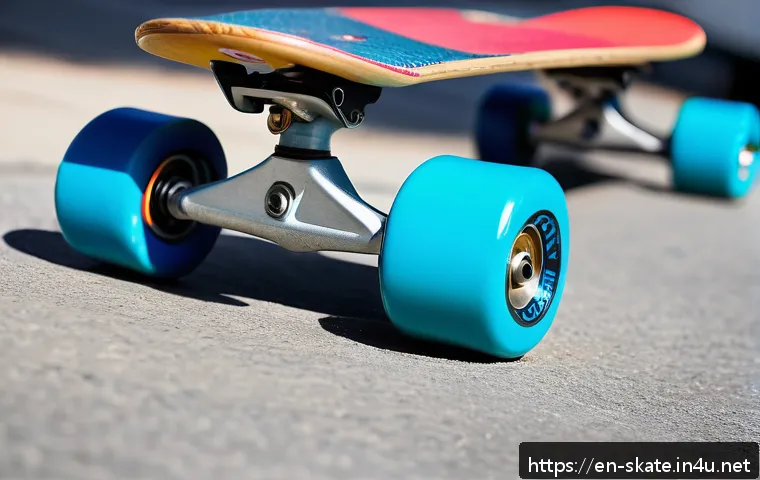
Smaller wheels (50-53mm) are lighter and perfect for flip tricks and street skating. I personally ride with 52mm wheels because they offer a good blend of control and speed for most street spots I frequent.
When I tried bigger wheels, I noticed more speed but less nimbleness.
Wheel Shape: Rounded vs. Square Edges
Wheel edges affect how your board interacts with surfaces. Rounded edges slide smoothly and are forgiving during slides, while square edges grip more for stability but can catch unexpectedly.
I found that rounded edges are great when learning slides or powerslides, as they’re more predictable. Once I got more comfortable, I switched to square edges for tighter grip during technical tricks.
Griptape Choices: Comfort and Control Underfoot
Standard vs. Clear Griptape
Standard black griptape is the most common and provides great traction, but clear griptape lets you show off your deck’s graphics. I tried clear griptape once to preserve the look of my deck and was surprised it still offered solid grip, though it wore out faster.
For everyday skating, I stick with standard griptape because it lasts longer and feels more reliable.
Coarseness and Texture Options
Griptape comes in various grit levels. Coarser grit offers stronger grip but can wear down shoes faster and be harsh on your feet during manuals. Finer grit is gentler and better for long sessions.
From personal experience, a medium grit is the sweet spot—enough grip to stay in control without sacrificing comfort. I’ve seen skaters customize their grip by mixing different grits for specific zones on their board.
Custom Designs and Cutouts
Some skaters personalize their boards with cutouts or colored griptape, which can add flair and even improve performance by reducing weight slightly. I once added a small cutout near the tail to make flicking easier, and it actually helped with technical tricks.
Plus, having a unique griptape design always draws compliments and adds personality to your setup.
Essential Accessories to Complete Your Setup
Bearings: Speed and Smoothness Matters
Bearings are often overlooked but hugely impact your ride. High-quality bearings spin faster and last longer, giving you smoother rides and better control.
I upgraded to ceramic bearings and noticed less friction and more consistent speed during long sessions. It’s a small investment that pays off, especially if you skate frequently.
Hardware and Maintenance Tips
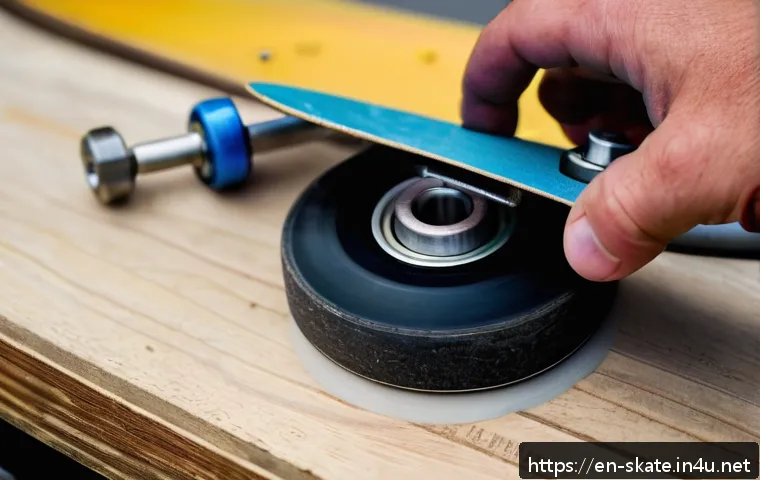
Keeping your bolts and nuts tight is essential to prevent loose parts and potential accidents. I always carry a multi-tool to adjust trucks, tighten hardware, and replace worn components on the fly.
Regular maintenance extends the life of your board and keeps your ride safe and smooth. Learning these simple upkeep steps has saved me from many unexpected falls.
Protective Gear: Skating Smart
No setup is complete without the right protective gear. Helmets, wrist guards, and knee pads don’t just protect you—they boost confidence to push harder and try new tricks.
I was hesitant at first but realized that wearing gear allowed me to skate longer and recover faster from falls. It’s a must-have, especially if you’re stepping up your game.
| Component | Recommended Options | Key Benefits | Personal Notes |
|---|---|---|---|
| Deck Width | 7.75″ – 8.5″ | Stability vs. maneuverability | Wider for cruising, narrower for street tricks |
| Material | 7-ply maple, bamboo, carbon fiber | Durability and pop | Maple offers best pop; bamboo lighter but less snap |
| Trucks | Aluminum, hollow kingpin | Balance between weight and strength | Hollow kingpin feels more responsive |
| Wheels | 50mm – 60mm, 78A – 101A | Speed, grip, and surface adaptation | Smaller/harder for tricks, larger/softer for cruising |
| Griptape | Standard black, clear, mixed grit | Traction and style | Medium grit best for balance of grip and comfort |
| Bearings | Ceramic, steel | Smoothness and speed | Ceramic bearings spin longer and faster |
Wrapping Up
Choosing the right skateboard components can transform your ride from good to great. Whether it’s deck size, materials, or wheels, matching your setup to your style makes all the difference. From my own trials, finding the perfect balance between comfort, control, and performance is key to enjoying every session. Remember, your board is an extension of yourself—treat it well and it will take you far.
Useful Tips to Keep in Mind
1. Always consider your skating style when selecting deck width; wider boards suit cruising, while narrower ones excel for technical street tricks.
2. Pay attention to wheel hardness and size depending on where you skate—softer wheels for rough terrain, harder wheels for smooth parks.
3. Don’t underestimate the importance of proper truck sizing and tuning; the right fit and adjustment can vastly improve control and stability.
4. Regular maintenance of bearings and hardware keeps your skateboard performing at its best and prevents unexpected breakdowns.
5. Protective gear not only safeguards you but also boosts confidence, helping you push your limits safely.
Key Takeaways
Matching your skateboard’s deck shape and size to your personal preferences and terrain is essential for comfort and control. Investing in quality materials and components ensures durability and better performance over time. Adjusting trucks and choosing the right wheels tailored to your environment enhances your ride’s responsiveness and stability. Finally, maintaining your gear and wearing protective equipment are crucial for a safe and enjoyable skating experience.
Frequently Asked Questions (FAQ) 📖
Q: uestionsQ1: What should I consider when choosing a skateboard for my skill level?
A: When selecting a skateboard, your skill level plays a huge role. For beginners, it’s best to go with a wider deck (around 8 inches or more) for better stability and easier balance.
Softer wheels help with smoother rides on rough surfaces, which is great when you’re still getting comfortable. Advanced riders often prefer narrower decks for technical tricks and harder wheels for better speed and slide control.
From my experience, trying out a few different setups at a local skate shop can really help you feel what suits your style best before making a purchase.
Q: How important is durability in a skateboard, and which brands are known for it?
A: Durability is crucial if you’re skating frequently or attempting tricks that put a lot of stress on your board. A durable skateboard means fewer replacements and a better overall experience.
Brands like Element, Baker, and Santa Cruz are known for their high-quality maple wood decks that can withstand heavy use without chipping or snapping easily.
I’ve personally ridden Element boards for over a year, and even after countless tricks and drops, they held up impressively well. Investing in a durable board might cost a bit more upfront but saves you money and hassle in the long run.
Q: Are there specific skateboard designs or features that enhance ride quality?
A: Absolutely. The shape and concave of a skateboard deck greatly affect ride comfort and control. A deeper concave helps lock your feet in place for better grip during tricks, while a mellow concave offers a smoother ride, ideal for cruising or longboarding.
Also, the wheel size and hardness influence how the board handles different terrains—larger, softer wheels glide smoothly over cracks and rough surfaces, while smaller, harder wheels are better for technical street skating.
From my own skate sessions, I found that customizing these features to your preferred riding style can make a noticeable difference in both performance and enjoyment.