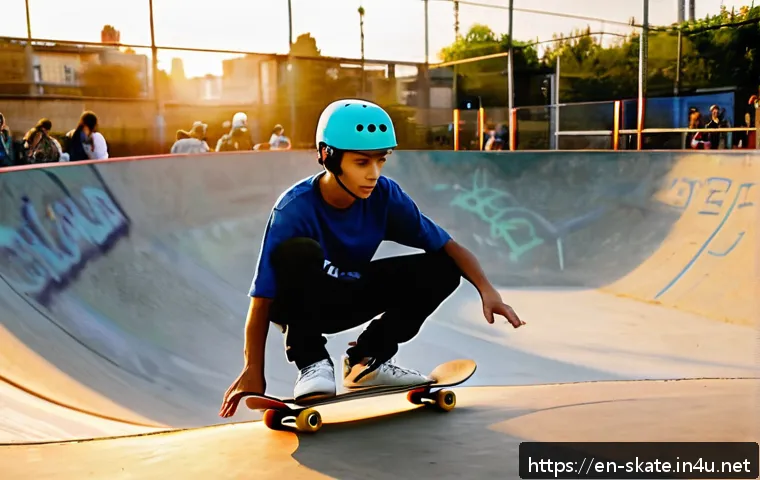
Skateboarding has seen a surge in popularity lately, with new riders hitting the streets and parks every day. Whether you’re just starting out or looking to sharpen your skills, mastering the essential tricks is key to progressing confidently and safely.
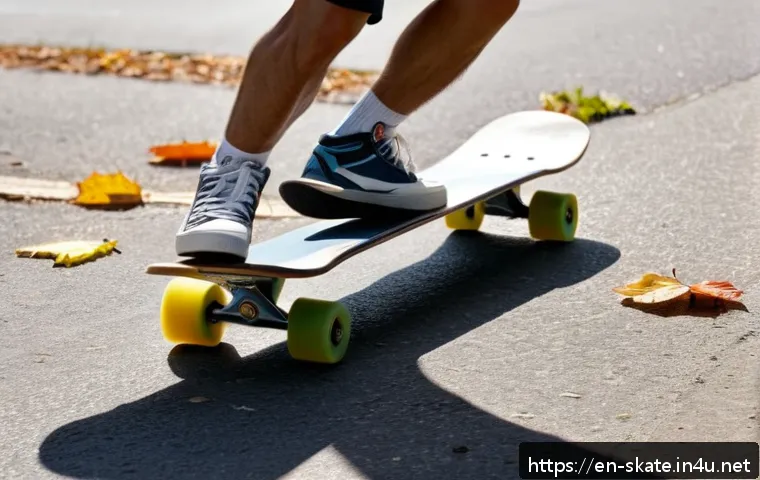
From ollies to kickflips, these foundational moves open the door to endless creativity on your board. In this post, I’ll share tips and insights that helped me level up quickly, making your skateboarding journey smoother and way more fun.
Ready to roll? Let’s dive into the must-know tricks that every rider should have under their belt.
Getting Comfortable with the Board
Finding Your Balance and Stance
Before diving into tricks, it’s crucial to get familiar with your skateboard and find your natural stance—regular or goofy. Spend time just rolling around, feeling how the board moves under your feet.
I remember when I first started, I’d wobble a lot until I realized that standing a little wider gave me much better control. Try shifting your weight slightly forward and backward to see how it affects your speed and balance.
This simple practice builds the confidence you need to tackle more technical moves without hesitation.
Mastering the Push and Roll
Pushing off smoothly is more than just stepping on the board; it’s about rhythm and flow. When I was learning, I noticed that beginners often push too hard or too soft, which throws off balance.
Aim for steady, controlled pushes with your back foot while keeping your front foot firmly planted. Also, practice rolling on different surfaces—smooth pavement, slightly rough concrete, or even a skatepark floor—to get comfortable with how your board responds.
The more you roll, the more natural it feels to keep your momentum steady, which is essential for landing tricks later on.
Stopping Without Fear
Stopping confidently can save you from nasty falls. Foot braking is the easiest method to start with—just drag your back foot lightly on the ground to slow down.
When I first learned this, I made the mistake of trying to stop too abruptly, which caused me to lose balance. Instead, think of it like easing on the brakes in a car—gradually slowing down is smoother and safer.
Once you get comfortable, you can explore other stopping techniques like the tail stop or powerslide, but mastering foot braking early on keeps you in control everywhere you skate.
Unlocking the Power of Ollies
Why the Ollie is the Game Changer
The ollie is the foundation for almost every trick you’ll want to learn. It’s basically a jump with your board, allowing you to clear obstacles and perform flips.
When I nailed my first ollie, it felt like unlocking a new level in the game of skateboarding. The key is timing your pop and slide of the front foot just right.
Many beginners try to jump too high without popping the tail, which leads to sloppy landings. Practice popping the tail hard while sliding your front foot up, and you’ll see your board lift off smoothly.
Common Ollie Mistakes and Fixes
One tricky part of learning ollies is getting the board to stay glued to your feet midair. I struggled with this at first, often kicking the board out or landing off balance.
A helpful tip is to keep your shoulders aligned with your board and keep your knees bent for a soft landing. Also, focus on snapping the tail down sharply and dragging your front foot quickly but smoothly.
This combo helps the board stick with you and not fly away. Record yourself or skate with friends who can give feedback—it’s amazing how little adjustments make a big difference.
Progressing Beyond the Basic Ollie
Once you’re comfortable popping ollies on flat ground, start trying them over small obstacles like curbs or cracks. This helps build confidence and control in different environments.
I remember feeling nervous the first time I ollied over a park bench, but breaking it down step-by-step made it manageable. Try to visualize the trick before you do it, and stay relaxed.
Adding height and distance to your ollies opens the door to tricks like ollie 180s and kickflips, so don’t rush—master the basics first.
Finding Your Rhythm with Flip Tricks
Getting to Know the Kickflip
The kickflip is one of the coolest tricks and a natural next step after mastering ollies. It involves flicking your front foot off the edge of the board to make it spin horizontally.
I won’t lie, it took me a while to get the flick just right without catching the board or missing the landing. The trick is in the timing and the angle of your flick.
Start by practicing the flick motion while standing still, then try it while rolling slowly. The more you practice the foot flick, the smoother the board spins.
How to Avoid Common Kickflip Fails
Many skaters struggle with kickflips because they either flick too hard or not enough, causing the board to over-rotate or not flip completely. When I was learning, I’d often land with one foot off the board or catch the edge and bail.
To fix this, focus on flicking with the side of your shoe’s toe area, not the tip. Also, keep your feet close to the board and ready to catch it as it completes the flip.
Patience is key here—rushing leads to sloppy attempts, but steady practice helps your muscle memory lock in.
Combining Kickflips with Other Tricks
After you’ve got kickflips down, you can start mixing them with spins and grabs for more advanced combos. For example, combining a kickflip with a 180 spin adds style and difficulty.
I found that breaking combos into smaller parts helped me get them right instead of trying the full trick all at once. Also, skating with friends who already know these combos pushed me to progress faster.
Remember, it’s about layering your skills gradually—each new trick builds on what you’ve already mastered.
Building Confidence on Ramps and Rails
Approaching Transitions Smoothly
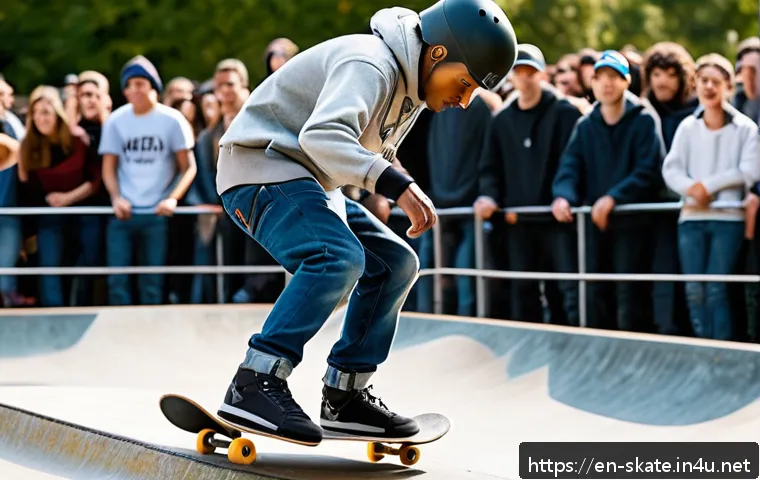
Skating ramps and bowls can be intimidating at first, but once you get the feel, it’s incredibly rewarding. I learned that the secret is maintaining steady speed and a relaxed stance as you approach the transition.
Too fast or too stiff, and you risk wiping out. Start on smaller ramps to get comfortable with the curved surface, focusing on bending your knees to absorb the transition.
It’s almost like surfing concrete waves—once you find your flow, you’ll want to keep riding.
Grinding Basics for Beginners
Grinding rails and ledges is where skateboarding feels like a whole new world. I’ll admit, my first grind was nerve-wracking, but breaking it down made it manageable.
Start by practicing your ollies onto flat ledges before moving to rails. Once you’re confident, approach the rail with a controlled speed and ollie just enough to land your trucks on the edge.
Balancing during the grind takes practice, so keep your eyes on the landing spot and lean slightly forward. Falling is part of the learning process—wear pads and take it slow.
Safety Tips for Park Sessions
Skateparks are awesome, but they can get crowded and unpredictable. From my experience, always start your session by warming up with easy rolls and small tricks to avoid muscle strains.
Keep an eye on other skaters and communicate when you’re about to drop in. Wearing a helmet and wrist guards is a must, especially when trying new tricks on ramps and rails.
Respecting the park etiquette not only keeps you safe but also makes the environment welcoming for everyone.
Understanding Your Skateboard Setup
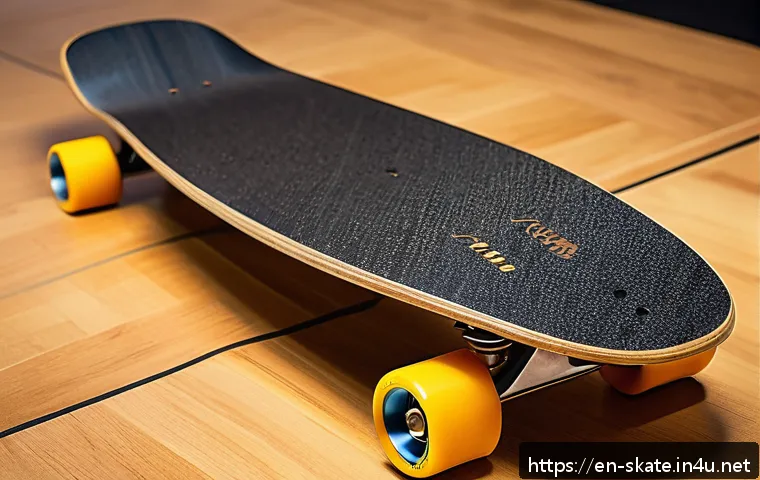
Choosing the Right Deck Size and Shape
Your board setup hugely impacts how you skate. When I was buying my first deck, I didn’t realize that width and concave shape make a big difference for tricks versus cruising.
Narrower decks (7.5” to 8”) are great for technical tricks because they’re lighter and easier to flip. Wider decks (8” and up) offer more stability, perfect for ramps and cruising.
Experimenting with different sizes helped me find what felt most natural, so don’t hesitate to try a few before settling.
Picking the Perfect Wheels and Trucks
Wheels come in different hardness and sizes, affecting speed and grip. Softer wheels (78A-87A) are better for rough surfaces and cruising, while harder wheels (88A-101A) suit smooth skateparks and street tricks.
Trucks should match your deck width and feel tight enough to control but loose enough to turn comfortably. I learned the hard way that loose trucks without proper bushings cause wobbly rides, so adjusting these little parts improved my stability and confidence on the board.
Maintaining Your Gear for Longevity
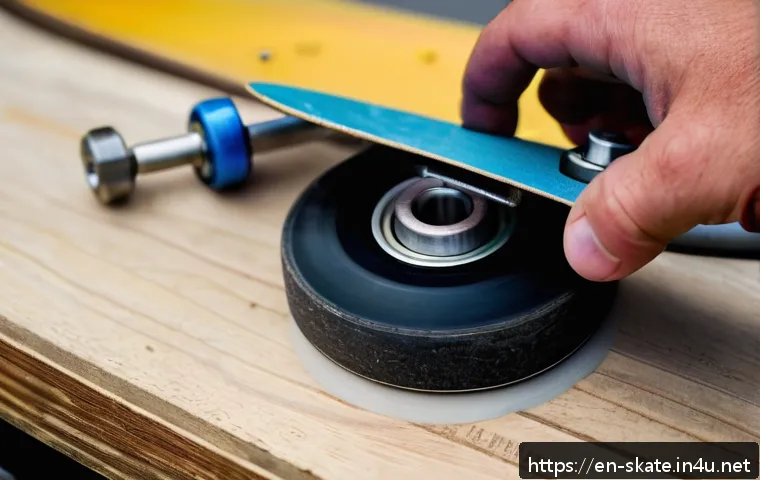
Keeping your skateboard in good shape makes skating smoother and safer. After a few weeks, bearings might get dirty, trucks can loosen, and grip tape wears down.
I started cleaning my bearings with alcohol and lubing them, which made my rides noticeably faster. Regularly tightening bolts and replacing worn grip tape also helped prevent slips and accidents.
Treat your board like a trusted companion—it’ll pay off with better performance and fewer unexpected fails.
Skateboarding Progress Tracker
| Skill | Focus Area | Common Challenges | Tips to Improve |
|---|---|---|---|
| Balance and Stance | Foot placement and weight distribution | Wobbling, uncertain footing | Practice rolling and shifting weight gently |
| Ollie | Timing pop and slide | Board flying away, low height | Snap tail sharply and drag front foot smoothly |
| Kickflip | Flick technique and foot positioning | Over/under rotation, missed catch | Flick with side toe, keep feet close for catch |
| Grinding | Approach angle and balance | Falling off rail, speed control | Start slow, focus eyes on landing |
| Ramp Riding | Speed and knee bend | Fear of transitions, stiff posture | Maintain steady speed, relax knees |
Wrapping Up
Skateboarding is a journey that rewards patience and persistence. From finding your balance to mastering tricks, every step builds your confidence and skill. Remember, every fall is just a lesson in disguise, and progress comes with consistent practice. Embrace the process and enjoy the thrill of pushing your limits on the board.
Helpful Tips to Keep in Mind
1. Always start with the basics—getting comfortable with your stance and balance sets a strong foundation for all tricks.
2. Practice stopping techniques early to stay safe and in control, especially when skating in busy or unfamiliar spots.
3. Film your sessions or skate with friends who can offer constructive feedback to spot small errors and improvements.
4. Invest time in maintaining your skateboard gear; a well-kept board performs better and lasts longer.
5. When learning new tricks, break them down into manageable steps and gradually combine them for smoother progression.
Key Takeaways
Consistent practice and proper technique are essential for skateboarding success. Focus on balance, timing, and controlled movements before attempting advanced tricks. Safety gear and awareness of your surroundings significantly reduce injury risk. Remember to customize your skateboard setup to suit your style and terrain, and never hesitate to ask for advice or guidance. Ultimately, skateboarding is about having fun while challenging yourself to grow.
Frequently Asked Questions (FAQ) 📖
Q: uestions about Essential Skateboarding TricksQ1: What’s the best way to learn the ollie for beginners?
A: When I first tackled the ollie, breaking it down into smaller steps really helped. Start by practicing your foot placement—front foot near the middle and back foot on the tail.
Then, focus on snapping the tail down while sliding your front foot up to level the board in mid-air. It might feel awkward at first, but consistent practice on flat ground is key.
Also, watching slow-motion videos can give you a better sense of the timing. Don’t rush; mastering the ollie sets the foundation for almost every other trick.
Q: How can I avoid common injuries while learning new tricks?
A: Safety should always come first. From my experience, wearing protective gear like a helmet, wrist guards, and knee pads made a huge difference—not just physically but also mentally.
Knowing you’re protected gave me the confidence to push my limits without fear. Also, warming up before skating helps prevent strains. Start slow with each new trick, and don’t hesitate to take breaks if you feel fatigued.
Remember, falling is part of the process, but minimizing injuries keeps you rolling longer.
Q: How long does it typically take to master basic tricks like kickflips?
A: Honestly, it varies a lot depending on how often you practice and your natural coordination. When I learned kickflips, it took me a few weeks of daily attempts, sometimes frustratingly failing dozens of times a day.
But the key was persistence and breaking the trick into parts: popping the board, flicking with the front foot, and landing cleanly. If you can skate regularly and focus on each component, you might see progress within a month.
Just remember, everyone’s timeline is different, so enjoy the journey!