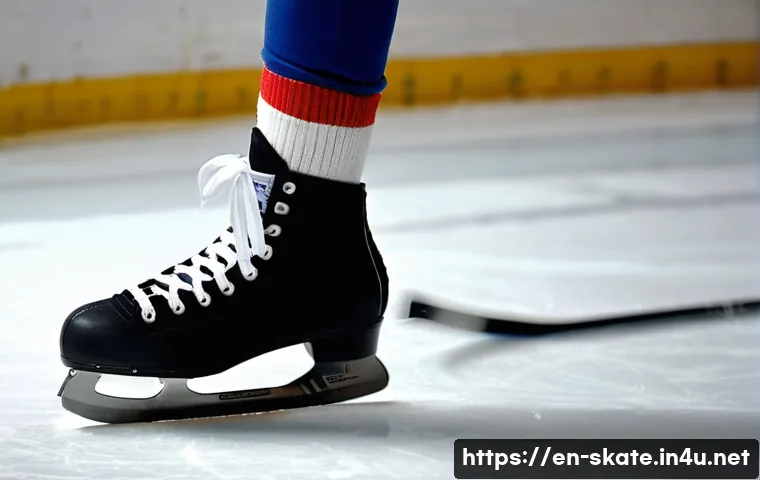
Lacing up skates might seem straightforward, but getting it just right can make all the difference in comfort and performance. Whether you’re hitting the ice for the first time or gearing up for a serious skate session, knowing how to properly wear your skates is key to avoiding blisters and ensuring stability.
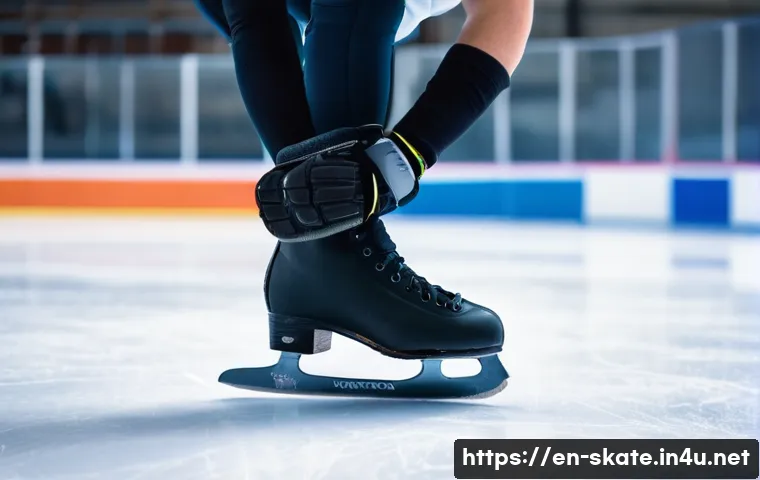
I’ve learned through experience that a snug, secure fit not only boosts confidence but also enhances your overall skating experience. From choosing the right size to tightening the laces in the right spots, small details matter more than you might think.
Ready to step onto the ice with confidence? Let’s dive into the step-by-step guide to wearing skates properly!
Finding the Perfect Skate Size and Fit
Understanding Your Foot Shape
Everyone’s feet are unique, and that means no one-size-fits-all approach works for skates. When I first started skating, I realized that knowing whether my feet were narrow, wide, or somewhere in between made a huge difference.
Skates that are too wide cause your foot to slide around, leading to blisters, while skates that are too tight can cut off circulation and cause pain.
I recommend standing on a piece of paper and tracing your foot to get a sense of your width and length before even shopping. Some skate brands cater to different foot shapes, so keep that in mind when browsing.
Trying On Skates with Proper Socks
I can’t stress this enough: always wear the socks you plan to skate in when trying on skates. Thin cotton socks might feel comfortable off the ice but won’t provide enough cushioning during actual skating.
On the other hand, thick wool socks might make a skate feel too tight initially but offer better insulation and padding. When I tried skates on with the right socks, the fit felt much more natural.
Also, lace up the skates fully before deciding if they feel right; a loosely laced skate can be deceiving.
Recognizing a Good Fit
A good skate fit feels snug but never painfully tight. When I put on my skates, my toes lightly brush the front but don’t crumple or bend painfully. My heel stays locked in place without lifting when I walk or flex my ankle.
One trick I learned is to stand up straight and slightly bend my knees, mimicking a skating stance. If the skate still feels secure and comfortable, you’re on the right track.
Remember, skates will break in over time but shouldn’t require extreme discomfort to start.
Mastering the Lacing Technique for Stability
Starting with the Right Tightness
When lacing up, it’s tempting to pull the laces as tight as possible right away, but that often backfires. I found it best to start by snugging the laces at the toes and midfoot, ensuring the skate holds my foot firmly without pinching.
This initial tension sets a stable foundation. Skates have multiple eyelets or hooks, and each area supports a different part of your foot, so adjusting tightness step-by-step is crucial.
You want your foot to feel supported but not restricted.
Adjusting Around the Ankle
The ankle area is where many skaters struggle with comfort. Too loose, and you lose stability; too tight, and you risk painful pressure points. I like to lace up to the ankle hooks, then gently tighten these last few loops to lock my heel in place.
Sometimes, leaving the top hooks a little looser can prevent pinching without sacrificing support. It’s a balance that comes with practice. If you have ankle sensitivity, consider using gel pads or customized insoles for extra cushioning.
Double Knot and Lace Management
Nothing’s more frustrating than your laces coming undone mid-skate. After tightening your skates properly, I always double knot the laces. This small step saves you from having to stop repeatedly to retie.
Some skaters prefer using lace locks or elastic laces for convenience, especially beginners. I’ve tried those too, and while they’re handy, nothing beats the security of a properly tied double knot for longer sessions.
Breaking In Your Skates Without Pain
Gradual Wear and Movement
New skates can feel stiff and unforgiving at first. I learned that rushing into long skating sessions with brand-new boots can lead to blisters and soreness.
Instead, start by wearing your skates around the house or during short practice sessions. This gradual break-in period lets the boot mold to your foot shape naturally.
Walking in them on carpet or soft surfaces helps loosen the material gently without straining your feet.
Using Heat Molding When Possible
Many modern skates offer heat molding options, which I’ve found incredibly helpful. By heating the boots in a specialized oven or with a heat gun (following manufacturer instructions), the plastic softens and conforms to your foot contours better.
I had my skates heat molded professionally, and the difference was night and day — the fit became much more personalized and comfortable. Always be cautious and follow guidance because overheating can damage the boots.
Managing Discomfort and Preventing Blisters
Despite best efforts, some discomfort is inevitable during break-in. I rely on blister prevention techniques like applying anti-friction balm to hotspots or wearing blister-specific pads inside the skates.
If you feel a pinch or pressure point, don’t ignore it; adjust your laces or add padding immediately. Listening to your feet and making small tweaks early on prevents bigger issues down the line and keeps your skating sessions enjoyable.
Optimizing Lacing for Different Activities
Casual Skating vs. Competitive Play
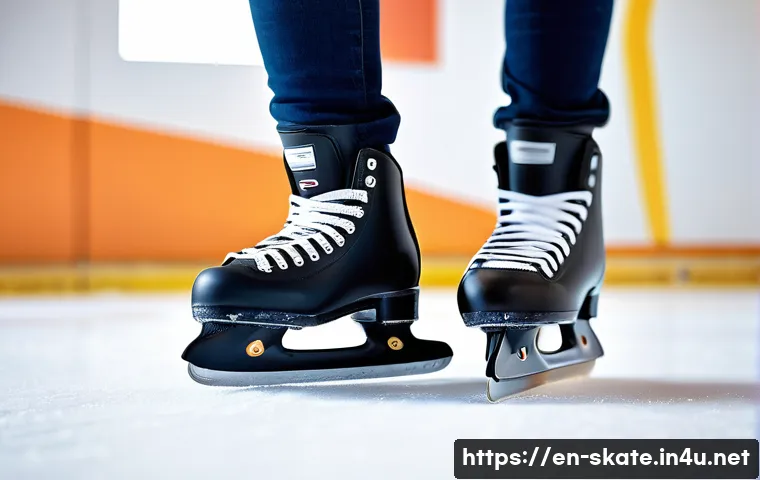
Lacing needs vary depending on what you’re doing on the ice. For casual skating or recreational use, a slightly more relaxed fit can increase comfort and flexibility.
I usually leave the top eyelets a bit looser when cruising around. However, for competitive hockey or figure skating, I tighten every section to maximize ankle support and control.
This helps with quick turns and aggressive moves but requires a bit more tolerance for tightness.
Adjusting for Ice Conditions
Ice quality and temperature can also influence how tight your skates should be. On colder days when feet tend to swell less, you might want a snugger fit to maintain control.
On warmer days or softer ice, a bit more wiggle room can prevent overheating and discomfort. I learned to pay attention to how my feet feel during different rink conditions and adjust lacing accordingly to stay comfortable throughout the session.
Incorporating Accessories for Better Fit
Adding accessories like tongue pads, arch supports, or heel grips can transform how your skates fit. I’ve experimented with different inserts and found that they help fill gaps and stabilize the foot inside the boot.
Sometimes, even a small heel lift makes a huge difference in preventing heel slippage. These tweaks are especially useful if you have unique foot shapes or trouble spots that standard lacing can’t fully address.
Simple Skating Safety Tips Linked to Proper Fit
Why Fit Affects Injury Risk
I can’t emphasize enough how a poor skate fit can increase injury risk. Loose skates cause instability, making it easier to twist an ankle or lose balance.
Conversely, skates that are too tight can restrict blood flow and cause numbness, impairing your ability to react quickly. Properly fitted and laced skates provide the support you need to skate confidently and avoid falls or strains.
Maintaining Balance and Control
A snug skate fit directly translates to better balance on the ice. When your foot feels locked in place, you can transfer weight smoothly and respond to shifts with precision.
During my early skating days, I noticed that a well-laced boot made it easier to execute turns and stops without wobbling. This control is crucial not only for performance but also for preventing awkward falls that lead to bruises or sprains.
Regularly Checking Your Skates
To stay safe, it’s important to inspect your skates before every session. I make it a habit to check laces for wear, ensure the boots haven’t softened excessively, and confirm blades are sharp.
Worn-out laces or loose boots can undermine even the best fit. Keeping your equipment in good shape boosts confidence and keeps your skating smooth and injury-free.
Comparison of Common Lacing Styles and Their Benefits
| Lacing Style | Best For | Advantages | Potential Drawbacks |
|---|---|---|---|
| Traditional Criss-Cross | All-around skating | Simple, effective, easy to adjust | Can create pressure points if overtightened |
| Loop Lacing | Hockey players needing heel lock | Secures heel firmly, reduces slippage | Requires practice to master |
| Skip Lacing | Skaters with high insteps or pressure issues | Reduces pressure on sensitive areas | Less support in skipped sections |
| Lock Lacing | Figure skaters and aggressive players | Maximizes ankle support and stability | May feel restrictive for casual users |
Wrapping Up
Finding the right skate size and mastering your lacing technique are essential steps toward enjoying your time on the ice safely and comfortably. Remember, a proper fit not only boosts your performance but also helps prevent injuries. Take the time to break in your skates gradually and adjust your lacing based on your activity and foot shape. With a little patience and attention, you’ll experience a smoother, more confident skate every time.
Useful Tips to Keep in Mind
1. Always measure your feet and consider width before buying skates to avoid discomfort and blisters.
2. Wear the socks you plan to skate in when trying on skates for the most accurate fit.
3. Break in new skates gradually by wearing them at home or during short sessions to prevent soreness.
4. Adjust lacing tightness based on your skating style and ice conditions for optimal support and comfort.
5. Regularly inspect your skates and replace worn laces or sharpen blades to maintain safety and performance.
Key Takeaways for Skate Fit and Lacing
Proper skate fit is vital to both comfort and injury prevention—too loose causes instability, too tight restricts circulation. Lacing should be done thoughtfully, balancing snugness with flexibility, especially around the ankle area. Gradual break-in and using accessories like pads or insoles can enhance fit and reduce pain. Tailor your lacing style to your skating activity and conditions, and always keep your equipment in good condition for the best skating experience.
Frequently Asked Questions (FAQ) 📖
Q: How tight should I lace up my skates for the best fit?
A: When lacing up your skates, aim for a snug fit that holds your foot firmly in place without cutting off circulation. The laces should be tight enough to prevent your heel from slipping inside the boot, especially around the ankle and instep areas, but not so tight that it causes discomfort or numbness.
I’ve found that tightening the lower eyelets firmly and easing off slightly near the top gives the best balance of support and comfort. Remember, a well-laced skate feels secure but never painful.
Q: Can I wear thick socks when skating, or should I go for thinner ones?
A: It’s tempting to wear thick socks for extra cushioning, but in reality, thinner, moisture-wicking socks often provide a better fit and prevent your foot from sliding inside the skate.
Thick socks can create extra space that leads to blisters and reduced control. From my experience, a single pair of high-quality, thin skating socks keeps your feet comfortable and helps maintain that critical snug fit.
Plus, they help manage sweat, reducing odor and the risk of hotspots.
Q: How do I avoid blisters when breaking in new skates?
A: Blisters usually come from friction caused by an improper fit or stiff new boots. To avoid them, start by wearing your skates around the house for short periods to gradually soften the material.
Make sure your laces are snug but not overly tight to prevent excessive rubbing. Using specialized blister prevention tape or gel pads on common hotspot areas like the heels and sides can be a game-changer.
Personally, I always keep a small blister kit handy on my first few skate sessions just in case, which helps me stay on the ice without discomfort.