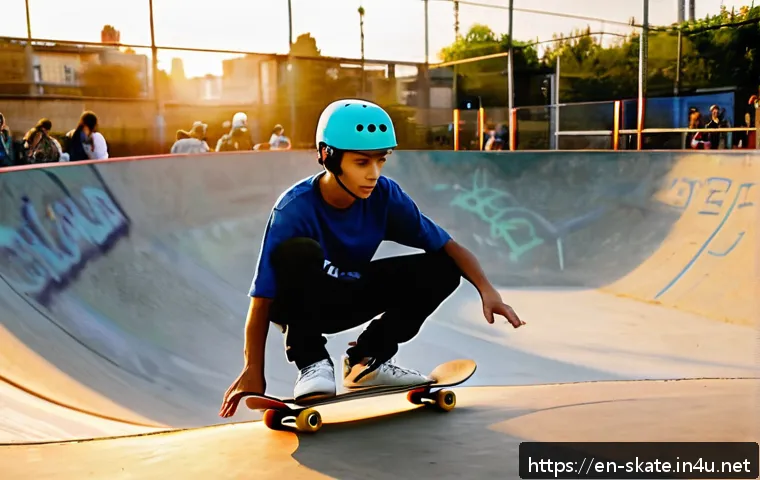
Setting out on a skating trip is an adventure that combines thrill and freedom, but packing the right gear can make all the difference between a smooth ride and unexpected setbacks.
From protective equipment to convenient accessories, having the essentials at hand ensures you stay safe and comfortable while exploring new terrains.
Over the years, I’ve learned that a well-prepared skater not only enjoys the journey more but also avoids common pitfalls that can ruin the fun. Whether you’re a seasoned pro or just starting out, knowing what to bring along will boost your confidence and performance.
Let’s dive into the must-have skating travel gear and tips that will elevate your next trip. I’ll guide you through all the details so you’re fully prepared!
Choosing the Right Protective Gear for Confidence and Safety
Helmets That Balance Comfort and Security
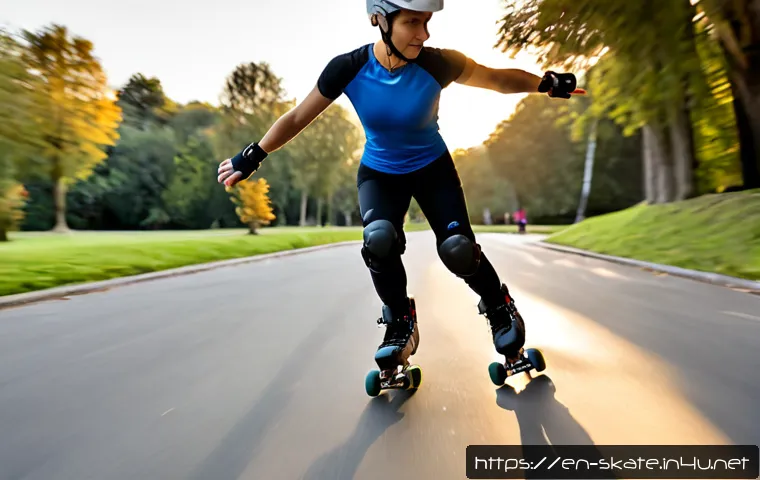
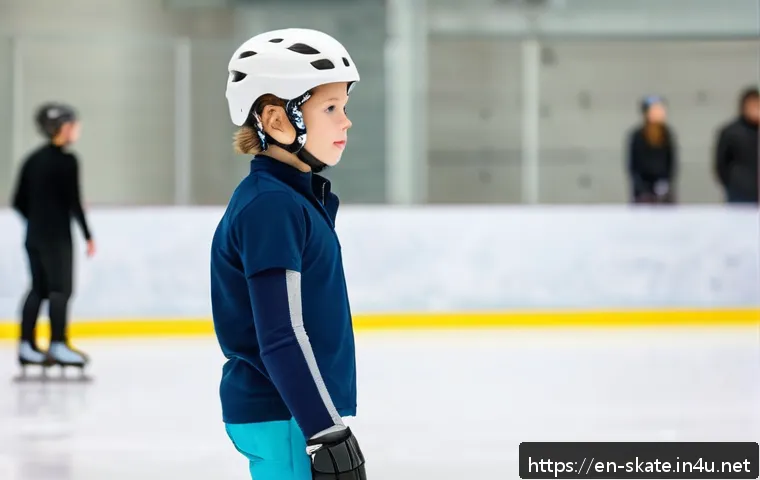
When I first started skating longer distances, I underestimated the importance of a good helmet. It’s not just about protection; comfort plays a huge role in whether you actually wear it consistently.
Look for helmets with adjustable straps and good ventilation to prevent overheating during intense rides. I’ve tried a couple of models, and the ones that mold well to your head shape without feeling too tight make a world of difference.
Plus, some helmets come with removable liners, which help keep things fresh on multi-day trips. Don’t skimp here—your head’s safety is the cornerstone of an enjoyable trip.
Wrist Guards and Knee Pads: The Unsung Heroes
I used to skip wrist guards, thinking they’d slow me down or feel clunky. Turns out, they’re lifesavers when you catch an unexpected fall. Picking guards that offer a snug fit without restricting movement is key.
Look for models with breathable materials so sweat doesn’t become a distraction. Knee and elbow pads are equally important, especially if you’re tackling rougher terrain or longer routes.
Finding gear that stays put without sliding around makes skating feel more natural and less like you’re wearing armor.
Choosing the Right Gloves for Grip and Protection
Gloves might seem optional until you experience how quickly your hands can get scraped or blistered. I’ve learned that gloves with padded palms and reinforced knuckles not only protect but also improve grip on your poles or the ground if you need to steady yourself.
Some gloves have touchscreen-compatible fingertips, which is a great bonus for checking maps or taking calls without removing them. The key is to find a pair that balances protection and dexterity, so you don’t feel like you’re losing control.
Footwear and Skates: Finding Your Perfect Fit
Boot Types and Their Impact on Performance
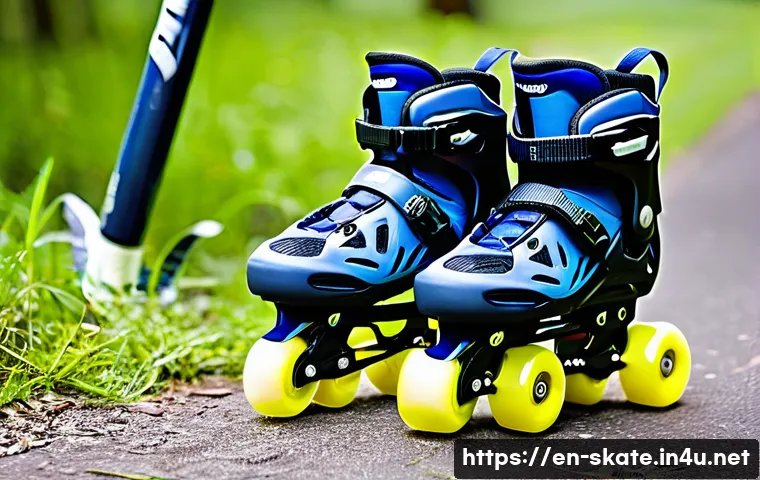
Selecting the right boots can make or break your skating experience. I’ve tried soft boots, hard boots, and hybrids, and each has pros and cons depending on your style and terrain.
Soft boots offer more flexibility and comfort but can lack the support you need for aggressive or long-distance skating. Hard boots provide excellent ankle support and power transfer but require a break-in period.
Hybrid boots strike a balance, offering moderate support with comfort. Pay attention to how your boots fit around the ankle and foot; a snug fit without pressure points is crucial.
Wheel Selection for Different Terrains
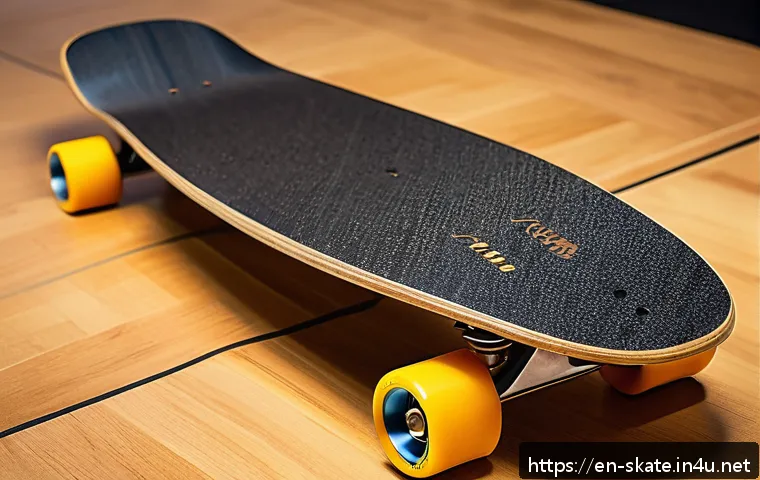
Wheels are often overlooked but dramatically affect how your skates handle various surfaces. Larger wheels roll over cracks and rough patches more smoothly but can be harder to control for beginners.
Smaller wheels offer more maneuverability but might slow you down on uneven pavement. The hardness (durometer) of the wheels also matters—softer wheels grip better on smooth indoor surfaces, while harder wheels are better outdoors.
I usually bring a spare set tailored to the route’s surface; swapping wheels can be a game-changer mid-trip.
Customizing Insoles and Laces for Extra Comfort
After a few hours on the road, foot fatigue can creep in quickly if your insoles or laces aren’t up to par. I switched to custom orthotic insoles, which made a huge difference in arch support and shock absorption.
As for laces, lock laces or speed laces help keep your boots snug without constant adjustment. This small investment in comfort pays off big when you’re skating for hours or climbing hills.
Essential Tools and Maintenance Kits to Keep Rolling
Basic Repair Tools to Handle Emergencies
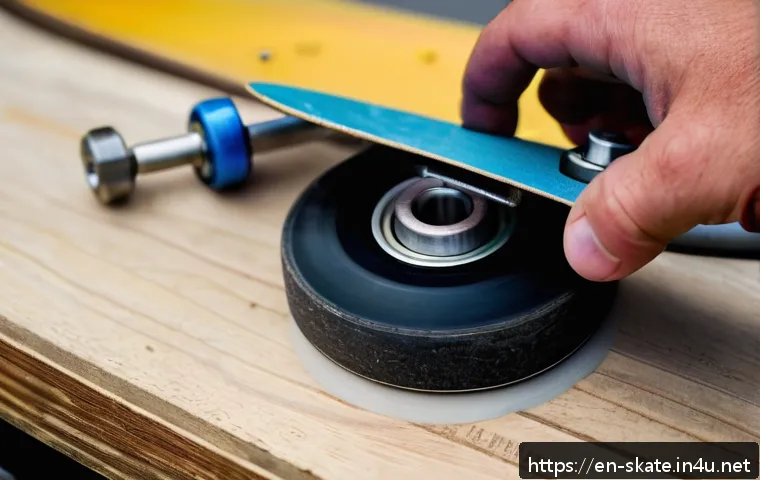
Nothing kills the vibe like a broken skate axle or loose wheel mid-trip. I always carry a compact skate tool that fits in my pocket; it handles everything from tightening bolts to adjusting brakes.
Having the right-sized Allen keys and screwdrivers prevents panic moments. Over time, I’ve learned to include a small multi-tool with pliers and a knife for unexpected fixes.
This kit has saved my trip multiple times.
Lubricants and Cleaning Supplies
Keeping your bearings clean and lubricated is essential for smooth skating. I pack a tiny bottle of bearing oil and some wipes to remove dirt and grime.
It’s surprising how much difference a quick clean can make, especially after skating on dusty or wet surfaces. I also bring a microfiber cloth for wiping down my boots and frame—this keeps everything in top shape and extends the life of your gear.
Storage Solutions for Easy Access and Organization
Organizing your tools and spare parts in a small pouch or dedicated compartment of your backpack makes repairs less stressful. I prefer pouches with elastic loops that hold each tool securely.
This way, when I need something quickly, I’m not digging through a jumble of gear. Plus, it keeps everything protected from the elements and reduces the chance of losing small parts.
Clothing Choices That Adapt to Changing Conditions
Layering for Temperature Control
Skating trips often span different weather conditions, so layering is your best friend. I start with moisture-wicking base layers that keep sweat away from the skin.
Over that, I add a lightweight fleece or windbreaker depending on the forecast. One time, I underestimated the wind chill, and my trip got cut short because I wasn’t prepared.
Now, I always bring an extra thermal layer that’s easy to stash away. The key is to stay comfortable without overheating, so you can focus on skating instead of shivering or sweating.
Choosing Breathable and Durable Fabrics
My go-to skating clothes are made from synthetic materials that dry quickly and resist tearing. Cotton is a no-go because it traps moisture and gets heavy when wet.
I also look for reinforced seams and abrasion-resistant panels around the knees and elbows—areas prone to scrapes. Some brands offer reflective elements, which have proven invaluable during early morning or late evening rides for extra visibility.
Accessories That Enhance Comfort and Safety
Don’t forget about hats, sunglasses, and neck gaiters. A good hat keeps the sun off your face, while polarized sunglasses reduce glare and protect your eyes from debris.
Neck gaiters serve double duty as dust shields and warmth on chilly days. I’ve used mine countless times to cover my face during windy stretches or dusty trails.
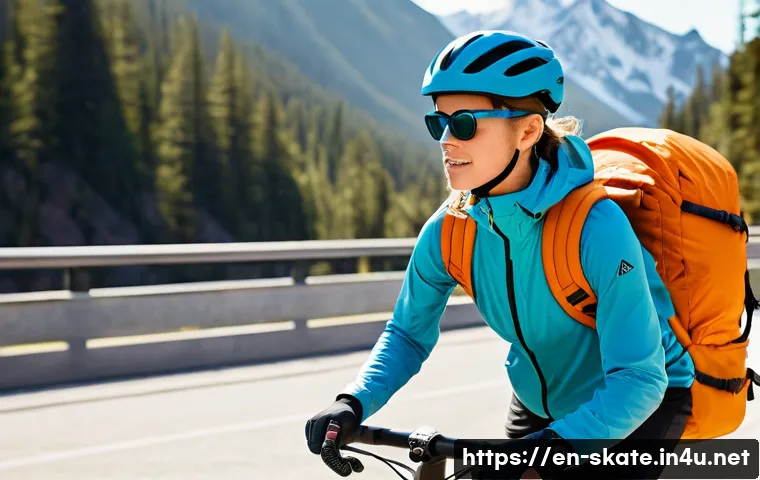
These small additions might seem minor but can hugely boost your overall comfort.
Backpacks and Carrying Solutions for Convenience
Choosing the Right Size and Fit
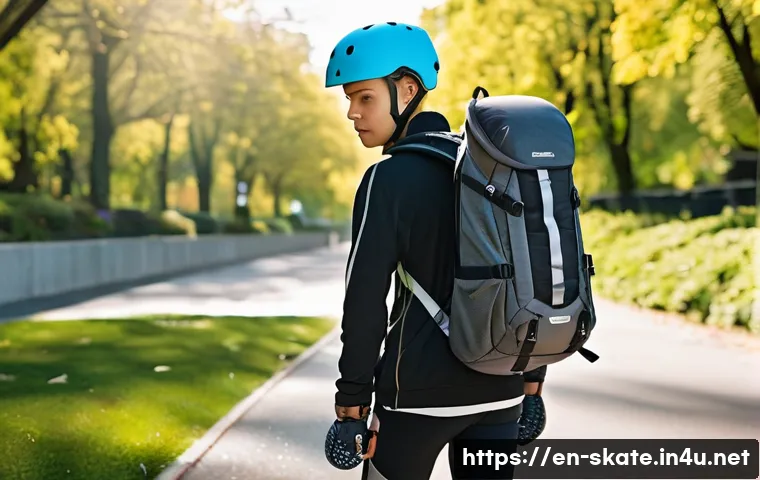
Finding a backpack that fits snugly and balances weight evenly is a must. Overloading or poorly fitted packs throw off your balance and tire you faster.
I prefer backpacks with adjustable straps and padded back panels that conform to my body shape. Some even have ventilation channels that keep sweat from pooling on your back, which makes long rides much more pleasant.
Compartments and Hydration Options
Organizing gear efficiently means less time fumbling and more time skating. Look for backpacks with multiple compartments to separate tools, snacks, and personal items.
Hydration bladders are a game-changer—I can sip water without stopping, which keeps my momentum going. Even if your pack doesn’t come with one, you can usually add a bladder system for hands-free hydration.
Durability and Weather Resistance
Since skating trips can expose your gear to rain, dust, and rough handling, a durable, weather-resistant backpack is worth the investment. I’ve had packs with waterproof zippers and reinforced stitching that kept everything dry during unexpected downpours.
A rain cover is a good backup, but starting with a solid pack that can handle the elements reduces stress and keeps your gear protected.
Snacks and Hydration: Fueling Your Adventure
Energy-Dense Snacks That Travel Well
I’ve found that packing snacks that are both lightweight and energy-dense keeps my energy levels steady. Nuts, dried fruits, and protein bars are my staples because they don’t spoil and are easy to eat on the go.
One time, I ran out of snacks mid-ride and felt my energy tank fast, so I always make sure to carry more than I think I’ll need. Avoid sugary snacks that cause quick spikes and crashes.
Hydration Strategies for Long Trips
Water is essential, but sometimes just plain water isn’t enough for long, sweaty trips. I bring electrolyte tablets or powders to mix into my water, which help replace lost salts and prevent cramps.
On hot days, I drink small amounts regularly instead of waiting until I’m thirsty. It’s a small habit that made a big difference in my endurance and overall comfort.
Practical Containers and Storage
Reusable water bottles with wide mouths are my favorite because they’re easy to clean and refill. I use insulated bottles to keep drinks cool, especially during summer trips.
For snacks, small zip-lock bags or reusable silicone pouches keep everything fresh and organized. Having everything in leak-proof containers prevents messes and keeps your backpack clean.
Essential Tech Gear for Navigation and Safety
Using GPS and Mapping Apps
I rely heavily on GPS apps designed for skaters or cyclists because they provide accurate routes and terrain info. Downloading offline maps is a must in case you lose signal.
I’ve had moments where quick rerouting saved me from getting stuck on unsuitable paths. Pair your phone with a handlebar mount or a secure pocket for easy access while riding.
Safety Alarms and Communication Devices
Carrying a whistle or a small personal alarm adds an extra layer of safety, especially when skating in less populated areas. For longer trips, I use a compact two-way radio or a satellite messenger, which can be lifesavers in emergencies.
Having a way to communicate even without cell service gives peace of mind.
Power Banks and Charging Solutions
Keeping your devices charged is critical, especially for navigation and emergency contact. I carry a lightweight power bank with fast charging capabilities and a sturdy cable.
Charging while on the move can be tricky, so I make sure everything is fully charged before heading out. Investing in solar chargers or battery cases can be a great backup for multi-day trips.
| Gear Category | Recommended Features | Personal Tips |
|---|---|---|
| Protective Gear | Adjustable helmets, breathable wrist guards, padded gloves | Test for comfort and fit before long rides; ventilation is key |
| Skates & Footwear | Boot type (soft/hard/hybrid), wheel size and hardness, custom insoles | Bring spare wheels suited for terrain; invest in quality laces |
| Tools & Maintenance | Compact skate tool, lubricant, cleaning wipes, organized pouch | Pack multi-tools and keep everything accessible for quick fixes |
| Clothing | Moisture-wicking layers, abrasion-resistant fabrics, reflective elements | Layer smartly for temperature changes; avoid cotton |
| Backpacks | Adjustable fit, hydration bladder compatibility, weather resistance | Organize gear in compartments; consider rain covers |
| Food & Hydration | Energy-dense snacks, electrolyte supplements, insulated bottles | Snack frequently; carry more than you think you need |
| Tech | GPS apps, safety alarms, power banks, communication devices | Download offline maps; carry backup communication tools |
Wrapping Up
Choosing the right gear is essential for a safe and enjoyable skating experience. Comfort, fit, and functionality should always come first to keep you confident on your journey. Investing time and care into selecting your equipment pays off in both performance and peace of mind. Remember, well-prepared skaters are happy skaters.
Useful Tips to Keep in Mind
1. Always test your protective gear for comfort and ventilation before long outings to ensure you’ll wear it consistently.
2. Customize your skates with wheels and insoles suited to your terrain and personal comfort to avoid fatigue.
3. Carry a compact maintenance kit with essential tools to handle unexpected repairs swiftly and stay on track.
4. Dress in layers made from breathable, durable fabrics to adapt easily to changing weather conditions.
5. Stay hydrated and fueled with energy-dense snacks and electrolyte supplements to maintain your stamina.
Key Takeaways for Your Skating Adventures
Prioritize safety by choosing protective gear that fits well and provides good ventilation. Tailor your footwear and wheels to the surfaces you’ll encounter for better control and comfort. Keep essential tools and cleaning supplies handy to avoid disruptions. Dress smartly with moisture-wicking layers and reflective accents for visibility and protection. Lastly, plan your nutrition and hydration carefully to sustain energy and focus throughout your ride.
Frequently Asked Questions (FAQ) 📖
Q: What are the essential protective gears I should pack for a skating trip?
A: When preparing for a skating trip, the basics you shouldn’t skip are a helmet, wrist guards, knee pads, and elbow pads. From my own experience, having these on not only protects you from serious injuries but also boosts your confidence to try new moves without hesitation.
Even if you’re skating on smooth surfaces, unexpected falls can happen, and these gears save you from painful scrapes or worse. If you’re going long distances or tackling rough terrain, consider padded shorts as well for extra protection.
Q: How can I make sure my skating gear stays comfortable and functional throughout the trip?
A: Comfort and functionality come down to good preparation. First, choose gear that fits well—too tight or loose can cause discomfort or even injuries. I always bring moisture-wicking socks and breathable clothing to stay cool and dry, which makes a huge difference on longer rides.
Also, pack a small repair kit with spare wheels, bearings, and tools because unexpected gear issues can happen anytime. Keeping everything organized in a compact bag helps you access what you need quickly without wasting time.
Q: What accessories should I bring to enhance my skating trip experience?
A: Beyond the protective gear, a few handy accessories can elevate your skating trip. Sunglasses with UV protection are a must if you’re outdoors for hours, as they reduce glare and protect your eyes.
A reusable water bottle is crucial to stay hydrated, especially when skating under the sun. I also recommend bringing a lightweight, foldable backpack to carry snacks, your repair kit, and extra layers.
Lastly, a smartphone mount on your wrist or handlebar can be useful for navigation or capturing your adventure without fumbling around.