Stepping onto the ice for the first time can feel both thrilling and intimidating, especially as winter sports continue gaining popularity worldwide. Whether you’re lacing up skates for fun or aiming to master new skills, the journey is filled with unexpected slips, surprising lessons, and moments of pure joy.
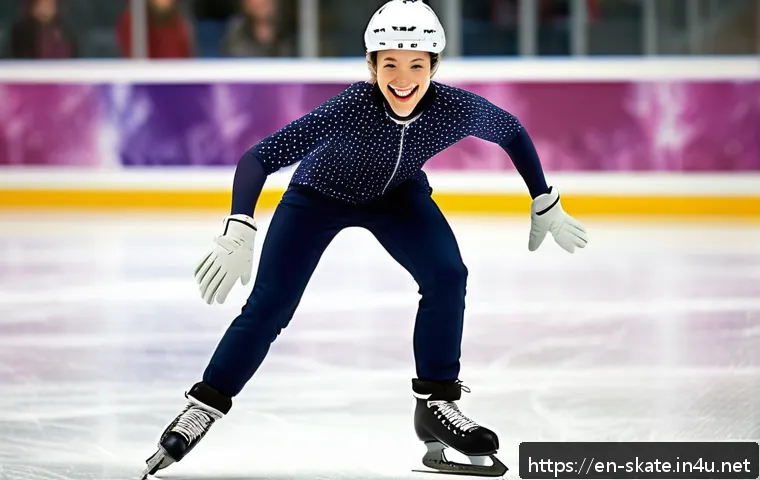
Over the past year, I’ve experienced firsthand the ups and downs of learning to skate—each fall teaching me resilience and every glide boosting my confidence.
If you’ve ever wondered what it really takes to find balance on ice, stick around as I share the tips, challenges, and triumphs that made all the difference in my first year.
This isn’t just about skating; it’s about embracing a fresh adventure and discovering what’s possible when you keep moving forward.
Finding Your Footing: The First Steps on Ice
Understanding the Basics Before You Glide
When I first stepped onto the ice, I realized just how different it felt compared to walking on solid ground. The slippery surface demands a whole new sense of balance and muscle control.
Before even thinking about moving forward, I spent a good chunk of time simply standing still, getting used to how my skates felt beneath me. It’s tempting to rush in and start pushing off, but patience here is key.
Learning to shift your weight gradually and feel the edge of your blades against the ice sets a solid foundation for everything that follows.
Overcoming the Fear of Falling
I won’t sugarcoat it—falling happens, often and unexpectedly. But the moment I stopped dreading each fall and instead saw it as part of the learning curve, my progress accelerated.
You learn quickly how to fall safely, cushioning yourself and minimizing injury. This shift in mindset changes everything; once fear is out of the way, you can relax and focus on improving your technique.
I remember laughing off some of my more dramatic tumbles, which oddly enough made the whole experience much more enjoyable.
Building Confidence with Small Wins
Early victories, like gliding a few feet without wobbling or making a smooth turn, are incredibly motivating. I kept a mental note of these small achievements, which helped keep frustration at bay during tougher sessions.
Celebrating these moments, no matter how minor they seemed, made me want to lace up again the next day. It’s a reminder that progress doesn’t have to be giant leaps; consistent small wins add up to real improvement.
Choosing the Right Gear for Comfort and Safety
Skate Selection: Fit Over Flash
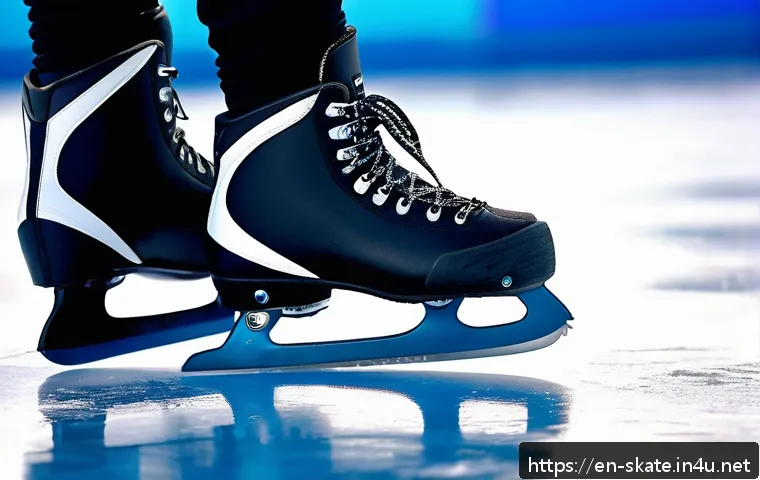
One of the most important lessons I learned quickly was that the right skate fit can make or break your experience. I initially grabbed a pair that looked cool but were too loose, which led to constant instability and foot pain.
Investing in properly fitted skates—ideally by visiting a specialty shop where they measure your foot and recommend the best model—made a huge difference.
Comfort and support trump style every time when you’re just starting out.
Protective Gear That You’ll Actually Use
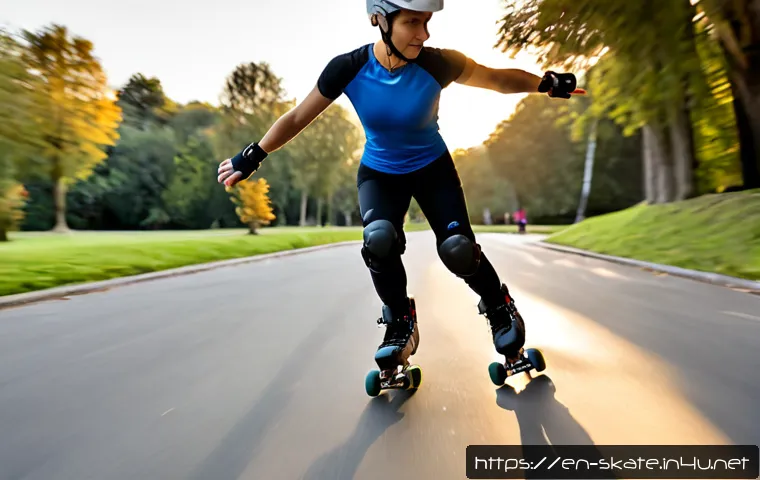
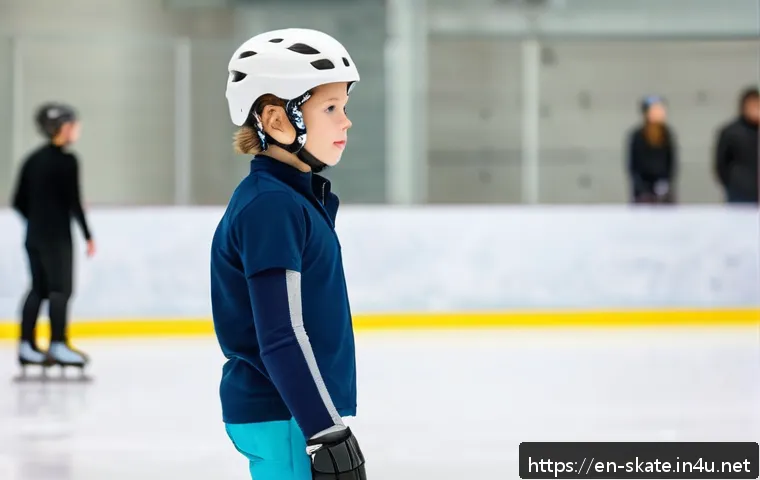
At first, I underestimated the value of protective gear like helmets, wrist guards, and knee pads. But after a few close calls, I realized they’re essential, especially for beginners.
Wearing a helmet gave me peace of mind, allowing me to push my limits without paralyzing fear. Wrist guards were lifesavers during unexpected falls, preventing painful sprains.
The key is finding gear that feels comfortable enough so you don’t want to take it off mid-session.
Layering for Temperature Control
Ice rinks can be surprisingly chilly, but you also don’t want to overheat as you start moving. I experimented with different clothing layers—thermal shirts, moisture-wicking tops, and flexible pants—to find the right balance.
Breathable fabrics that dry quickly helped keep me comfortable through longer sessions. Plus, gloves that allow for grip without restricting finger movement are a must-have.
Mastering Balance and Movement Techniques
Weight Distribution and Posture
One subtle but game-changing tip I discovered was how shifting my weight slightly forward—not leaning back—helped me maintain balance. It felt counterintuitive at first because leaning back seemed safer, but it actually made me more prone to falls.
Keeping knees slightly bent and shoulders relaxed also helped me stay more agile. Practicing these postural adjustments in front of a mirror made it easier to internalize the right form.
Learning to Stop Confidently
Stopping is an essential skill that many beginners overlook. I found that mastering the “snowplow” stop gave me control and confidence to navigate crowded rinks.
It took several tries to get the angle and pressure right, but once I nailed it, I felt empowered to skate without fear of running into others or the rink walls.
This skill alone transformed my skating sessions from nerve-wracking to enjoyable.
Turning Without Losing Momentum
Turning smoothly was another challenge I faced early on. Initially, I’d slow down so much that I felt clumsy. Through practice, I learned to lean into the turn and use the edges of my skates to carve a path without stopping.
It took time to trust my body’s ability to balance and steer simultaneously, but once I did, my skating felt more fluid and natural.
Understanding Common Challenges and How to Overcome Them
Dealing with Muscle Fatigue and Soreness
Skating uses muscles you might not activate daily, so soreness is inevitable at the start. I found that stretching before and after sessions, along with proper hydration, helped ease the discomfort.
Giving myself rest days was crucial too; pushing through fatigue often led to sloppy technique and increased risk of injury. Gradually, my endurance improved, and those early aches became less frequent.
Handling Mental Frustration
There were moments when I felt stuck, frustrated that progress was slower than I wanted. During these times, I reminded myself that learning any new physical skill is a marathon, not a sprint.
Breaking down complex movements into smaller parts helped reduce overwhelm. Sometimes, just stepping off the ice and watching others or chatting with fellow skaters reignited my enthusiasm.
Managing Busy or Crowded Rink Conditions
Skating in a crowded rink can be intimidating and sometimes stressful, especially for beginners still finding their balance. I learned to choose less busy times when possible, like weekday mornings, to practice comfortably.
When unavoidable, focusing on awareness and controlled speed helped me navigate safely. It also made me appreciate the importance of etiquette on ice to keep everyone safe and happy.
Tracking Progress and Setting Realistic Goals
Keeping a Skating Journal
I started jotting down my experiences after each session—what worked, what didn’t, and any new milestones. This simple habit kept me motivated and made it easier to see long-term progress that might not be obvious day-to-day.
Reflecting on setbacks and successes helped me adjust goals without getting discouraged.
Setting Short-Term and Long-Term Objectives
Breaking my skating journey into achievable steps was a game changer. Short-term goals like “glide across the rink without stopping” or “stop smoothly using the snowplow” gave me tangible targets for each session.
Long-term, I aimed to join a beginner’s hockey or figure skating class. Having these goals kept my practice purposeful and rewarding.
Celebrating Milestones With Others
Sharing progress with friends or a skating community added a layer of accountability and joy. I found that getting encouragement from others boosted my confidence, and celebrating milestones together made the journey feel less lonely.
Sometimes, just hearing “you’ve really improved!” was the push I needed to keep going.
Essential Tips for a Safer and More Enjoyable Experience
Listening to Your Body
One key lesson I learned is the importance of tuning into physical signals. If something hurts beyond normal muscle soreness, it’s a sign to stop and reassess.
Ignoring pain often led to longer setbacks. I made it a habit to warm up properly and cool down after skating, which helped prevent injuries and kept me feeling good.
Finding the Right Skating Environment
Not all ice rinks are created equal. Some are better maintained, less crowded, and more beginner-friendly than others. I experimented with a few local rinks and found that the ones with beginner classes or designated practice times made a huge difference in my comfort and progress.
The vibe of the rink, including helpful staff and friendly skaters, also contributed to a more positive experience.
Incorporating Cross-Training Activities
To support my skating skills, I added activities like yoga and balance exercises off the ice. These helped improve flexibility, core strength, and overall body awareness, which translated into better stability while skating.
Cross-training also kept my routine fresh and prevented burnout from doing just one activity.
| Common Challenges | Practical Solutions | Benefits Experienced |
|---|---|---|
| Fear of falling | Learn safe falling techniques; wear protective gear | Reduced anxiety; increased willingness to try new moves |
| Poor skate fit | Get professionally fitted skates; prioritize comfort | Better balance; less foot pain; longer skating sessions |
| Muscle soreness | Stretching; hydration; rest days | Faster recovery; sustained progress; injury prevention |
| Frustration with progress | Set small goals; keep a journal; take breaks | Maintained motivation; clearer progress tracking |
| Crowded rink anxiety | Visit during off-peak hours; practice controlled speed | Safer skating; more enjoyable sessions |
In Conclusion
Starting your ice skating journey can feel challenging, but with patience and the right approach, progress comes naturally. Embracing falls, choosing proper gear, and focusing on balance are key steps toward enjoying this rewarding sport. Remember, every small victory builds your confidence and skill. Keep practicing, stay safe, and most importantly, have fun on the ice!
Helpful Tips to Remember
1. Take your time getting comfortable on the ice before attempting to glide or turn to build a strong foundation.
2. Invest in well-fitted skates and protective gear to ensure safety and maximize comfort during your sessions.
3. Practice stopping and turning techniques patiently to gain control and maintain momentum.
4. Listen to your body—rest when needed and manage soreness with proper stretching and hydration.
5. Track your progress through journaling and set realistic goals to stay motivated and celebrate your improvements.
Key Takeaways
Mastering ice skating starts with understanding balance and body posture while prioritizing safety through appropriate gear. Overcoming fear and frustration is essential for steady progress, supported by setting clear goals and recognizing small achievements. Choosing the right environment and supplementing training with off-ice exercises can enhance your overall experience and skill development. Always listen to your body to prevent injury and maintain a positive, enjoyable skating journey.
Frequently Asked Questions (FAQ) 📖
Q: uestionsQ1: What’s the best way to overcome the fear of falling when learning to skate?
A: Honestly, the fear of falling is totally normal and something everyone faces at the start. What helped me most was focusing on small goals—like just standing steadily or gliding a few feet—rather than trying to skate perfectly right away.
Wearing proper protective gear like knee pads and a helmet gave me confidence to take those initial risks. Also, reminding myself that falling is part of the learning process made it less intimidating.
Each tumble actually taught me how to balance better and get back up without hesitation.
Q: How long does it usually take to feel comfortable on the ice?
A: From my experience, it varies widely depending on how often you practice, but many beginners start feeling more steady after about 4 to 6 weeks of consistent skating sessions.
I found that skating twice a week, even just for 30 to 45 minutes, made a huge difference. It’s less about rushing and more about building muscle memory gradually.
The key is patience—your body and mind need time to adjust to the unique balance and movements on ice.
Q: What are some essential tips for beginners to improve quickly?
A: One thing I learned fast is that posture matters—a slight forward lean with knees bent helps maintain balance and control. Also, practicing basic stops and turns early on saves frustration later.
Don’t hesitate to take a lesson or watch tutorial videos; having someone guide you can speed up progress. Lastly, stay relaxed and enjoy the process. When I stopped worrying about perfection and embraced the fun moments, my skills improved naturally and I looked forward to every skating session.