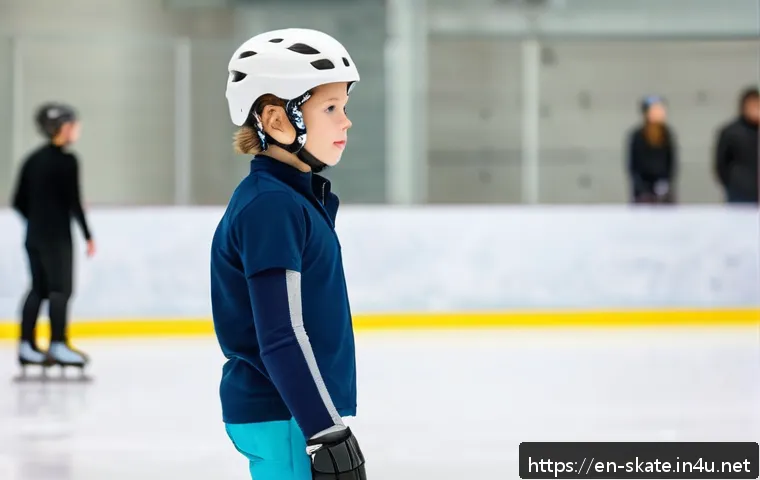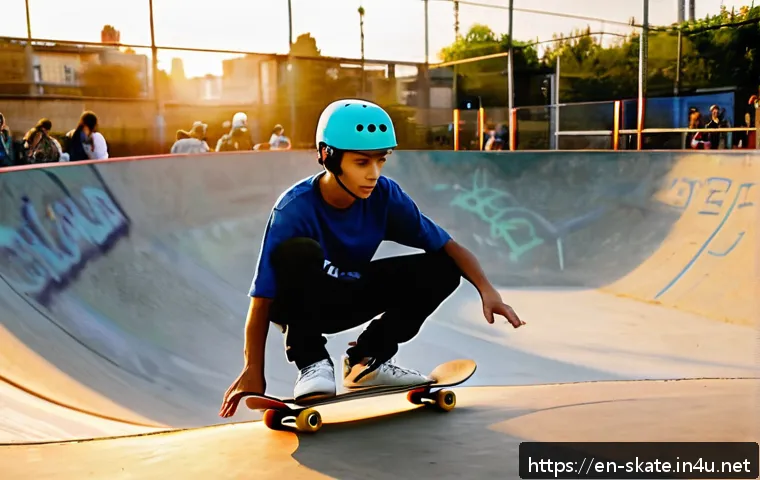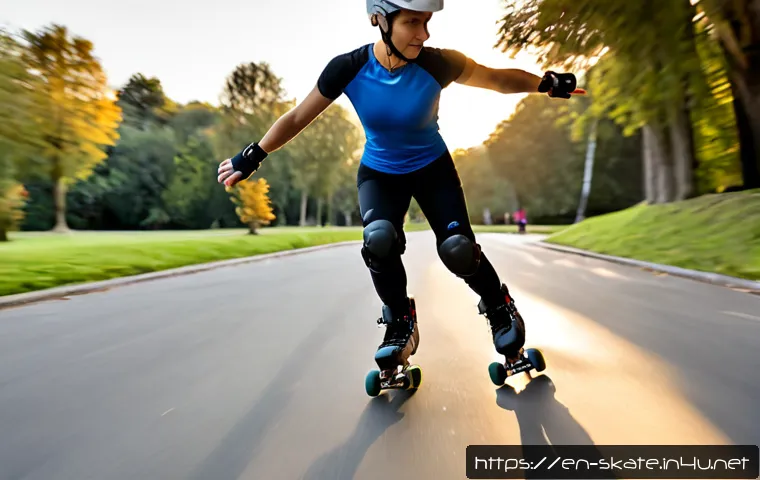
Skating can burn more calories when you spend more time actively moving at a sustainable pace, with fewer long stops. Your personal result depends on body weight, skating style, pace, surface or ice conditions, skill level, and actual active minutes.
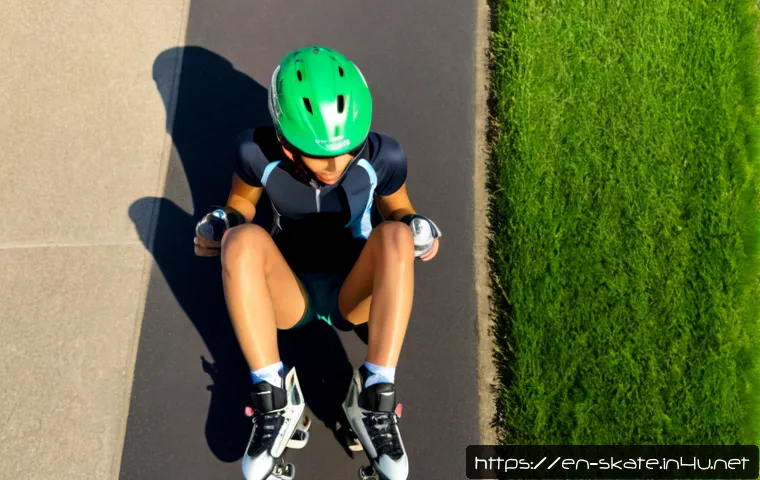
A continuous rink session, outdoor roller route, or interval-based skate can all work, but they create different demands on balance, control, and equipment.
For many people, tracking active skating time is more useful than treating the entire visit to a rink as exercise time. Protective gear and properly fitted skates can make it easier to practice consistently and with more confidence.
Before paying for a rink pass, skate rental, personal skates, or a fitness tracker, compare how often you skate and what helps you stay active safely.
At a Glance
- Active skating minutes and intensity usually matter more than total time spent at a rink or park.
- Faster, more continuous skating generally requires more energy than casual gliding with frequent rests.
- Well-fitted skates, a helmet, and protective pads can support safer practice while you build endurance and control.
| Option | Likely Effort Pattern | Best For | Key Decision Point |
|---|---|---|---|
| Ice skating at a rink | Can range from easy cruising to sustained laps | People who prefer a predictable surface and indoor setting | Check admission, rental availability, session schedules, and crowd levels |
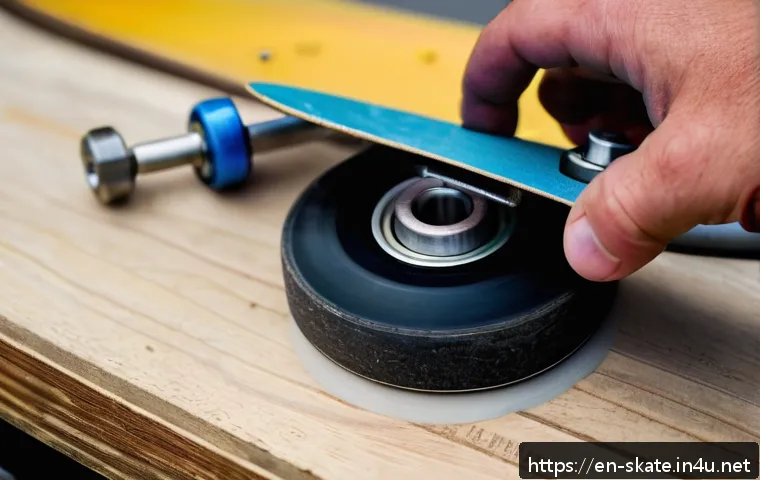
| Roller skating | Flexible pace with balance and lower-body work | Recreational skaters using smooth paths or indoor floors | Compare skate fit, wheel condition, and protective gear needs |
| Inline skating outdoors | Can become more demanding with distance, hills, or faster sections | Skaters who have a safe route and reliable stopping skills | Consider terrain, traffic exposure, surface quality, and route control |
| Rink rental skates | Depends on your skating plan, not the rental itself | Occasional visits or trying a skating format | Assess comfort, fit, rental frequency, and total session cost |
| Personal skates and safety gear | Supports regular practice when properly fitted | People skating often enough to value familiar equipment | Prioritize fit, intended skating style, helmet fit, and pad coverage |
What Determines How Many Calories You Burn While Skating?
The Quick Answer: Active Minutes and Intensity Matter More Than Total Time at the Rink
The most useful starting point is simple: count the time you are actually skating. Standing near the boards, waiting to enter the ice, chatting with friends, adjusting laces, or taking a long break may be part of a fun outing, but it is not the same as continuous movement.
If your goal is a cardio-focused skating workout, aim for a session with a clear active period. That might mean steady laps at a controlled pace, a planned outdoor route, or short faster sections followed by easier skating. You do not need to skate recklessly to change the effort level. Sustained movement, hills, faster laps, and intervals can all increase intensity without making the whole visit longer.
Body Weight, Skill Level, Pace, and Rest Breaks
There is no single calorie number that fits every skater. Body weight, pace, duration, rest periods, skating type, and fitness level all affect energy expenditure. Ice conditions, path quality, terrain, and how often you stop also matter.
New skaters may take more breaks while learning balance, turning, and stopping. That does not make the session useless. Skill practice can still provide aerobic activity while challenging lower-body strength, coordination, and balance. As control improves, it may become easier to spend a larger share of the session in steady movement.
Why Calorie-Tracker Results Should Be Treated as Estimates
A fitness watch or heart-rate monitor can make it easier to review a workout, especially when it records active time and heart-rate trends. Still, a displayed calorie total is an estimate, not an exact personal measurement. Tracker accuracy can vary, and no device can guarantee an exact skating calorie result for every user.
Use tracker data as a pattern tool. Record your active minutes, break time, perceived effort, and whether you skated continuously or practiced skills. Over several sessions, this gives you a more practical view than relying on one calorie number alone.
Compare Skating Workouts by Effort, Time, and Cost
Casual Cruising vs. Continuous Cardio Skating vs. Intervals
Casual cruising is often the easiest entry point. It allows time to practice posture, balance, turns, and stopping. It may include frequent pauses, so it is usually less focused on uninterrupted cardio work.
Continuous cardio skating means maintaining a comfortable, controlled pace for a sustained period. This approach suits skaters who already stop and turn with confidence and want fewer interruptions.
Interval skating alternates easier movement with brief periods of faster laps, a hill section, or more purposeful strides. It can change workout intensity without requiring a longer session. The important limit is control: if faster movement affects your ability to turn or stop safely, reduce the pace.
Ice Skating, Roller Skating, and Inline Skating: Practical Differences
Ice skating and roller skating can both be aerobic exercise and both challenge the lower body, balance, and coordination. The practical choice often comes down to access, surface conditions, comfort, and the style you enjoy enough to repeat.
An ice rink may offer a consistent setting, though public sessions can include crowds and pauses. Roller skating may be convenient in an indoor venue or on a smooth surface. Inline skating can make route choice especially important because uneven pavement, hills, and outdoor conditions can change both effort and risk. Choose the setting where you can skate continuously without sacrificing awareness or stopping control.
Rink Admission, Skate Rental, Personal Skates, and Fitness-Value Considerations
Rental skates can be a sensible choice for occasional rink visits, trying a new skating style, or deciding whether skating fits your routine. Personal skates may be worth considering when you skate regularly and want consistent fit and familiar support. The better value is not automatically the lower upfront cost; it is the option that helps you use the equipment safely and often enough to meet your routine.
When comparing rink access, look at public-skating times, rental availability, travel convenience, and how much of the session you can realistically spend moving. Local admission prices, rental fees, passes, and schedules vary, so confirm the current details directly before you buy.
A Safer Step-by-Step Plan for a Higher-Calorie Skate Session
Warm Up, Choose a Realistic Route or Rink Plan, and Set Active-Time Goals
Start with easy movement and give yourself time to feel the surface. At a rink, identify the flow of traffic and a comfortable place to pause. Outdoors, select a route that matches your current stopping and turning ability. A smooth, familiar area is generally a better place to build consistency than a challenging route chosen only for speed.
Set an active-time goal, not just an arrival and departure time. Keep it realistic. Beginners may benefit from alternating skating with planned recovery and skill practice. More experienced recreational skaters may choose a longer continuous block at a manageable pace.
Add Simple Intervals Without Sacrificing Control
After an easy start, use short faster sections only where you have space and control. Return to an easier pace before fatigue changes your posture or braking ability. Hills and faster laps can raise effort, but they are not required for an effective session.
Do not make speed the only measure of progress. More continuous skating, smoother turns, reliable stopping, and fewer unplanned rests can all improve the workout value of your session.
Cool Down and Record Active Minutes, Effort, and Recovery
Finish with easier skating rather than stopping immediately after your hardest effort. Then note what happened: active skating minutes, approximate break time, effort level, route or rink conditions, and any tracker heart-rate data you use. This calculator checklist helps you interpret a workout without pretending the result is exact:
- Body weight: a factor in individual energy expenditure
- Active minutes: time spent truly skating
- Break time: waiting, resting, chatting, or adjusting gear
- Intensity: easy cruising, steady movement, or intervals
- Heart-rate data: useful context when available, not a guarantee of precision
Common Mistakes That Reduce Workout Value or Increase Injury Risk
Mistaking Standing, Chatting, or Queueing Time for Skating Time
Total venue time can be much longer than actual exercise time. If you want to compare sessions fairly, separate the active portion from time spent waiting, resting, or socializing. This is especially useful at busy public rinks.
Chasing Speed Before Learning Turns and Stopping
Trying to skate faster before you can stop reliably can turn a fitness goal into an avoidable risk. Build the basics first: balance, controlled turns, awareness of other skaters, and stopping. Speed work belongs only in a setting and at an intensity you can manage.
Skipping Protective Gear or Using Poorly Fitted Skates
A properly fitted helmet, wrist guards, knee pads, and elbow pads can reduce injury risk during many skating activities. Fit matters with skates, too. Loose, uncomfortable, or poorly supportive skates may make control harder and can shorten your session for the wrong reason.
Before buying skating gear, review the product details for intended use, sizing guidance, fit features, and applicable safety certification information. If you rent, take time to check that the skates feel secure before heading onto the floor or ice.
Choose the Right Approach for Your Situation
Beginners Building Balance and Consistency
Choose shorter, repeatable sessions with room for rest and skill practice. A lower-calorie session can still be a meaningful workout when you are learning. Your early goal is consistency and safe control, not a perfect tracker number.
Recreational Skaters Who Want a Cardio-Focused Routine
Use steady skating as the foundation, then add controlled intervals when your stopping skills are reliable. A rink session with fewer pauses or a familiar outdoor path can both support a more continuous workout. Track active minutes so your routine is based on what you actually did.
People Deciding Between Occasional Rentals, Rink Passes, and Owning Equipment
Rentals fit occasional use and experimentation. A rink pass may make sense if session times and location make regular visits realistic. Personal skates can be more appealing for frequent skaters who want a dependable fit and access to more than one skating location. Compare the full experience, including travel, rental frequency, session access, comfort, and protective equipment needs.
Selection Criteria and Comparison Summary
Before choosing a skating setup, compare fit, safety certification information, rental frequency, rink access, route conditions, and total session cost. Ask whether rental skates are comfortable enough for your intended active time, whether a personal pair suits your skating style, and whether a helmet and pads fit securely. If you use a fitness tracker, look for activity tracking and heart-rate features that help you review trends rather than promise exact calorie counts. Check the official product details, rink schedule, rental terms, and current pricing on the relevant page before choosing.
Final Thoughts
Skating can be a useful cardio option because it combines movement with balance, coordination, and lower-body effort. The practical way to increase workout value is to spend more time skating continuously at a pace you can control. Count active minutes, use equipment that fits, and progress from skill practice to sustained skating as your confidence improves. A session does not need to be fast or perfect to be worthwhile.
Useful Things to Know
1. Rink time and active skating time are not always the same.
2. Hills, faster laps, and intervals can change intensity without extending the session.
3. Ice skating, roller skating, and inline skating each require attention to the surface and environment.
4. Protective gear can support safer practice while you improve.
5. Fitness tracker calorie readings are estimates, so use them as one part of your workout record.
Important Notes
Individual calorie expenditure cannot be determined precisely without details such as body weight, pace, skating type, duration, breaks, and fitness level. The safest intensity also depends on personal health, injury status, dizziness, and balance concerns. If you have an injury, medical condition, or concerns about balance, confirm an appropriate activity level with a qualified professional. Always check local rink policies, public-session schedules, rental conditions, and current costs before making a purchase decision.
Frequently Asked Questions
Q1. Is skating a good workout for burning calories compared with walking or cycling?
A1. Skating can provide aerobic exercise while also challenging balance, coordination, and lower-body strength. The exact comparison for an individual depends on pace, active time, breaks, body weight, fitness level, and the specific activity. Instead of assuming one activity always burns more, compare how continuously and consistently you can perform each one.
Q2. How long should I skate if my goal is a cardio workout rather than casual recreation?
A2. Focus on a realistic amount of active skating time rather than total time at the rink. Beginners may need more rest and skill practice, while experienced skaters may be able to sustain longer periods of continuous movement. Increase duration or intensity gradually while keeping turns and stopping controlled.
Q3. Is it better to rent skates at a rink or buy my own pair for regular exercise?
A3. Rentals can work well for occasional skating, trying a new format, or avoiding an immediate equipment purchase. Personal skates may offer better long-term value for frequent use because fit and familiarity can support more comfortable practice. Compare fit, safety information, rental frequency, rink access, and total session cost before choosing.