Skateboarding has evolved far beyond just a hobby—it’s a lifestyle embraced by millions worldwide. Whether you’re a beginner trying to master the basics or an experienced rider aiming to perfect your tricks, questions about gear, techniques, and safety often come up.

Understanding the nuances of skate culture and equipment can make all the difference in your progress and enjoyment. I’ve gathered some of the most common and insightful questions to help you navigate this thrilling sport with confidence.
Let’s dive in and get all the essential answers you need to elevate your skateboarding game! Stick around because I’ll make sure you get the full scoop right here.
Choosing the Right Skateboard Setup for Your Style
Understanding Deck Sizes and Shapes
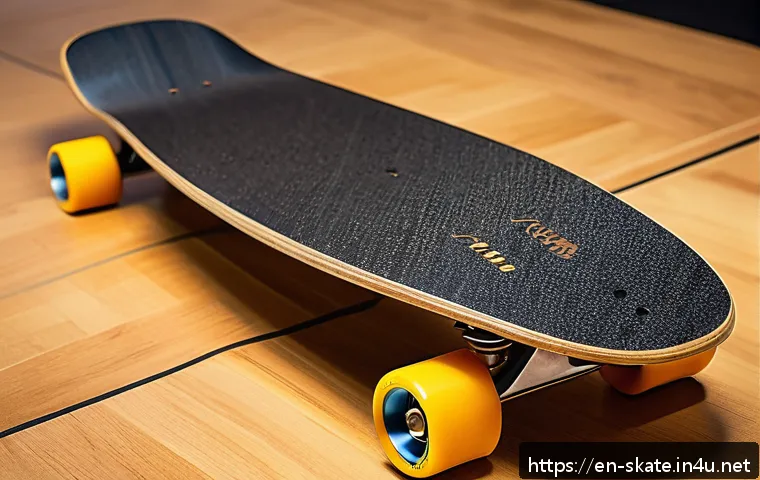
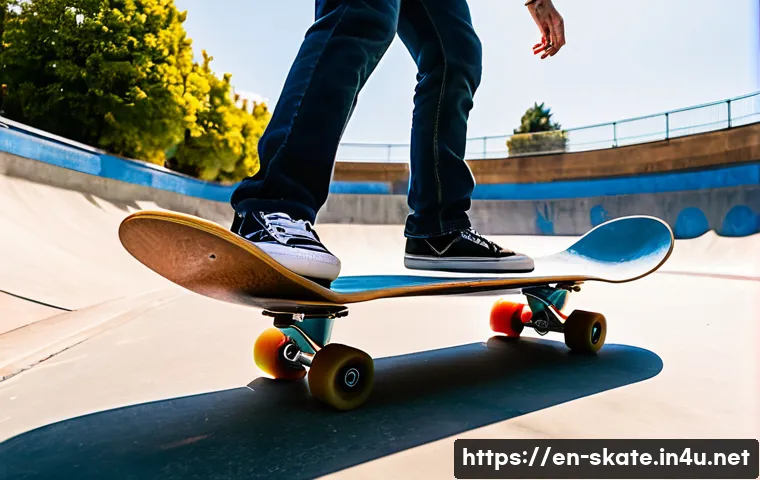
Picking the right deck size and shape is crucial, especially if you’re just starting out. A wider deck offers more stability and is perfect for cruising or vert skating, while a narrower deck allows for quicker flips and technical tricks.
For example, I used to ride a 7.5-inch deck when I focused on street skating, but when I shifted towards ramps, I switched to an 8.25-inch deck, and it made a huge difference in balance and confidence.
Also, the shape—whether it’s a popsicle shape or a cruiser style—affects how your board feels underfoot. If you want to get into technical tricks, a symmetrical popsicle shape is your best bet.
Picking Trucks and Wheels for Different Terrains
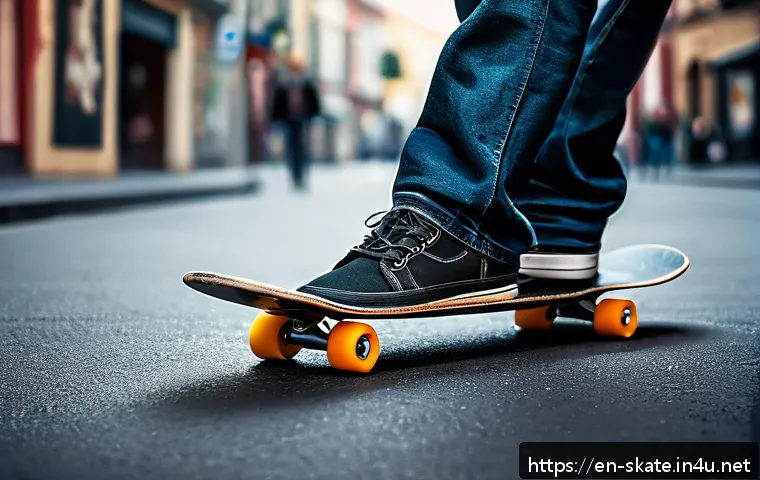
Trucks and wheels aren’t just accessories; they define how your skateboard performs on various surfaces. Smaller wheels (around 50-54mm) are ideal for street skating because they’re lighter and easier to maneuver.
Larger wheels (55mm and above) are better for cruising or rough surfaces, offering more speed and a smoother ride. As for trucks, wider trucks provide better stability, especially for bowl or ramp skating, while narrower trucks are more agile for street tricks.
I remember switching to slightly wider trucks when I started skating bowls, and it helped me land transitions much more smoothly. Don’t forget to consider the hardness of wheels too—softer wheels grip better on rough terrain, while harder wheels slide easier on smooth surfaces.
How to Maintain Your Skateboard for Longevity
Taking care of your skateboard is often overlooked but can save you money and improve your ride quality. Regularly tightening your trucks to your preferred level prevents wobbling but keeps your board responsive.
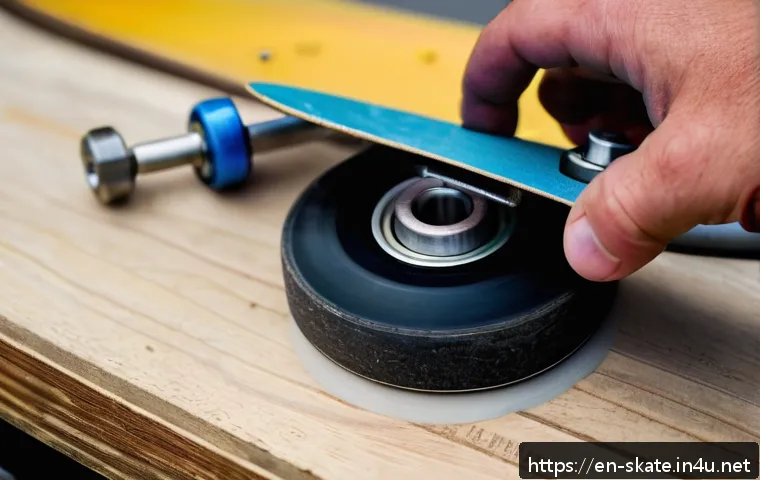
Bearings should be cleaned and lubricated every few weeks if you skate frequently, as dirt buildup can slow you down and cause squeaking. I learned this the hard way after a muddy session when my bearings seized up completely!
Also, inspect your deck for cracks or delamination—riding on a compromised deck is risky and can lead to injuries. Simple maintenance routines can extend your board’s life by months or even years.
Mastering Skateboarding Techniques Step-by-Step
Getting Comfortable with the Basics
Before diving into tricks, mastering the basics like pushing, balancing, and turning is essential. The way you position your feet and how you distribute your weight can drastically affect your control.
When I first started, I spent hours just cruising around the block, focusing on my stance and smooth pushes. It might sound boring, but this foundation made learning tricks like ollies and kickflips much easier.
Remember, consistency beats rushing—if you’re shaky on your balance, tricks won’t stick.
Progressing to Ollies and Manuals
The ollie is the gateway trick for almost everything else in skateboarding. It’s a combination of popping the tail and sliding your front foot forward to lift the board off the ground.
I found it helpful to practice ollies on grass or carpet first to get the motion without the board rolling away. Manuals, or wheelies, teach balance on two wheels and improve your board control tremendously.
Both tricks demand patience and muscle memory, so don’t get discouraged if you don’t land them right away.
Common Mistakes and How to Fix Them
Many beginners struggle with timing their pop or not sliding the front foot enough during an ollie, leading to low or failed jumps. I used to scoop my foot too hard, causing my board to spin unintentionally.
The fix? Slow down the motion, focus on sliding the front foot gently but firmly, and keep your knees bent to absorb the landing. Another frequent issue is leaning too far forward or backward during manuals, which can throw off your balance.
Practicing near a rail or wall can help you develop that balance safely.
Safety Gear and Injury Prevention Tips Every Skater Should Know
Essential Protective Gear for All Levels
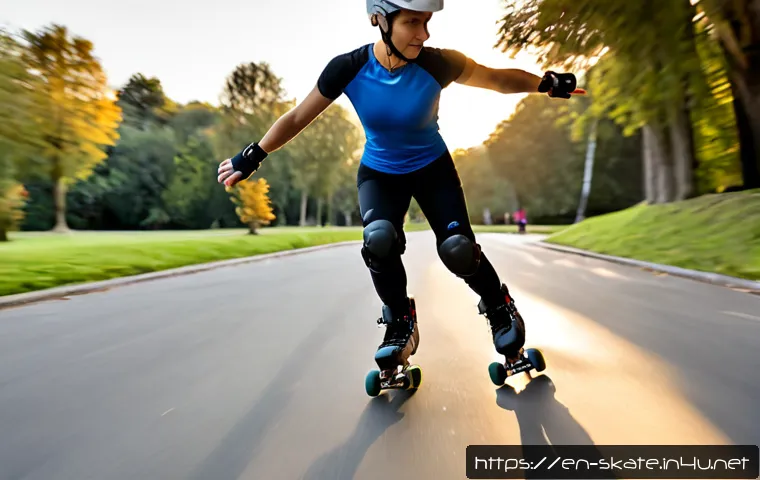
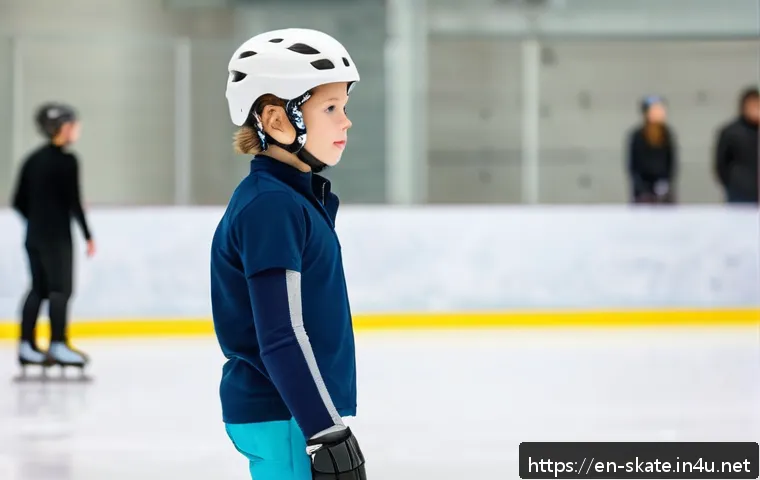
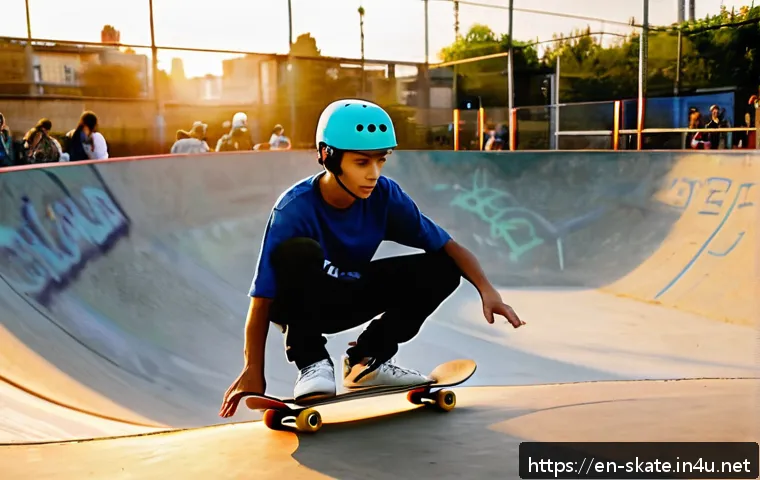
Even if you’re just cruising around or trying basic tricks, wearing safety gear is a must. Helmets protect your head from serious injuries, and wrist guards can prevent fractures if you fall forward.
Knee and elbow pads cushion impacts and save you from scrapes that can otherwise take weeks to heal. I remember ignoring wrist guards during my early days and ended up with a painful sprain that set me back for weeks—definitely not worth the risk.
Investing in quality gear that fits well makes a world of difference in comfort and protection.
How to Fall Safely and Reduce Injury Risk
Falling is inevitable in skateboarding, but learning how to fall can minimize injuries. Try to roll or slide instead of landing on your hands or outstretched arms.
Tucking your chin and using your forearms to absorb impact also helps. When I started focusing on fall techniques, I noticed that my injuries became less severe, and my confidence grew since I wasn’t as scared of falling anymore.
Practicing controlled falls on softer surfaces like grass can help build this skill.
Recognizing When to Take a Break
Skateboarding can be physically demanding, and pushing through pain often leads to injury. Listen to your body—if you feel persistent pain or fatigue, it’s better to rest and recover.
Overuse injuries like tendonitis are common among skaters who ignore these signs. I’ve learned that taking short breaks during long sessions keeps me fresh and actually improves my focus and performance.
Remember, skating should be fun, not painful.
Understanding Skateboarding Culture and Community
How Skateboarding Became a Global Lifestyle
Skateboarding’s roots go way back to the 1950s, evolving from a simple pastime to a full-fledged culture that blends art, fashion, and music. What’s fascinating is how this sport connects people from all walks of life—skaters often bond over shared struggles and triumphs.
The community vibe is unlike any other sport I’ve experienced; it’s supportive but pushes you to be your best. Whether you’re skating at a local park or watching pros at a major competition, the energy is infectious.
Finding Your Local Skate Spot and Crew
Every city has its hidden skate spots, from smooth plazas to graffiti-covered bowls. Finding these places often means connecting with local skaters who know the best spots and the unwritten rules.
When I moved to a new city, joining a local skate group was the fastest way to improve and feel welcomed. These crews not only share tips but also organize sessions and events that keep the scene alive and inclusive.
Respecting Skate Etiquette and the Environment
Skateboarding comes with its own set of etiquette to keep things safe and fun for everyone. For example, don’t cut in line at a busy skate park, always respect private property, and avoid skating in areas where it’s prohibited.
I’ve seen firsthand how ignoring these rules can lead to conflicts or even bans from popular spots. Also, many skaters are passionate about keeping their spots clean and graffiti-positive, preserving the culture for future generations.
Skateboard Maintenance and Troubleshooting Common Issues
Fixing Wheel Bite and Truck Problems
Wheel bite occurs when the wheels touch the deck during sharp turns, causing sudden stops that can throw you off balance. This is usually due to trucks being too tight or wheels being too large for your deck.
I once had a nasty fall from wheel bite until I swapped to smaller wheels and loosened my trucks a bit. If your trucks squeak or feel too loose, adjusting the kingpin nut carefully can restore smooth turning.
Regularly checking these parts can prevent annoying issues and improve ride quality.
Dealing with Flat Spots and Bearing Failures
Flat spots on wheels happen when you slide or brake hard, causing a rough ride and extra noise. While some skaters embrace this as part of the learning process, it can slow you down and make tricks harder.
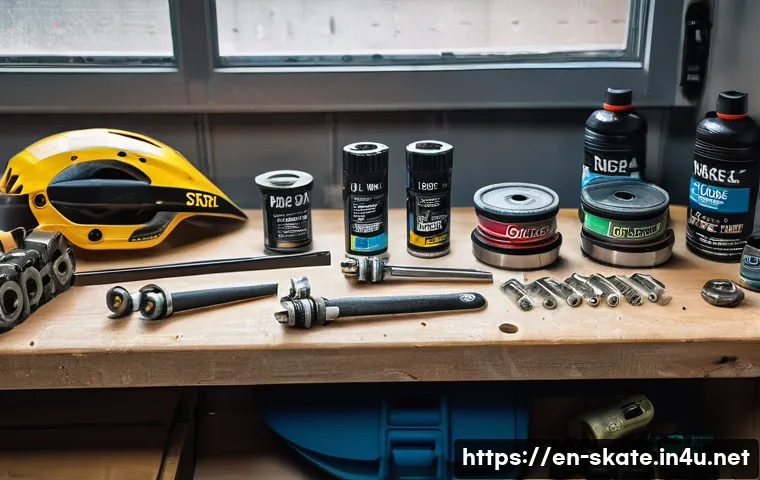
Bearings also need attention; if you hear grinding or feel your wheels not spinning freely, it’s time to clean or replace them. I keep a small toolkit handy for on-the-go adjustments, which has saved me from walking home with a broken board more than once.
When to Replace Your Deck and Components
A skateboard deck usually lasts several months to a few years depending on use and care. Look for cracks, splinters, or significant warping as signs you need a new deck.
Trucks should be replaced if the axles bend or the bushings crack, while wheels need swapping when they become too worn or uneven. I track my gear’s wear and tear in a simple log, which helps me plan upgrades without surprises during sessions.
Skateboarding Events and Competitions to Watch or Join
Popular Global Competitions and What to Expect
Events like the X Games, Street League Skateboarding, and the Dew Tour showcase the best skaters pushing the limits. Watching these competitions is inspiring and educational; you get to see the latest tricks and styles firsthand.
I once attended a local qualifier event, and the atmosphere was electric—skaters and fans cheering, music pumping, and new friendships forming. Whether you’re competing or spectating, these events celebrate the spirit of skateboarding.
How to Prepare for Your First Competition
If you’re thinking about entering a contest, preparation goes beyond just practicing tricks. Getting comfortable with the competition environment, warming up properly, and managing nerves are key.
I remember my first event where I was so nervous my hands shook, but focusing on deep breaths and visualizing my runs helped calm me. Also, make sure your gear is in top shape and bring backups just in case.
Finding Local Skate Clinics and Workshops
Many skate shops and community centers offer clinics or workshops for skaters of all levels. These sessions are great for personalized coaching and meeting other skaters.
When I attended a beginner clinic, the hands-on tips from experienced instructors accelerated my progress more than hours of solo practice. Plus, the social aspect makes skating more enjoyable and less intimidating.
Comparing Skateboard Brands and Gear Quality
Popular Deck Brands and Their Unique Features
Brands like Element, Baker, and Plan B are known for their durable decks and distinct graphics, but each has its own vibe. Element tends to focus on eco-friendly materials, which I appreciate as someone who cares about sustainability.
Baker decks are praised for their pop and resilience, making them favorites among street skaters. Trying different brands helped me find what felt right underfoot—don’t hesitate to experiment.
How to Spot Quality Bearings and Wheels
Bearings are often rated by ABEC numbers, but in skateboarding, smoothness and durability matter more than the rating alone. Brands like Bones Swiss are legendary for their performance.
For wheels, hardness (durometer) affects grip and slide; softer wheels are better for rough surfaces, while harder wheels suit smooth parks. When I upgraded to Bones wheels, I immediately noticed better control and speed.
Budget-Friendly Gear vs. Premium Options
It’s tempting to buy the cheapest gear, especially when starting out, but investing a bit more upfront can save frustration and costs later. Budget gear may wear out quickly or perform poorly, while premium options offer better materials and craftsmanship.
That said, not everyone needs the top-tier gear from day one. I recommend starting with mid-range products and upgrading as your skills and commitment grow.
| Gear Type | Recommended Size/Specs | Best For | Personal Tip |
|---|---|---|---|
| Deck | 7.5″ – 8.25″ width | Street (narrow), Vert (wide) | Try different sizes before committing |
| Wheels | 50mm-60mm, 78A-101A hardness | Street (smaller, harder), Cruising (larger, softer) | Match wheel hardness to your skating surface |
| Trucks | Width close to deck width | Wide for ramps, narrow for street | Adjust tightness for turning preference |
| Bearings | ABEC 5-7 or Bones Swiss | All-around smoothness and speed | Clean and lubricate regularly |
| Safety Gear | Properly fitted helmet, pads | All levels | Don’t skip wrist guards |
Wrapping Up
Choosing the right skateboard setup tailored to your style makes all the difference in your skating experience. From selecting the perfect deck and wheels to mastering techniques and staying safe, every detail counts. Remember, skateboarding is as much about enjoying the ride as it is about progression. Keep practicing, stay curious, and most importantly, have fun out there on your board!
Useful Tips to Keep in Mind
1. Test different deck sizes and shapes before settling on one to find what truly fits your skating style and comfort.
2. Match your wheels and trucks to the terrain you most often skate on to maximize performance and control.
3. Maintain your skateboard regularly by cleaning bearings and checking for deck damage to extend its lifespan.
4. Always wear proper protective gear, even during casual rides, to reduce injury risks significantly.
5. Engage with your local skate community to discover new spots, learn etiquette, and enjoy skating with others.
Key Takeaways
Choosing the right skateboard components and understanding their impact on your riding style is essential for both beginners and experienced skaters. Regular maintenance ensures your board performs well and lasts longer, while wearing safety gear protects you from common injuries. Building solid foundational skills before progressing to advanced tricks helps avoid frustration and injury. Lastly, immersing yourself in the skate culture and community enriches your experience and keeps the passion alive. Remember, skating is a journey—embrace each step with patience and enthusiasm.
Frequently Asked Questions (FAQ) 📖
Q: What type of skateboard is best for beginners?
A: When I first started skateboarding, I found that a standard street skateboard with a deck width between 7.5 and 8 inches works best for beginners. It offers a good balance of stability and maneuverability, making it easier to learn basic tricks and cruising.
Avoid getting overly specialized boards like longboards or cruisers initially because they handle differently and might slow down your progress. Also, make sure the trucks and wheels are medium hardness—soft wheels are great for rough surfaces, but harder wheels roll faster on smooth pavement.
Choosing the right setup can make learning way less frustrating and way more fun.
Q: How can I improve my skateboarding tricks faster?
A: From my own experience, the key to mastering tricks quickly is consistent, focused practice combined with breaking down each trick into smaller, manageable steps.
Don’t just try to land the full trick over and over; instead, practice the foot positioning, balance, and timing separately. Watching slow-motion videos of pros and recording yourself can highlight subtle errors you might miss otherwise.
Also, skate with friends or join a local skate community—having people around who push you and give feedback can speed up your improvement exponentially.
Remember, patience is crucial; progress might feel slow at times, but every attempt builds your muscle memory.
Q: What safety gear should I always wear while skateboarding?
A: I can’t stress this enough—wearing proper safety gear is a game-changer for your confidence and injury prevention. At minimum, always use a certified skateboard helmet, wrist guards, knee pads, and elbow pads.
I used to skip pads when just cruising, but after a few nasty falls, I realized they’re essential even for casual riding. The wrist guards protect you from common wrist fractures, and knee and elbow pads save you from scrapes and bruises that can keep you off the board for days.
Investing in quality gear that fits well makes it more comfortable to wear and encourages you to keep it on every time you skate. Safety first means more time shredding without setbacks!