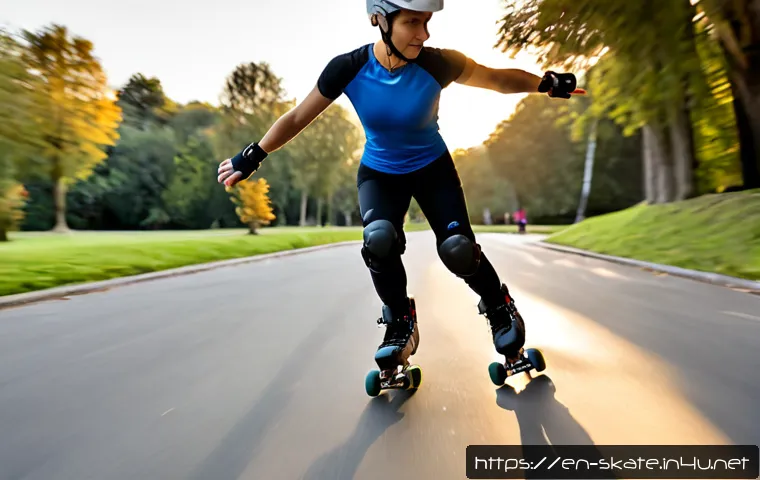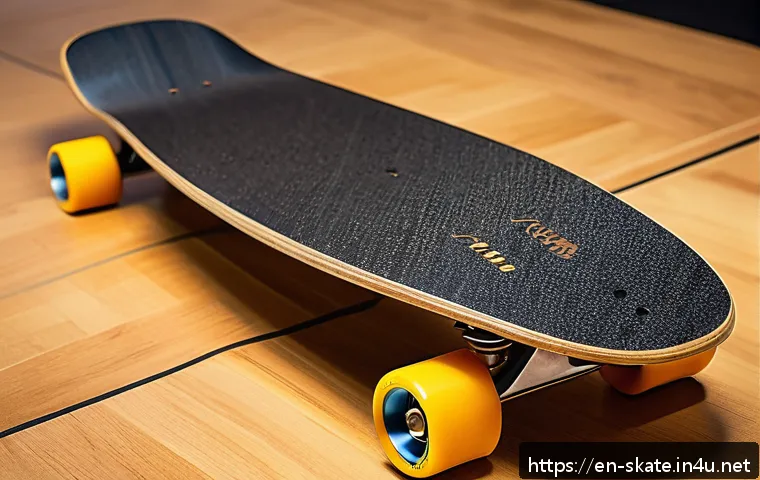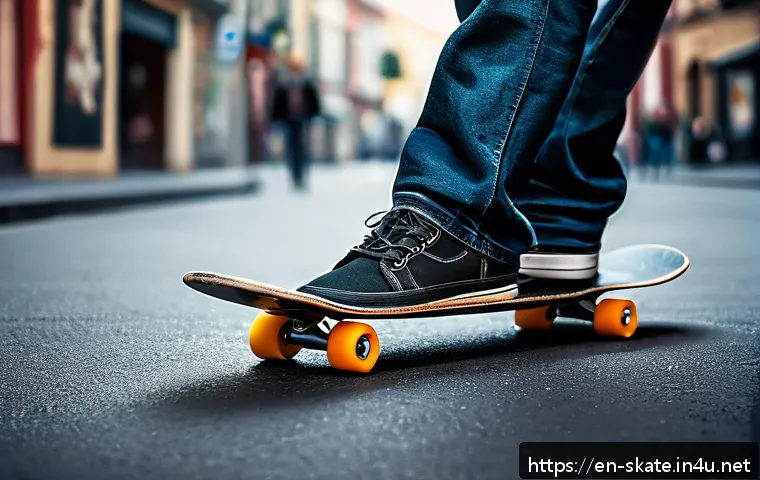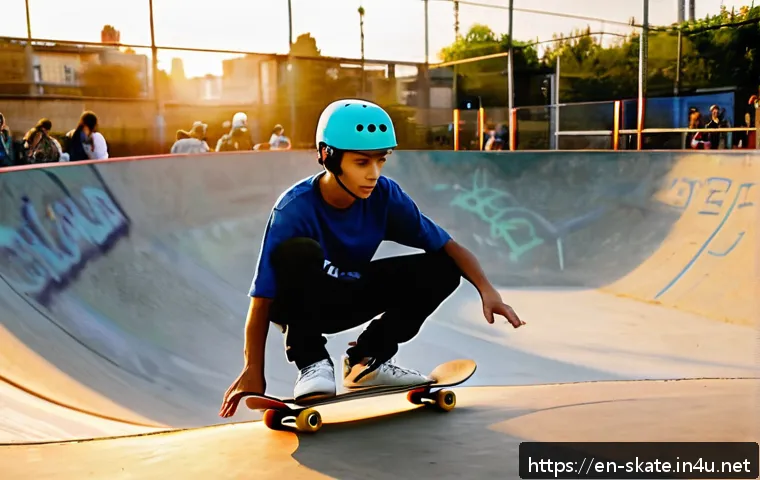
Hey fellow riders! If you’re anything like me, the hunt for that perfect skate spot is a never-ending thrill. There’s an undeniable magic in discovering a new stretch of buttery smooth pavement, eyeing up a challenging set of stairs, or stumbling upon a DIY park that just screams passion.
I’ve personally spent countless hours scouring maps, following local tips, and yes, even taking a few spills along the way, all in the name of finding that next epic session.
The skate world is constantly evolving, with fresh urban landscapes offering new possibilities and the global community pushing boundaries faster than ever, from Olympic recognition to grassroots movements online.
From hidden street gems that test your technical skills to world-class parks designed for pure flow and community, the possibilities are genuinely endless.
I’m stoked to share my firsthand experiences and the lowdown on how to unearth these amazing spots, ensuring you always know where to roll. So, if you’re ready to unlock the secrets to discovering incredible skate havens and truly make the most of your board, let’s get right into it!
Unearthing the Urban Canvas: My Favorite Ways to Scout
Hitting the Pavement: The Old-School Recon Mission
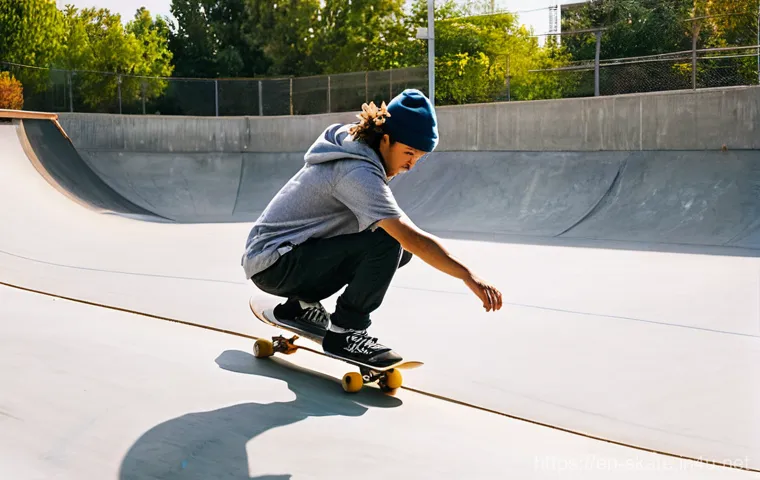
There’s something undeniably satisfying about lacing up your shoes, grabbing your board, and just exploring. For me, the best discoveries have often come from simply cruising through new neighborhoods.
I remember one sweltering summer afternoon in Brooklyn, I’d been checking out a lead from a friend about a killer ledge, but it turned out to be a bust.
Frustrated, I decided to just carve my way aimlessly through some side streets. That’s when I turned a corner and BAM – a perfectly sloped bank leading into a smooth, empty parking lot.
It wasn’t on any map, nobody had tipped me off, it was just waiting there, a pristine slice of concrete paradise. My eyes lit up! I spent the next two hours there, just me and my board, figuring out new lines and enjoying the sheer joy of an unexpected find.
It felt like uncovering a hidden treasure, and those spontaneous sessions often become the most memorable. The key here is to keep your eyes peeled for those subtle signs: the worn-down curb that indicates a popular manual pad, the smooth ground leading to a set of stairs begging to be gap-ollied, or the perfectly textured wall ride.
Don’t underestimate the power of simply getting out there and seeing what the streets have to offer.
Digital Digging: Leveraging Online Tools and Communities
While I love the thrill of an organic discovery, I’m also a huge fan of smart tech. Seriously, who isn’t these days? Google Maps and Street View are absolute game-changers for pre-scouting.
I’ve spent countless evenings zooming in on satellite images, looking for tell-tale signs of skate potential – wide-open plazas, empty schoolyards, or even industrial areas that might house some hidden gems.
It’s like being an urban archaeologist from your couch! Beyond that, online skate forums and local Facebook groups are goldmines. I once found out about an incredible DIY park that was literally built by riders in an abandoned warehouse, purely through a local Instagram tag.
People in these communities are usually stoked to share their knowledge, and sometimes even meet up for a session. Just remember to be respectful and contribute back when you can.
Sharing is caring, especially in the skate scene! It’s all about finding that balance between digital sleuthing and real-world exploration to maximize your chances of finding those sweet spots.
Beyond the Apps: Tapping into Local Skate Culture
Connecting with the Locals: Your Best Source of Intel
Forget your typical tourist guides; when you’re looking for skate spots, the real experts are the people already rolling there. I’ve found that striking up a conversation with local skaters is probably the single most effective way to uncover the true gems of any city.
It’s not just about asking “where’s good to skate?” It’s about showing genuine interest, respecting their scene, and sharing a little about your own experiences.
I remember traveling through Portland, Oregon, and after a short session at Burnside, I ended up chatting with a couple of locals. They didn’t just tell me about another park; they led me to a lesser-known, incredible slappy curb spot that only the true insiders knew about.
It was tucked away behind some businesses, completely unmarked, and offered some of the best flow I’d experienced all trip. That kind of local knowledge is invaluable.
So, next time you see someone shredding, don’t be shy! A simple “Hey, nice trick!” can open up a world of new skate possibilities.
Supporting Local Skate Shops and Brands
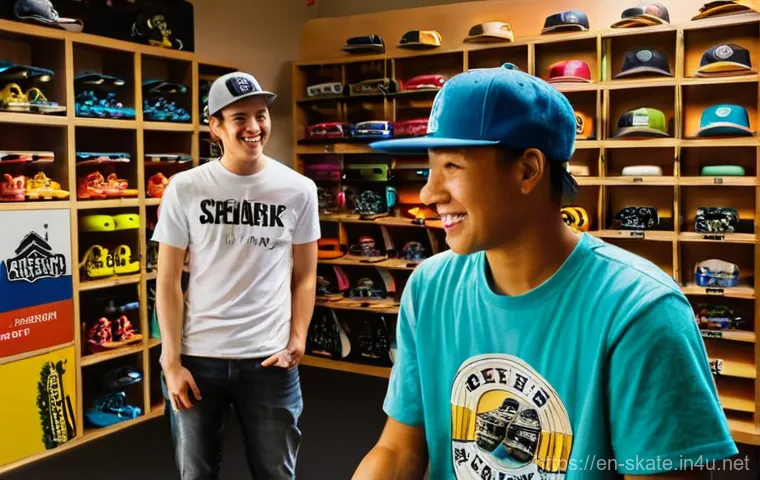
If there’s a heartbeat to any skate community, it’s usually found pulsating within the local skate shop. These places aren’t just for buying new decks and gear; they are true cultural hubs, often plastered with flyers for local events, team videos playing on loop, and staff who live and breathe skateboarding.
I’ve made it a habit, whenever I roll into a new town, to pop into the local shop. Not only do I often find unique local brand gear, but I also get the freshest lowdown on spots directly from the people who work there.
They usually know everything from newly paved areas to underground sessions. Plus, by supporting them, you’re helping keep the local scene alive, which ultimately means more and better places to skate.
Think of it as investing in your own future shredding experiences! I’ve walked into shops in places like Barcelona and instantly felt at home, leaving with not just a new set of wheels, but a treasure map of hidden spots.
The Art of Spot Assessment: What Makes a Gem Shine?
Beyond the Obstacles: Surface, Flow, and Foot Traffic
When I finally find a potential spot, my first instinct isn’t to immediately throw down a trick. Instead, I take a moment to really assess it. It’s like a visual checklist running through my head.
The surface is paramount – rough asphalt can ruin a session (and your wheels!) faster than anything. I’m looking for smooth concrete, ideally well-maintained and free of major cracks or debris.
Then there’s the flow. Is there enough run-up and landing space for a trick? Can you link multiple obstacles together?
A spot might have an epic rail, but if the ground leading up to it is busted, it’s a no-go. And don’t forget foot traffic! A bustling sidewalk might seem like a cool backdrop, but constantly dodging pedestrians (or worse, getting yelled at) kills the vibe.
I learned this the hard way trying to session a famous ledge in downtown LA – ended up spending more time apologizing than actually skating. The perfect spot often has a good balance of interesting features and enough isolation to let you really get into your zone without constant interruptions.
Reading the Room: Unwritten Rules and Vibe Checks
Every skate spot, especially street spots, comes with its own set of unspoken rules and a distinct vibe. It’s crucial to be perceptive and respect the local etiquette.
Is it a known bust? Are there “no skateboarding” signs that people generally ignore, or ones that are strictly enforced? What’s the general atmosphere like?
Are skaters friendly and welcoming, or is it a more exclusive, local-only kind of place? I’ve rolled up to spots before where the energy just felt off, and sometimes it’s better to trust your gut and move on.
Conversely, some spots just radiate good vibes – everyone hyping each other up, sharing water, even lending a board if someone breaks theirs. These are the places you want to spend your time.
Observing for a few minutes before dropping in, and maybe chatting with a few people, can save you a lot of grief and ensure you have a truly enjoyable, respectful session.
It’s all part of the unique dance of skate culture.
DIY Dreams and Community Havens: Building Your Own Legacy
The Heart of the Scene: Why DIY Spots Matter
There’s a special place in my heart for DIY skate spots. These aren’t your professionally designed, sprawling concrete parks; they’re gritty, organic, and often born out of pure passion and community effort.
They represent the true spirit of skateboarding – creativity, perseverance, and building something from nothing. I’ve personally helped pour concrete, grind down rebar, and paint obstacles at a few DIY spots over the years, and there’s an immense sense of ownership and pride that comes with it.
These places are usually built on forgotten patches of land, under bridges, or in abandoned lots, transforming neglected spaces into vibrant hubs of activity.
You’ll find some of the most innovative and raw skateboarding happening at these spots because the obstacles themselves are often unconventional. It’s a testament to what a dedicated group of skaters can achieve when they put their minds (and backs!) into it.
The energy at a DIY spot is often electric, a genuine reflection of the collective effort.
Contributing to the Grind: Getting Involved and Giving Back
If you find a DIY spot in your area, or even just a well-loved street spot that could use some TLC, consider getting involved. It’s not always about grand gestures; sometimes it’s just picking up trash, sweeping the ground before a session, or bringing a shovel to clear away some dirt.
I’ve brought bags of concrete mix to help patch up a crucial landing, shared tools, or simply offered a hand when someone was struggling to move a heavy obstacle.
These small acts of contribution not only make the spot better for everyone but also foster a stronger sense of community. It’s about more than just skating; it’s about nurturing the environment that allows us to pursue our passion.
You’ll earn respect, make new friends, and feel a deeper connection to the local skate scene. Trust me, the feeling of riding an obstacle you helped create or maintain is incredibly rewarding – it’s a direct connection to the legacy of skateboarding.
| Spot Type | Pros | Cons | Ideal For |
|---|---|---|---|
|
Skate Parks (Public/Private) |
Designed for skaters, wide variety of obstacles, smooth surfaces, often well-lit, community vibe. |
Can get crowded, sometimes restrictive rules, may require fees, less ‘street’ feel. |
Learning new tricks, flowing lines, all skill levels, consistent sessions. |
|
Street Spots (Urban) |
Endless creativity, natural obstacles, constant new challenges, raw and authentic, free. |
Potential for busts, rougher surfaces, inconsistent features, traffic/pedestrians, legal issues. |
Experienced street skaters, technical tricks, creative problem-solving, real-world adaptation. |
|
DIY Spots (Community Built) |
Unique obstacles, strong community, sense of ownership, often less regulated, authentic. |
Can be rough, limited amenities, constantly evolving (sometimes disappearing), potential safety hazards. |
Creative skaters, community involvement, raw expression, pushing boundaries, challenging sessions. |
Safety First, Shred Later: Essential Spot Etiquette
Navigating Shared Spaces: Respecting Others and Your Surroundings
While the thrill of discovering a fresh spot is exhilarating, it’s absolutely crucial to remember that we often share these spaces with others – whether it’s pedestrians, other park users, or even businesses.
I’ve learned over the years that a little bit of courtesy goes a long way in ensuring spots stay skateable. For instance, if you’re hitting a curb in a shopping center, try to pick a time when foot traffic is low.
If kids are playing in a public park, maybe save your big airs for a different area. I vividly recall a time I got too caught up in trying to land a trick and nearly took out a dog walker.
It was a humbling moment, and it really drove home the point that we’re ambassadors for skateboarding. Always be aware of your surroundings, be polite if asked to move (even if it’s annoying), and never leave trash behind.
A clean spot is a happy spot, and a happy spot is less likely to get shut down. Let’s make sure our passion doesn’t become a nuisance for others.
Gear Up and Be Prepared: Protecting Yourself and Your Board
Beyond respecting others, it’s just as important to respect your own body and your gear. I’ve had my fair share of slams (who hasn’t?), and while scrapes and bruises are part of the game, serious injuries can be avoided with a bit of foresight.
Always assess the spot for potential hazards like loose gravel, cracks, or slippery surfaces before you commit to a line. If you’re pushing your limits, consider wearing a helmet or pads – there’s no shame in protecting yourself, especially at a gnarly new spot.
I once neglected to check the run-out on a new set of stairs and ended up with a severely sprained ankle because I hit a sudden patch of loose dirt. My board also took a beating!
A quick sweep of the area, a check of your wheels and trucks, and ensuring your shoes have good grip can make all the difference between an epic session and an early trip home.
Be smart, stay safe, and your board will thank you for it too.
When Travel Calls: Discovering Skate Parks Abroad
Pre-Trip Research: Your Digital Reconnaissance Mission
Traveling to a new country with your board is one of the most exciting experiences a skater can have. It’s not just about seeing new sights; it’s about experiencing new skate cultures and finding fresh terrain.
Before I even book my flight, my digital sleuthing goes into overdrive. I dive deep into Instagram hashtags specific to the city and “skatepark [city name]” on Google.
YouTube vlogs are another goldmine – you can often get a real-world feel for a park’s layout and vibe. I remember planning a trip to Berlin, and through extensive online research, I uncovered not just the famous parks but also a handful of lesser-known street spots frequented by locals, complete with approximate coordinates!
That kind of preparation allows you to maximize your shred time and avoid wasting precious moments searching. Checking local skate shop websites is also a fantastic way to find events or meet-ups happening during your visit.
It transforms a regular trip into a full-blown skate adventure, trust me.
Embracing the Unexpected: Cultural Differences and New Friends
Once you’re actually there, especially in a foreign country, be open to everything. Skate culture might manifest differently than what you’re used to.
Language barriers can exist, but the universal language of skateboarding often transcends words. I’ve had some incredible sessions in places like Japan and Mexico where we communicated almost entirely through gestures and shared stoke.
There was this one time in Tokyo, I was struggling with a particular manual pad, and a local skater, seeing my frustration, simply offered a small adjustment to my body weight without saying a word.
It clicked instantly! These are the moments that truly enrich your travel experiences. Be respectful of local customs, try a few basic phrases in their language, and always be ready to share a smile or a fist bump.
You’ll not only find amazing spots but also build connections and memories that last a lifetime, far beyond the concrete.
Maximizing Your Session: From First Push to Last Trick
Warm-ups and Cool-downs: Prepping Your Body for the Grind
Okay, I know, I know – stretching and warming up isn’t the coolest part of skating. But seriously, it makes a world of difference. After years of just hopping on my board cold, I started incorporating a quick 5-10 minute warm-up, and my body (and my progression!) thanked me for it.
A few dynamic stretches, some light cruising, and getting a feel for the board before trying anything heavy. It helps prevent injuries and makes your muscles more pliable, meaning you’ll land more tricks and feel less stiff afterward.
I once pulled a hamstring trying to kickflip a gap without warming up, and it sidelined me for weeks. Never again! And don’t forget the cool-down.
A few static stretches after a session can help with muscle recovery and flexibility. Treat your body like the finely tuned machine it is, and it will serve you better on your board.
This isn’t just about avoiding pain; it’s about making every session more effective and enjoyable.
Setting Goals and Embracing the Process
When you arrive at a new spot or even your regular haunt, it can be tempting to just flail around trying everything. While there’s certainly a time for that freeform expression, I’ve found that having a clear goal for each session dramatically improves my progression and overall satisfaction.
Maybe it’s landing a specific trick on a new obstacle, or perfecting a line through a park. Even if it’s just “get comfortable riding switch on this bank,” having that target gives your session purpose.
I remember one time I spent an entire hour just trying to perfectly slide a curb I’d never touched before. It was frustrating, but when I finally got that smooth, satisfying slide, the feeling of accomplishment was immense.
Don’t be afraid to take breaks, watch other skaters, and most importantly, embrace the process. Not every trick will come easily, and that’s okay. The journey, the falls, the attempts – that’s where the real learning and joy of skateboarding lie.
Every session is a chance to grow, on and off the board.
Closing Thoughts
The journey of discovering new skate spots, whether it’s a hidden gem tucked away in an alley or a vibrant park bustling with energy, is what truly fuels our passion.
It’s more than just finding concrete and obstacles; it’s about the adventure, the people you meet, and the stories you collect along the way. I’ve realized that the best spots aren’t always the most famous ones, but rather those that resonate with your own skating style and bring a genuine smile to your face.
Keep exploring, stay curious, and never forget the sheer joy that comes from pushing around a corner and finding that perfect piece of pavement just waiting for you.
Every push, every turn, every slam, and every landed trick adds to the incredible tapestry of our shared skateboarding experience. It’s a lifestyle, a constant hunt for that next perfect session.
Useful Information
1.
Be a Local Sherlock: Don’t underestimate the power of simply walking or cruising through new areas. The most incredible spots are often found serendipitously, just waiting to be discovered off the beaten path. Keep your phone handy for quick notes or photos of potential spots you might want to revisit. Always have your radar on for those subtle signs of good skate terrain.
2.
Connect and Contribute: Engage with local skaters, visit skate shops, and participate in online forums. Local knowledge is absolutely invaluable. If you find a DIY spot, consider lending a hand, even if it’s just picking up trash. Contributing to the scene fosters a stronger community and helps keep spots alive and thriving for everyone to enjoy.
3.
Master Your Digital Tools: Utilize Google Maps, Street View, and social media hashtags (e.g., #skate[cityname]) for effective pre-scouting. These tools can save you hours of aimless searching and often reveal spots that aren’t widely known. They’re perfect for planning out routes and getting a feel for the terrain before you even step on your board.
4.
Prioritize Safety and Etiquette: Always be mindful of your surroundings, pedestrians, and local rules. A little respect goes a long way in ensuring spots remain skateable. Also, protect yourself by warming up, cooling down, and considering protective gear, especially when tackling new or challenging obstacles. Your body will thank you in the long run.
5.
Embrace the Skate Journey: Every session, every spot, whether it’s a huge park or a tiny curb, offers a unique experience. Set small goals, celebrate your progress, and learn from your falls. Skateboarding is a continuous process of learning, adapting, and finding joy in the grind. The real treasure isn’t just the spot itself, but the entire adventure of finding and riding it.
Key Takeaways for the Dedicated Shredder
Your Skate Journey, Your Rules
Ultimately, the world is your skatepark, and every street, every plaza, every abandoned lot holds potential. What I’ve really learned over the years is that the true magic of skateboarding lies in the continuous pursuit of new experiences. Don’t be afraid to veer off the well-trodden path, to strike up a conversation with a stranger who shares your passion, or to lend a hand in building a community spot. These are the moments that truly enrich your time on four wheels. From meticulously mapping out potential spots on Google to the pure serendipity of stumbling upon an untouched gem, every method contributes to the tapestry of your personal skate story. Remember, the spots we discover are not just places to land tricks, but stages for unforgettable memories, lessons learned, and friendships forged. Keep your eyes open, your board ready, and your spirit stoked – the next legendary spot is always just around the corner, waiting for your wheels to grace its surface. It’s about the freedom, the flow, and the endless possibilities that skateboarding offers, constantly pushing us to explore, adapt, and create our own paths.
Frequently Asked Questions (FAQ) 📖
Q: So, how do you actually find those amazing hidden gems and local skate parks you always talk about? It feels like I’m always hitting the same old spots!
A: Oh, I totally get that feeling of being stuck in a rut, eyeing the same worn-out ledges! Trust me, I’ve been there. My secret sauce for unearthing new skate havens is a combo of digital sleuthing and good old-fashioned street wisdom.
First off, I swear by skate spot apps like SkateSpots and Smap. These are lifesavers, seriously! They have massive user-generated databases, often with photos, reviews, and even GPS directions.
It’s like having a global skate buddy in your pocket. I’ve found some absolute gold mines just by scrolling through them, especially when I’m traveling to a new city.
Apps like Loke are also fantastic for connecting with local communities and discovering spots through challenges and shared content. Beyond the apps, Google Maps’ satellite and Street View are my best friends for pre-scouting.
I’ll spend hours just virtually cruising around industrial areas, schoolyards (on weekends, of course!), and even unexpected office parks, looking for promising terrain – smooth pavement, interesting architecture, ledges, or natural banks.
When something catches my eye, I drop a pin. Then, it’s about hitting the streets on my board or even a bike; sometimes, what looks flat on a map has the most incredible natural flow in person!
Don’t be afraid to just explore. Some of my favorite spots were stumbled upon during random afternoon pushes, just following a good vibe or a cool-looking street.
And hey, always keep an ear to the ground! Chatting with local skaters at shops or even just at the park can lead to the best insider tips. They often know the true hidden gems.
Q: What makes a skate spot truly “perfect” for you, and how can I find spots that match my specific skating style?
A: That’s a brilliant question, because “perfect” is such a personal thing, right? For me, a truly perfect spot resonates with my mood for the day. Sometimes, it’s about that buttery-smooth, freshly paved flat ground where I can just cruise and feel the flow.
Other times, I’m craving a challenging street setup with unique ledges, a gnarly set of stairs, or a perfect rail that tests my technical skills. And then there are those days when only a well-designed park with smooth transitions, deep bowls, and killer coping will do.
It’s all about variety and what sparks that inner stoke! To find spots that align with your style, think about what you love to skate. Are you a technical street skater who dreams of perfecting grind and slide combinations?
Then focus your search on urban areas, looking for benches, handrails, and ledges. Apps often let you filter by obstacle type, which is super helpful.
If you’re all about flowing through transitions and airing out, then dedicated skate parks, especially those with bowls and ramps, are your playground.
If you’re into DIY spots, these often have a raw, creative energy that’s hard to beat and are fantastic for finding unique, hand-built obstacles. My advice?
Don’t just look for a spot; look for elements. Does it have good run-up? A nice landing?
What’s the surface like? A little rough can be fun, but too much pebble can be a buzzkill. Pay attention to what pros in videos are skating too – often you can reverse-engineer those locations using tools like Google Maps or by recognizing local landmarks.
Finding your perfect spot is about knowing yourself and what kind of session makes your heart pump!
Q: When I find a new spot or visit a busy skate park for the first time, what are the unspoken rules or safety tips I should keep in mind to have a good session and not annoy anyone?
A: Navigating a new spot or a busy park can feel a bit like walking onto a stage for the first time – you want to perform well and not step on anyone’s toes!
Trust me, I’ve had my share of awkward moments, but a little common sense and respect go a long way. The biggest unspoken rule is “know the flow” and “wait your turn.” Skateparks, especially, have an almost invisible traffic system.
Watch for a bit before you drop in to understand where people are moving, their lines, and when it’s safe to go. Don’t “snake” someone’s line by cutting in front of them, even if you think you have an opening.
Patience is key, and everyone appreciates someone who isn’t a hazard! Safety-wise, always, always, always wear a helmet, especially if you’re trying new tricks or in a busy environment.
Seriously, your brain will thank you. Consider wrist guards, knee, and elbow pads too, especially if you’re still getting comfortable or hitting bigger obstacles.
Also, be mindful of your surroundings. Don’t sit on obstacles or leave your bag in the middle of a landing zone – clear the area for others. And this one’s from personal experience: if you’re filming, make sure your setup isn’t blocking anyone’s path.
Finally, be cool, be friendly! A simple nod, a “what’s up,” or even clapping for someone who lands a rad trick can instantly make you part of the community.
We’re all there for the love of skating, and a positive vibe makes every session better. If you accidentally get in someone’s way or cause a near-miss, a quick “my bad!” goes a long way.
Respect the locals, respect the spot, and most importantly, have a blast!