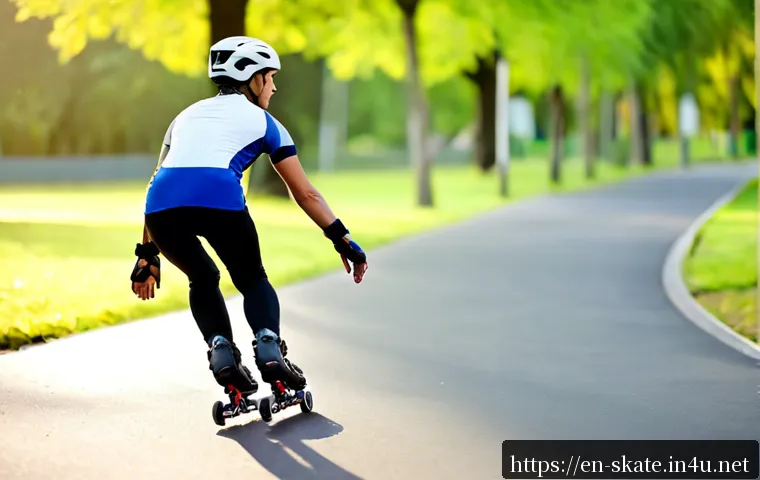
Skating can build cardiovascular fitness, leg strength, balance, and coordination while offering a lower-impact alternative to some running workouts. Compare fitness benefits, safety needs, gear choices, and lesson costs before starting.
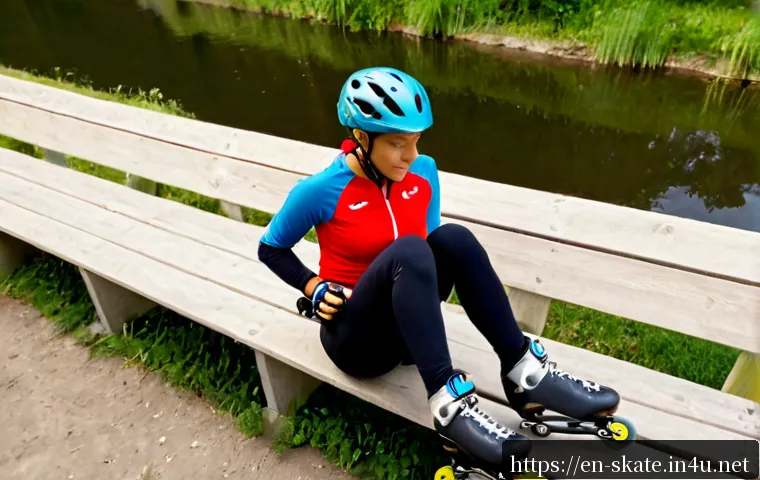
Skating can support aerobic fitness, leg strength, balance, and coordination when you skate at a pace and duration that raises your heart rate. It can be a practical cardio option for people who enjoy movement-based exercise, but fall risk, fit, surface conditions, and skill level matter.
Ice skating, quad roller skating, and inline skating all work the lower body, yet they differ in access, stopping methods, maintenance, and equipment needs. For many beginners, the first spending decision is not premium skates: it is whether protective gear, rink access, or a basic lesson will make regular practice easier and safer. Calorie use cannot be predicted from the activity alone because intensity, body size, technique, conditions, and session length all vary. The best setup is usually the one that fits your location, comfort level, budget, and fitness goal well enough to use consistently.
At a Glance
- Fitness: Skating can raise heart rate for aerobic exercise while repeatedly using the glutes, thighs, calves, hip stabilizers, and core.
- Safety: Good skate fit, suitable surfaces, stopping skills, and protective gear can reduce avoidable comfort and control problems.
- First purchase decision: Compare entry-level skates, local rink access, and beginner lessons before paying for premium equipment.
| Option | Typical Setting | Fitness and Skill Focus | Maintenance and Cost Considerations |
|---|---|---|---|
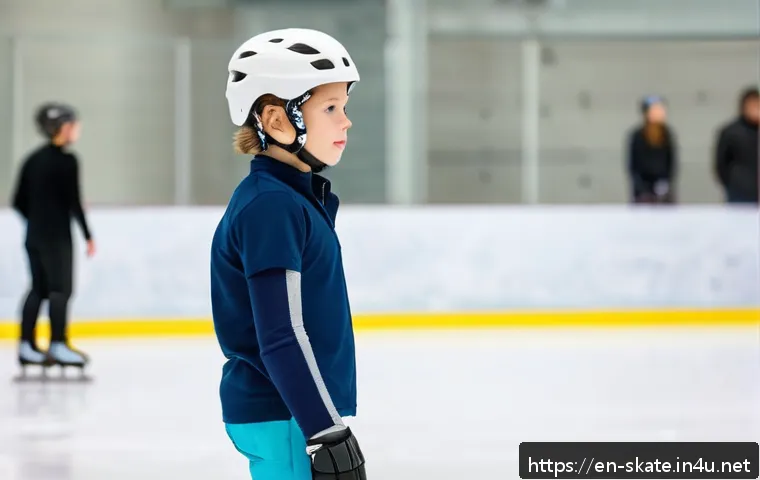
| Ice skates | Ice rinks and maintained ice surfaces | Balance, leg drive, edging, controlled stopping | Rink admission or passes may affect ongoing cost; blade condition and fitting matter. |
| Quad roller skates | Indoor skating floors and smoother outdoor areas | Balance, turning, basic control, recreational movement | Wheel condition, fit, and protective gear should be checked before regular use. |
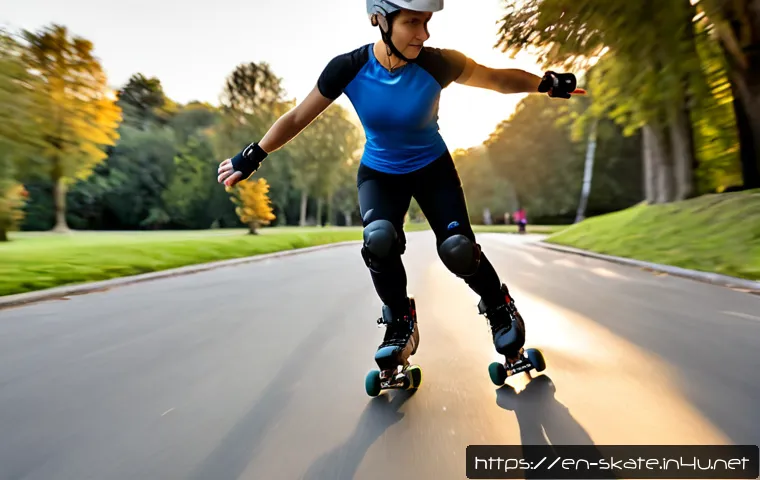
| Inline skates | Paths, trails, neighborhoods, and some indoor spaces | Forward glide, endurance, braking, outdoor awareness | Surface quality, wheel wear, braking setup, and safety equipment affect the total setup. |
What Skating Can Do for Cardio, Strength, and Balance
Skating can be a useful cardio workout because repeated lower-body movement may raise your heart rate, especially when pace and session duration increase. It also challenges balance in a way that steady walking or many machine-based workouts may not. The trade-off is that skating requires more control and carries a fall risk, particularly during early sessions.
The fitness systems skating challenges
The main working areas commonly include the glutes, quadriceps, hamstrings, calves, hip stabilizers, and core muscles. Your legs create repeated pushes, while your trunk and hips help maintain position over a moving base. This combination can make skating feel like both a leg workout and a coordination workout.
Why technique and pace change workout intensity
A relaxed glide and a faster, more continuous session are not the same workout. Intensity can change with pace, technique, terrain, rink conditions, stops, and how long you skate. For that reason, an exact calorie-burn number for an individual session requires more information than the activity name alone.
What skating does not replace in a balanced routine
Skating can be part of a broader routine, but it does not automatically cover every fitness need. A balanced approach may still include mobility work, strength work, recovery, and other forms of movement that you can perform comfortably. Consistency is generally more useful than relying on one demanding skating session.
How Skating Compares With Walking, Running, Cycling, and Gym Cardio
There is no universal “best” cardio activity. Skating may appeal to people who want a moving, skill-based workout, while walking may be simpler to start and cycling or gym cardio may offer more controlled conditions. Your comfort with balance, local access, and willingness to practice technique can matter as much as the workout style.
Impact, joint loading, and fall-risk trade-offs
Skating is often considered a lower-impact alternative to some running workouts because movement involves gliding rather than repeated foot strikes. However, lower impact does not mean no risk: falls, poor skate fit, rough surfaces, and weak stopping skills can create different concerns. Individual joint tolerance and medical suitability need personal consideration.
Skill level and consistency: which activity is easier to sustain?
Walking has a low skill barrier and can be convenient almost anywhere. Running can be simple to access but may not suit every person’s comfort level. Cycling and gym cardio depend on equipment or facility access. Skating has a larger learning curve, but people who enjoy the social or recreational side may be more motivated to return regularly.
Quick comparison table: fitness value, access, and ongoing cost
| Activity | Primary Consideration | Access and Convenience | Ongoing Cost Factors |
|---|---|---|---|
| Walking | Low skill barrier | Often easy to fit into daily life | Suitable footwear and safe routes |
| Running | Simple cardio format with repeated impact | Depends on comfortable routes and conditions | Running shoes and replacement needs |
| Cycling | Rhythm and endurance | Requires a bike and appropriate routes or indoor access | Bike maintenance and safety equipment |
| Gym cardio | Controlled equipment-based workout | Depends on home equipment or facility access | Membership, class, or equipment costs |
| Skating | Cardio plus balance and lower-body control | Depends on a rink, safe path, or suitable surface | Skates, protective gear, maintenance, lessons, or admission |
Ice Skates, Quad Roller Skates, or Inline Skates: Choosing the Right Fitness Setup
The right skate style depends mainly on where you will skate and how you want to use it. Ice skates suit rink-based practice, quads often suit recreational indoor skating, and inline skates are commonly considered for paths and outdoor movement. Do not choose by appearance alone; fit, control, and available practice space should lead the decision.
Which style suits rinks, trails, neighborhoods, and indoor sessions?
Choose ice skates if reliable rink access is part of your plan. Quad roller skates can suit indoor sessions and smoother areas where turning and recreational skating are priorities. Inline skates may fit outdoor routes, but uneven pavement, traffic, weather, and stopping space require extra attention.
Fit, wheel or blade maintenance, and comfort checks
Properly fitted skates can affect comfort, control, blister risk, and stability. Check whether the heel feels secure, whether the foot is cramped or sliding, and whether closure systems can be adjusted properly. For roller and inline skates, inspect wheels and braking components; for ice skates, consider blade condition and rink guidance.
Essential protective gear versus optional upgrades
Protective gear is a practical starting point, especially for beginners and outdoor skaters. A helmet and protection appropriate for common fall areas can be more valuable than decorative upgrades. Optional items may improve convenience or comfort, but they should not replace a reliable fit or basic safety setup.
Build a Safer Skating Workout Without Common Beginner Mistakes
A safer skating routine starts with controlled practice rather than speed. Build time gradually, use an appropriate surface, and stop when fatigue makes your posture or control worse. A short, repeatable session is often more useful than pushing through a session that becomes unstable.
Warm-up, progressive session length, and recovery
Begin with easy movement and give your body time to settle into the skating pattern. Increase duration or pace gradually as your comfort improves. Recovery needs vary, so pay attention to how you feel rather than assuming one schedule works for everyone.
Learn stopping and falling techniques before increasing speed
Stopping, turning, and falling safely are foundational skills. Beginners may benefit from structured skating lessons because instruction can focus on these practical skills, as well as rink or road etiquette. Faster skating without dependable stopping control can turn a fitness session into an unnecessary risk.
Surface checks, weather awareness, and when to stop
Before outdoor skating, inspect the route for uneven areas, debris, wet patches, traffic concerns, and limited stopping space. Weather can change surface safety quickly. Stop if conditions become unpredictable, equipment feels unstable, or fatigue is reducing your ability to react.
When Lessons, Rink Passes, or Better Equipment May Be Worth the Cost
Better equipment is not always the first upgrade that delivers value. For a new skater, a lesson package or regular rink access may be more useful if it creates a safe place to practice fundamentals. Compare what removes your biggest barrier: poor fit, lack of safe access, or lack of basic technique.
Signs that a beginner lesson can offer more value than premium skates
Consider lessons when you are unsure how to stop, turn, fall safely, or follow shared-space etiquette. These skills apply across many future sessions and may help you decide whether skating is an activity you will continue. Premium skates may be worth considering later when your needs, preferred setting, and fit requirements are clearer.
Comparing drop-in admission, multi-session passes, and home practice options
Drop-in admission can suit someone testing whether rink skating fits their routine. A multi-session pass may make sense only if the location, schedule, and frequency work for you. Home or outdoor practice can be convenient, but only where the surface and surroundings are appropriate for your current skill level.
Spending priorities for occasional, weekly, and committed skaters
Occasional skaters may prioritize comfortable entry-level gear and safe access. Weekly skaters may gain more from a dependable fit, compatible protective gear, and regular practice opportunities. Committed skaters can compare maintenance needs, rink programs, lesson progression, and equipment features that match their chosen environment.
Choosing the Best Skating Option for Your Fitness Goal
Match the format to the reason you want to skate. If your main goal is cardio, choose an option you can access regularly. If balance is the priority, favor a controlled setting where you can practice technique. For social recreation, a rink or group setting may make consistency easier; for outdoor recreation, route safety and braking control become more important.
Decision guide for cardio, balance, social activity, and outdoor recreation
For cardio, focus on a pace and session structure you can repeat. For balance training, choose controlled practice rather than difficult terrain. For social activity, compare rink schedules, group sessions, and lesson formats. For outdoor skating, select skates and protective gear suitable for your surfaces, then practice stopping before covering longer routes.
Final checklist: skill level, location, budget, fit, and safety plan
Ask five questions before buying: Where will I skate? How often can I realistically go? Do the skates fit securely? Do I have suitable protective gear? Can I stop and react safely in that environment? Clear answers usually matter more than buying the most advanced-looking model.
Decision Criteria and Comparison Summary
Choose ice skates when rink access is reliable and you want a controlled ice environment. Choose quad skates for recreational indoor use or smooth skating spaces, and consider inline skates when safe outdoor paths are central to your plan. Prioritize proper fit, compatible protective gear, a safe practice location, and stopping instruction before performance upgrades. Compare local lesson packages, check skate-fitting policies, and review protective gear compatibility before making a final purchase. Official details and current terms should be confirmed on the relevant provider or retailer page.
Closing Thoughts
Skating can combine cardio exercise with lower-body work, balance practice, and recreation. Its value comes less from one perfect session and more from choosing a format you can practice consistently. Start with control, comfort, and safe conditions. As your skills develop, you can make more informed decisions about lessons, rink passes, and equipment upgrades.
Useful Things to Know
1. A skate that fits well can improve comfort and control.
2. Ice, quad, and inline skating share fitness demands but require different stopping techniques and access plans.
3. A lesson may be especially useful when stopping and safe falling are unfamiliar.
4. Outdoor conditions can change quickly, so route and weather checks are part of preparation.
Important Considerations
Individual calorie expenditure, injury risk, joint tolerance, recovery needs, and medical suitability cannot be determined from a general skating guide. Local pricing for skates, lessons, admission, memberships, and protective gear also varies. If you have health concerns, pain, or uncertainty about returning to exercise, seek guidance appropriate to your situation before increasing intensity.
Frequently Asked Questions
Q1. Is skating a good workout for weight management and cardio fitness?
A1. Skating can support aerobic exercise because repeated lower-body movement may raise heart rate, depending on pace and duration. It can also work major leg muscles and challenge balance. Weight-management outcomes depend on many factors, so a consistent routine is generally more useful than expecting a single skating session to determine results.
Q2. Is roller skating or ice skating better for beginners who want exercise?
A2. Neither is automatically better for every beginner. Ice skating may suit someone with convenient rink access and interest in coached practice, while roller skating may suit someone with a safe, smooth place to practice. Consider local access, skate fit, surface conditions, protective gear, and the type of stopping skills you are prepared to learn.
Q3. Should a beginner spend money on skating lessons, protective gear, or better skates first?
A3. Start with skates that fit properly and protective gear appropriate for the activity. If you do not yet know how to stop, turn, or fall safely, beginner lessons may offer more practical value than immediately upgrading to premium skates. Compare local lesson packages, check skate-fitting policies, and review protective gear compatibility before spending more.