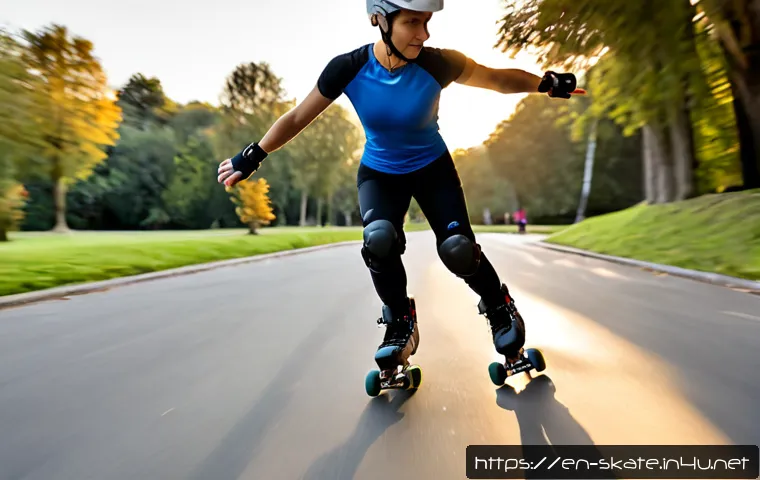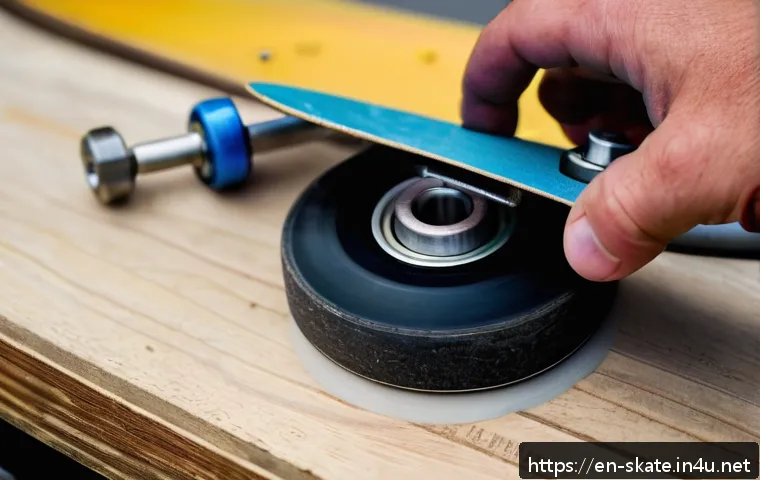
Inline skates have wheels in one line and usually suit forward-focused riding on paths, while quad roller skates have two side-by-side wheel pairs and offer a wider platform for rink and dance-oriented skating.
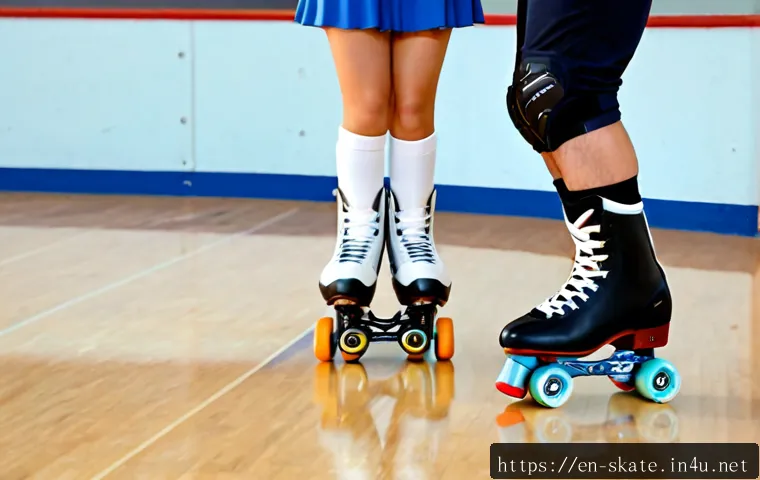
The better choice depends on where you will skate, how confident you feel with balance, the stopping system you want to learn, and the full cost of skates plus safety gear.
For a first purchase, compare wheel type, boot support, frame construction, fit guidance, and the retailer’s return policy rather than choosing by appearance alone.
Recreational inline skates often use a heel brake, while many quad skates use a toe stop, but the hardware varies by model and discipline. A helmet, wrist guards, knee pads, and elbow pads should be part of the plan, especially while learning to stop and fall safely.
Quick Look
- Inline skates place three, four, or more wheels in one front-to-back line for a narrow, forward-focused stance.
- Quad roller skates use two pairs of side-by-side wheels, creating a wider base under the boot.
- Your usual surface, fit, wheel setup, brake design, and protective gear matter more than the skate’s appearance.
| Decision Factor | Inline Skates | Quad Roller Skates |
|---|---|---|
| Wheel layout | Wheels arranged in a single line | Two wheels at the front and two at the back |
| Standing platform | Narrower, forward-focused stance | Wider side-to-side platform |
| Common stopping hardware | Often a heel brake on recreational models | Often a toe stop |
| Surface planning | Check wheels for paved paths or your intended terrain | Check wheels for rink floors, sidewalks, or your intended terrain |
| Purchase priorities | Fit, support, frame, wheels, brake configuration | Fit, support, plate setup, wheels, toe-stop configuration |
The Quick Answer: Two Wheel Layouts, Different Riding Feel
The main difference is simple: inline skates put the wheels in one line, while quad skates put them in two pairs. That design changes how the skate feels beneath your feet, particularly when standing still, practicing at low speed, turning, and selecting a surface.
Inline skates: wheels in one line for a narrower, forward-focused stance
Inline skate frames may hold three, four, or sometimes more wheels in a row. Their setup can appeal to riders focused on fitness rides, neighborhood paths, or a more forward-moving style of skating. Wheel size, wheel hardness, bearings, boot support, and frame construction all affect how an individual inline skate feels, so one recreational model should not be treated as identical to another.
Quad roller skates: side-by-side wheel pairs for a wider base
Traditional quad roller skates have four wheels arranged in two pairs. The wider wheel placement can be attractive for rink sessions, social skating, and dance-oriented skating. Quad setups still vary widely: boot shape, ankle support, wheel choice, bearings, and toe-stop design can change the intended use and feel.
At-a-glance comparison for beginners
If you want to skate mainly on paved paths, begin by comparing inline skate wheel options and heel-brake design. If you picture rink laps, social sessions, or artistic movement, compare quad skate wheels, toe stops, and boot support. Neither layout is automatically easier or safer for every beginner. Your previous experience, practice location, setup, and protective equipment all matter.
Compare Balance, Turning, Stopping, and Surface Performance
Stability at a standstill and during low-speed practice
Quad skates provide a wider side-to-side platform because their wheels sit beside one another. Inline skates place the wheels under the center of the boot in a line, creating a narrower platform. Try not to turn this comparison into a universal rule about difficulty. A well-fitting boot, the right support level, and patient practice can matter as much as wheel layout.
Maneuverability for rink turns, trails, and crowded paths
Your intended route should guide your skate comparison. Rink skating, dance-focused sessions, paved trails, and crowded paths all create different turning and control needs. Before buying, think about where you will make most of your turns, whether you need to stop frequently, and whether the surface is smooth or uneven.
Heel brakes, toe stops, and why stopping practice matters
Many recreational inline skates use a heel brake. Many quad skates use a toe stop. However, brake configurations vary by model and skating discipline, so always read the product details rather than assuming a brake is included or positioned the same way. Whatever setup you choose, identify a safe practice area and learn stopping and falling techniques before using busy paths or streets.
Indoor floors versus sidewalks and rough pavement
Outdoor surfaces generally need wheels suited to rougher pavement, while rink skating can favor setups intended for smoother indoor floors. Buying indoor-focused wheels for rough sidewalks can make your first sessions less suitable for the terrain you actually use. Check the wheel type supplied with the skate and whether replacement wheels are available for your preferred surface.
What You Pay For When Buying Skates
Entry-level, mid-range, and performance-oriented construction differences
Skate prices vary by retailer, brand, region, sale period, and construction. Rather than shopping only by a low or high price label, compare the parts that shape ride feel: boot support, frame construction, wheel setup, bearings, and braking hardware. A more expensive-looking skate is not automatically the right value if its wheel setup or fit does not match your use.
What your budget should include
Plan for more than the skate itself. A practical beginner budget includes skates, a helmet, wrist guards, knee pads, and elbow pads. Protective gear can reduce injury risk, especially for people learning balance, stops, and falls. When comparing complete skate packages, check exactly what is included instead of assuming accessories come with the skates.
Replacement costs to consider: wheels, bearings, laces, and brake parts
Wheels, bearings, laces, and brake-related parts may eventually need replacement depending on use and setup. Inline buyers should check the availability of compatible brake parts where applicable. Quad buyers should review the toe-stop configuration and compatible replacement options. These details help you compare the total value of a skate package, not just the initial purchase.
Common First-Purchase Mistakes to Avoid
Choosing the wrong wheel setup for your usual surface
Do not buy solely for color, style, or a popular look. First decide whether you will mostly skate indoors, on smoother paths, or on rougher pavement. Then review the wheel setup included with that model.
Ignoring fit, width, ankle support, and return terms

Fit is not consistent across every brand or skate type. Use the manufacturer sizing chart, consider width and boot support, and read the return policy before ordering. This is especially important when buying online, where trying the skate on before purchase may not be possible.
Assuming all skates include the same braking hardware
Do not assume every inline skate includes a heel brake or every quad skate includes the same toe stop arrangement. Review the individual model’s specifications. If stopping confidence is a major priority, brake design should be one of your first comparison points.
Skating without a safe place to learn stopping and falling techniques
A clear, suitable practice area is part of the equipment decision. Begin slowly, wear protective gear, and give yourself room to practice balance and stopping. Avoid treating a commute or crowded public route as your first practice session.
Which Style Works Best for Your Skating Goal?
Fitness rides and paved paths
Inline skates are worth comparing when your priority is forward rolling on neighborhood paths or fitness-oriented rides. Look closely at boot support, frame construction, wheel suitability for your pavement, and whether the model’s brake configuration fits your learning plan.
Casual rink sessions and social skating
Quad roller skates are a natural option to compare for casual rink sessions and social skating. Focus on rink-appropriate wheel choices, a comfortable fit, support level, and the toe-stop setup. If you may also skate outdoors, confirm whether the included wheels suit that separate use.
Dance-focused or artistic skating
For dance-oriented or artistic skating, quad skates may fit the style you have in mind because of their traditional two-pair wheel layout. Still, the individual boot, wheels, and hardware matter. Review the intended use described by the manufacturer instead of relying only on the category name.
Short urban trips and practical transport considerations
For short urban trips, inline skates may be part of your comparison if your route is suitable and you are comfortable with the needed control. Think beyond forward rolling: surface condition, stopping opportunities, crowded areas, protective gear, and the availability of a safe learning location all deserve attention.
Selection Criteria and Comparison Summary
Choose inline skates when you prefer a narrow, forward-focused setup and are comparing options for path-based fitness or recreational rolling. Choose quad skates when you prefer a wider platform and are shopping for rink, social, or dance-oriented skating. Before checkout, compare these points: manufacturer sizing guidance, return policy, wheel type for your main surface, brake or toe-stop setup, boot support, and the total cost of skates plus protective gear. Review the official product page for included items, compatible replacement parts, and model-specific details.
Closing Thoughts
Inline and quad skates are not interchangeable, but neither is a one-size-fits-all answer. Start with your main skating location and goal, then narrow your options by fit, wheel setup, support, and stopping hardware. A skate that fits well and matches your surface is a more useful purchase than one selected only for its style. Include protective gear in the decision from the beginning.
Useful Information to Know
Check the surface first: rough pavement and smooth rink floors may call for different wheel choices. Check the fit next: use brand-specific sizing charts and review return terms. Check the complete setup: brakes, toe stops, wheels, and protective gear should all be considered before you buy.
Important Notes
Exact pricing, included accessories, sizing consistency, comfort, durability, speed, and braking performance vary by retailer, brand, region, and individual model. No skate type is universally easier or safer for every person. Read the manufacturer’s specifications, confirm the return policy, and practice with appropriate protective equipment in a suitable area.
Frequently Asked Questions
Q1. Are inline skates or roller skates easier for beginners?
A1. It depends on the rider, prior experience, terrain, skate setup, fit, and protective equipment. Quad skates have a wider side-to-side platform, while inline skates use a narrower wheel line. Try to choose based on where and how you plan to skate rather than assuming one type will always be easier.
Q2. How much should a beginner budget for skates and safety gear?
A2. Exact costs vary by retailer, brand, region, and sale period. Plan for the skates as well as a helmet, wrist guards, knee pads, and elbow pads. It is also sensible to consider possible replacement wheels, bearings, laces, or brake-related parts.
Q3. Are quad roller skates better for indoor rinks while inline skates are better outdoors?
A3. That can be a useful starting point, but it is not a fixed rule. Rink skating can favor setups designed for smooth indoor floors, and outdoor skating generally needs wheels suited to rougher pavement. Check the wheels and intended use of the specific model, whether you choose inline or quad skates.