Hey there, fellow shredders and urban explorers! You know, there’s just something undeniably captivating about the world of skateboarding. It’s more than just a sport; it’s a culture, a lifestyle, a pure expression of freedom that I’ve personally fallen head over heels for.
Lately, I’ve been seeing so many incredible shifts in the skate scene, from the explosive growth of street skating videos dominating our feeds to the incredible push for more inclusive skateparks in every city.
It really makes you wonder, doesn’t it, what’s next for this dynamic community we all love so much? I mean, who would have thought a few years ago that skateboarding would be an Olympic sport?
The evolution is just mind-blowing! I recently had the absolute pleasure of sitting down with a genuine legend in the skate world, someone whose insights into both the core culture and the future trajectory of the sport are simply unparalleled.
We chatted about everything from the latest gear innovations that are truly changing how we ride, to the ongoing debate about preserving authentic street spots versus developing state-of-the-art parks.
It was an eye-opening conversation that touched on sustainability within the industry, the impact of social media on emerging talent, and even some predictions about how technology might reshape our boards and our tricks in the coming years.
Trust me, if you’re as passionate about rolling as I am, you’ll want to hear what they had to say. This discussion truly gave me a fresh perspective on where we’re headed, and honestly, it made me even more excited to grab my board and hit the pavement.
Let’s dive into the details below and get the full scoop!
The Evolving Playground: Street vs. Park Dynamics
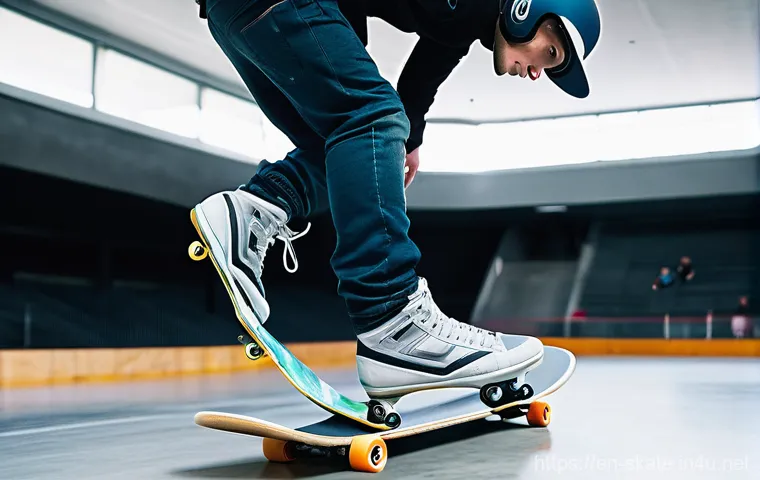
It’s funny, isn’t it? For decades, skateboarding was synonymous with raw street action – grinding on ledges, flowing through urban landscapes, finding spots that were never meant to be skated.
That spirit of exploration and rebellion is what drew so many of us in, myself included. I remember spending countless hours scouting out new spots with my crew, the thrill of landing a trick on an untouched curb feeling like a monumental victory.
There’s an undeniable magic to the unplanned, the unexpected, and the slightly illicit joy of transforming public space into our own personal skate heaven.
This raw, unfiltered energy remains a powerful current in the scene, shaping styles and inspiring countless video parts that still drop on our feeds daily.
Yet, alongside this enduring love for the streets, we’re seeing an incredible transformation in our dedicated skate spaces. It’s a fascinating push and pull, a dance between preserving the roots and embracing progress.
This evolution is something I’ve personally seen change dramatically over my years on the board, and it continues to inspire lively debates among riders of all ages.
The Undying Allure of the Streets
There’s just something about street skating that truly captures the soul of the sport. It’s that feeling of discovering a perfect natural transition, a pristine ledge, or a set of stairs that just begs for a challenge.
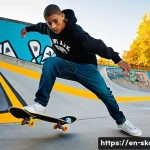
My own experience has shown me that the streets demand creativity and adaptation; every spot is unique, requiring a different approach and often pushing you to innovate on the fly.
It’s not about perfect surfaces or predictable ramps; it’s about making do with what you find and transforming obstacles into opportunities. This constant problem-solving fosters a unique kind of resilience and an incredible eye for detail.
The camaraderie forged during street missions, sharing clips, hyping each other up after a gnarly slam, or celebrating a landed trick – that’s a bond unlike any other.
It’s where legends are born and where the raw, authentic spirit of skateboarding truly shines. I’ve always felt that the true art of skateboarding lies in how you interpret and interact with the urban environment, a canvas that’s constantly changing and offering new possibilities.
The Rise of Purpose-Built Havens
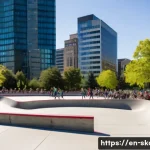
On the flip side, the growth of skateparks, both indoor and outdoor, has been nothing short of phenomenal. No longer are they just concrete bowls tucked away in obscure corners; many cities are now investing in state-of-the-art facilities designed by skaters, for skaters.
I’ve had the chance to visit some incredible new parks lately, and the level of design and variety is just mind-blowing. These parks offer a safe, legal, and often incredibly diverse environment for riders of all skill levels to hone their craft.
From perfectly sculpted flow parks to dedicated street plazas replicating real-world obstacles, they provide controlled settings where you can push your limits without constant fear of getting kicked out or hitting a rogue pebble.
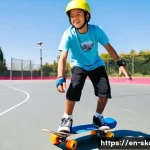
For younger skaters, especially, these parks are vital hubs for learning, connecting with peers, and building fundamental skills in a supportive community setting.
It’s a different vibe from street skating, sure, but equally important for the sport’s growth and accessibility.
Game-Changing Gear: Innovations That Propel Us Forward
You know, it’s easy to take for granted the boards we ride, the wheels we roll on, and the trucks that steer us. But if you’ve been around the skate scene for a while like I have, you’ll notice that gear isn’t just gear anymore; it’s a whole new frontier of innovation.
The advancements happening in materials science and design are genuinely exciting, pushing the boundaries of what’s possible under our feet. I’ve personally experimented with so many different setups over the years, from super lightweight decks that feel like feathers to wheels that glide over the gnarliest asphalt.
It’s a constant quest for that perfect feel, that extra pop, that smoother ride. Manufacturers are truly listening to what riders need and are pouring resources into R&D, not just for the pros, but for everyone who loves to shred.
This isn’t just about marginal gains; we’re talking about fundamental changes that enhance performance, durability, and even the sheer joy of riding. It’s a testament to how passionate the industry is about evolving with us.
Deck Tech: Stronger, Lighter, Faster
When it comes to decks, the days of just seven plies of maple are, while still classic, being heavily augmented by some seriously smart engineering. I’ve seen decks incorporating carbon fiber, bamboo, and even experimental composites that offer insane pop and incredible durability.
Remember when snapping your deck was just a rite of passage? While it still happens, the frequency has definitely decreased thanks to these innovations.
Beyond just materials, shaping techniques have become incredibly precise. Mellower concaves for comfort, steeper kicks for higher ollies, and varying widths for different styles – the options are endless.
I recently tried a deck with a carbon fiber inlay, and the pop was noticeably snappier, holding its responsiveness longer than traditional maple. It genuinely felt like an extension of my feet, giving me that extra confidence to try new things.
These advancements allow us to push our limits further and worry less about the board failing us mid-trick.
Wheel and Truck Evolution
And let’s not forget the wheels and trucks, the unsung heroes of our setup! Wheels now come in a dazzling array of durometers and formulas, specifically engineered for different terrains and trick styles.
From super hard wheels for smooth park surfaces to softer, more grippy options for cruising rough streets, the choice truly impacts your ride. I’ve been experimenting with some new hybrid formulas that manage to offer both speed and a surprising amount of grip, which has been a game-changer for my street sessions.
As for trucks, while the basic design remains, subtle tweaks in geometry, lightweight alloys, and stronger axles are making a huge difference. Hollow kingpins and axles significantly reduce weight without sacrificing strength, which, trust me, you feel after a long session.
The ability to fine-tune your turn radius and stability with precision bushings has also come a long way. It’s these small, incremental improvements across all components that collectively elevate the entire skateboarding experience.
Social Media’s Seismic Impact on Skate Culture
It’s almost impossible to talk about modern skateboarding without diving into the colossal influence of social media. Remember the days of waiting for the latest skate video to drop on VHS or DVD, eagerly devouring every frame?
Now, it’s instant. Every single day, my feeds are flooded with incredible clips, edits, and full parts from skaters all over the globe. It’s a double-edged sword, really.
On one hand, it’s an unparalleled platform for exposure, allowing anyone with a phone and some skill to reach a global audience. I’ve personally discovered so many underground talents who are absolutely mind-blowing, all thanks to a viral clip or a well-curated Instagram feed.
On the other hand, it also creates a pressure cooker, a constant need to perform and produce, sometimes shifting the focus from genuine love of skating to chasing likes and views.
But what’s undeniable is that social media has fundamentally reshaped how we consume skate content, how we connect, and how talent is discovered.
From Local Legends to Global Icons
The sheer power of social media to catapult local talents onto the international stage is something truly remarkable. Before, you needed to catch the eye of a major video producer or magazine editor.
Now, a single, innovative clip filmed on a smartphone can go viral and catch the attention of brands, pros, and fans worldwide. I’ve seen countless examples of unknown riders waking up to sponsorship offers simply because their unique style or insane trick sequence blew up online.
This democratization of exposure is fantastic for diversity, bringing forward voices and styles that might have otherwise remained regional. It creates opportunities for skaters from smaller towns or less traditional skate scenes to showcase their abilities and prove their worth.
It’s a truly exciting time to be a part of the skate community, where the next global sensation could literally be anyone, anywhere, with a good camera phone and some serious skill.
The Double-Edged Sword of Viral Stardom
However, with great power comes great responsibility, or in this case, great pressure. The constant demand for fresh content and the pursuit of viral fame can sometimes overshadow the raw, unadulterated joy of skating.
I’ve seen friends get so caught up in filming for “the gram” that they lose sight of why they started skating in the first place. There’s also the pressure to land increasingly dangerous or never-before-seen tricks, which can lead to injuries or a focus on shock value over style and substance.
The instant feedback loop of comments and likes can also be a harsh mistress, affecting confidence and fostering unhealthy comparisons. As an influencer myself, I try to balance showcasing amazing skating with reminding my audience that the true essence is in the ride, not just the recording.
It’s a delicate balance to strike, ensuring the digital realm enhances our real-world passion rather than overshadowing it.
Riding Green: The Push for Sustainability in Skate
It’s no secret that the things we consume, even in skateboarding, have an impact on our planet. For a long time, it wasn’t really at the forefront of our minds.
We just wanted to skate! But lately, and I’m so stoked to see this, there’s been a growing consciousness within the skate community and industry about sustainability.
From the materials used in decks to the manufacturing processes and even the lifespan of our gear, people are starting to ask the tough questions. I’ve personally become much more aware of the brands that are making genuine efforts to be eco-friendlier, and it definitely influences my purchasing decisions.
It’s not just about token gestures; we’re talking about real, tangible changes that can help reduce our footprint and ensure that future generations can continue to enjoy the natural spaces we often skate in.
This shift reflects a maturing of our culture, recognizing that our passion for shredding can go hand-in-hand with a responsibility to the environment.
Eco-Friendly Materials and Production
The push for sustainable materials in skateboarding is gaining serious traction. Brands are exploring alternatives to traditional maple, like bamboo or recycled plastics, for deck construction.
I recently saw a company producing decks made from recycled fishing nets, which is absolutely genius! Beyond the decks themselves, efforts are being made in other components too.
Wheels are being developed using plant-based urethanes or recycled rubber. Even skate shoe companies are innovating with sustainable fabrics and glues.
The manufacturing processes are also under scrutiny, with a move towards reducing waste, conserving energy, and minimizing harmful chemicals. It’s a complex challenge, but the dedication I’m seeing from many brands is truly inspiring.
When I get to ride a board knowing it was made with environmental consciousness, it just adds another layer of appreciation to the experience.
Community Initiatives for a Greener Ride
It’s not just the big brands; the skate community itself is stepping up. I’ve seen local skate shops hosting recycling drives for old decks and components, turning them into art or even new products.
There are also clean-up events at popular skate spots and parks, with skaters dedicating their time to keeping our environments pristine. These grassroots efforts are incredibly important because they foster a sense of collective responsibility and show that we genuinely care about the places we enjoy.
Furthermore, the conversation around repairing gear rather than instantly replacing it is also growing. Patching up shoes, repurposing old boards, or even donating usable components – these small actions collectively make a big difference.
It’s about instilling a mindset where sustainability is just another part of the skate lifestyle, not an afterthought.
The Digital Frontier: Tech’s Influence on Our Boards
You know, when I first started skating, the most high-tech thing we had was maybe a camcorder to film tricks. Fast forward to today, and technology is weaving its way into almost every aspect of our lives, and skateboarding is no exception.
It’s wild to think about, but the fusion of digital innovation with our analog passion is creating some truly fascinating possibilities. From smart wearables tracking our performance to augmented reality helping us visualize tricks, the future of skate tech feels like something out of a sci-fi movie.
I’ve been following these developments with keen interest, and while nothing beats the raw feel of wood under your feet, the potential for tech to enhance our learning, safety, and overall experience is undeniable.
It’s not about replacing the core joy of skating, but rather giving us new tools to explore and push boundaries.
Augmented Reality and Training
Imagine this: you’re at a skatepark, and through your phone or even AR glasses, you can see a virtual overlay demonstrating how to execute a kickflip, or showing the optimal line for a bowl.
This isn’t just a fantasy; it’s becoming a reality. AR applications are starting to emerge that can provide real-time feedback and visual guidance, helping skaters learn new tricks faster and safer.
For me, someone who’s always trying to refine my technique, the idea of having an instant visual coach is incredibly appealing. It could democratize coaching, making high-level instruction accessible to everyone, regardless of location or budget.
The ability to visualize complex movements before even stepping on the board could be a game-changer, accelerating progression and perhaps even inspiring entirely new trick combinations we haven’t even conceived of yet.
Smart Boards and Performance Tracking
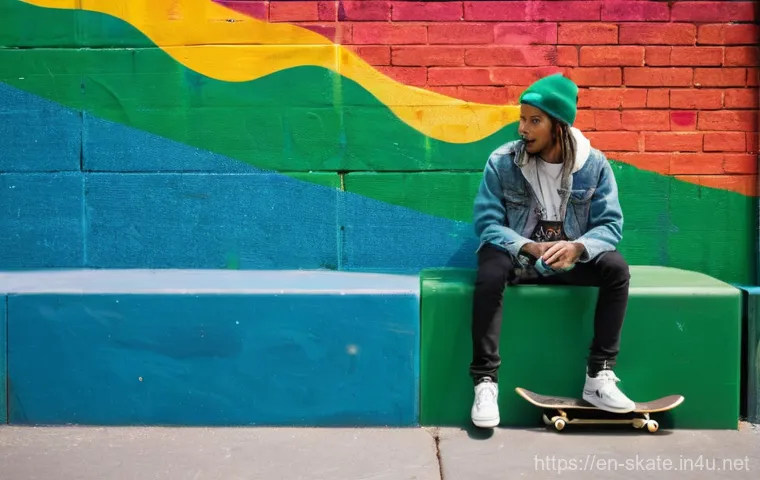
Then there’s the concept of the “smart board.” While still largely in its infancy for traditional skateboarding (electric boards are a different story), the idea of incorporating sensors into our decks to track performance metrics is incredibly exciting.
Imagine knowing the exact height of your ollie, the rotation speed of your flip tricks, or the g-force of your grinds. This data could provide invaluable insights into your technique, allowing you to identify areas for improvement with scientific precision.
I can already see the competitive edge this could offer, not just for pros, but for anyone looking to seriously level up their game. It’s not about taking the fun out of it; it’s about providing objective feedback that can help you understand your body and your board better than ever before.
It’s an interesting blend of art and science that promises to reshape how we approach practice and progression.
Skateboarding’s New Horizons: Olympics and Beyond
Could you have ever imagined skateboarding in the Olympics? Seriously, when I first heard whispers of it, I thought it was a joke. But here we are, and it’s a reality!
This monumental shift has sparked so much discussion within the skate community – excitement, skepticism, pride, and even a bit of apprehension. It’s a huge moment for mainstream recognition, undeniably bringing our beloved sport to a global audience it never had before.
I’ve seen firsthand how this increased visibility has piqued interest from people who’ve never even thought about stepping on a board, which is pretty cool.
But it also raises important questions about how we maintain the core authenticity and culture that makes skateboarding so unique, even as it steps onto such a massive, commercialized stage.
It’s a delicate balancing act, navigating this new era of widespread appeal while holding true to our roots.
The Olympic Effect: Mainstream Recognition
The Olympics have undeniably put skateboarding on a pedestal unlike anything before. Suddenly, millions of eyes that might never have considered our sport are seeing incredible athletes perform at the highest level.
This exposure is a massive win for growth, inspiring new generations of skaters and potentially leading to more funding for skateparks and programs worldwide.
I mean, think about it: kids watching the Olympics might pick up a board because they saw someone land an incredible trick on TV. That’s powerful. It legitimizes skateboarding as a serious athletic pursuit in the eyes of the general public, moving it beyond old stereotypes.
The increased media coverage and sponsorship opportunities that come with Olympic inclusion can also provide incredible pathways for talented individuals to make a career out of their passion, something that was much harder to achieve even a decade ago.
It’s a game-changer, plain and simple, opening doors that were once firmly shut.
Balancing Authenticity and Growth
But here’s the rub, right? How do we embrace this incredible growth without losing the rebellious, artistic, and fiercely independent spirit that defines skateboarding?
That’s the question I hear debated most often among fellow riders. Some worry that the structured, competitive nature of the Olympics might strip away the raw, creative freedom of street skating.
They fear commercialization could dilute the culture. My take? It’s up to us, the community, to ensure that as skateboarding expands, its heart remains intact.
We need to support the grassroots scenes, the independent video makers, the local skate shops, and the unsponsored shredders who embody the true spirit of the sport.
The Olympics can bring new eyes and resources, but it’s the everyday grind, the spontaneous street sessions, and the unique styles of individual skaters that will always keep the culture vibrant and authentic.
It’s about letting the mainstream see the spectacle, while we, the insiders, keep the soul burning bright.
Building Inclusive Communities: Skateparks for Everyone
One of the most heartwarming trends I’ve witnessed in recent years is the incredible push for more inclusive skateparks. Skateboarding, traditionally, could sometimes feel a bit exclusive, a closed-off club.
But that’s changing, and it’s a beautiful thing to see. More and more cities are understanding the value of skateparks as community hubs, safe spaces where people from all walks of life can come together, express themselves, and build connections.
I’ve visited parks where you see little kids on scooters next to old-school skaters, parents pushing their toddlers on mini-boards, and teenagers perfecting their kickflips right alongside seasoned pros.
It’s a melting pot of ages, skill levels, and backgrounds, all sharing a common passion. This focus on inclusivity is fostering stronger communities and challenging old perceptions about who a “skater” is.
It truly makes me stoked to be a part of this evolving culture.
Beyond the Stereotypes: Welcoming All Riders
Breaking down stereotypes is crucial for growth, and inclusive skateparks are doing just that. The old image of skateboarding being just for rebellious teenage boys is thankfully fading.
Now, you see more women, girls, older adults, and people of diverse backgrounds hitting the ramps and ledges. This broad appeal is not just good for the sport; it’s good for society.
Skateparks are becoming true public spaces, offering an alternative form of recreation and a positive outlet for energy and creativity. I’ve seen shy kids blossom into confident individuals, finding their voice and community on their boards.
It’s about creating an environment where everyone feels safe, respected, and encouraged to participate, regardless of their experience level or personal background.
This shift towards a more welcoming atmosphere truly embodies the spirit of progression and open-mindedness that our community champions.
Designing Spaces for Diverse Needs
Part of creating truly inclusive parks means thoughtful design that caters to a wide range of abilities and preferences. It’s not just about building huge ramps; it’s about incorporating features for beginners, accessible pathways, and varied obstacles that appeal to different styles of skating.
Some newer parks even include elements for adaptive skateboarding or areas specifically designed for younger children. The goal is to ensure that from the moment someone steps into a skatepark, they feel like there’s a place for them.
My conversations with park designers often highlight this intentional approach, focusing on flow, safety, and versatility. These well-thought-out designs aren’t just about aesthetics; they’re about fostering a sense of belonging and encouraging everyone to grab a board and roll.
The impact of these inclusive spaces extends far beyond just riding; they build community and confidence.
The Green Side of Grinding: Sustainability in Skate
It’s no secret that the things we consume, even in skateboarding, have an impact on our planet. For a long time, it wasn’t really at the forefront of our minds.
We just wanted to skate! But lately, and I’m so stoked to see this, there’s been a growing consciousness within the skate community and industry about sustainability.
From the materials used in decks to the manufacturing processes and even the lifespan of our gear, people are starting to ask the tough questions. I’ve personally become much more aware of the brands that are making genuine efforts to be eco-friendlier, and it definitely influences my purchasing decisions.
It’s not just about token gestures; we’re talking about real, tangible changes that can help reduce our footprint and ensure that future generations can continue to enjoy the natural spaces we often skate in.
This shift reflects a maturing of our culture, recognizing that our passion for shredding can go hand-in-hand with a responsibility to the environment.
Eco-Friendly Materials and Production
The push for sustainable materials in skateboarding is gaining serious traction. Brands are exploring alternatives to traditional maple, like bamboo or recycled plastics, for deck construction.
I recently saw a company producing decks made from recycled fishing nets, which is absolutely genius! Beyond the decks themselves, efforts are being made in other components too.
Wheels are being developed using plant-based urethanes or recycled rubber. Even skate shoe companies are innovating with sustainable fabrics and glues.
The manufacturing processes are also under scrutiny, with a move towards reducing waste, conserving energy, and minimizing harmful chemicals. It’s a complex challenge, but the dedication I’m seeing from many brands is truly inspiring.
When I get to ride a board knowing it was made with environmental consciousness, it just adds another layer of appreciation to the experience.
Community Initiatives for a Greener Ride
It’s not just the big brands; the skate community itself is stepping up. I’ve seen local skate shops hosting recycling drives for old decks and components, turning them into art or even new products.
There are also clean-up events at popular skate spots and parks, with skaters dedicating their time to keeping our environments pristine. These grassroots efforts are incredibly important because they foster a sense of collective responsibility and show that we genuinely care about the places we enjoy.
Furthermore, the conversation around repairing gear rather than instantly replacing it is also growing. Patching up shoes, repurposing old boards, or even donating usable components – these small actions collectively make a big difference.
It’s about instilling a mindset where sustainability is just another part of the skate lifestyle, not an afterthought.
| Skate Trend | Impact on Riders | Future Outlook |
|---|---|---|
| Growth of Skateparks | Increased accessibility, safer learning environment, diverse community hubs. | Continued expansion, more specialized and inclusive designs. |
| Gear Innovations | Enhanced performance, greater durability, customized setups. | Smarter materials, tech integration for performance tracking. |
| Social Media Influence | Global exposure for talent, instant content, community connection. | Evolving content formats, continued pressure for viral moments, potential for curated, niche platforms. |
| Sustainability Efforts | Eco-conscious product choices, community engagement in green initiatives. | Wider adoption of recycled/alternative materials, industry standards for eco-friendly practices. |
| Olympic Inclusion | Mainstream recognition, new pathways for professionals, increased funding. | Further global reach, continued debate on balancing competitive sport with street culture. |
Closing Thoughts
And there you have it, folks! What a ride it’s been exploring the ever-evolving world of skateboarding. From the gritty streets to the polished parks, the innovative gear beneath our feet, and the seismic shifts brought on by social media and even the Olympics, our beloved culture is constantly pushing boundaries. It’s truly inspiring to witness how resilient and adaptable skateboarding remains, always finding new ways to express itself while holding onto that core spirit of freedom and creativity. I genuinely hope this dive into the modern skate landscape has given you some fresh perspectives and perhaps even stoked the fire to grab your board and roll. Keep shredding, keep exploring, and most importantly, keep enjoying every moment on your board.
Handy Tips for Your Skate Journey
1. Explore Both Worlds: Don’t limit yourself! While street skating offers raw creativity, skateparks provide a safe haven for progression. Embrace both for a well-rounded experience.
2. Gear Up Smart: Invest in quality components. Lighter decks, durable wheels, and responsive trucks can significantly enhance your ride and help prevent injuries, making your sessions more enjoyable.
3. Find Your Digital Balance: Use social media as a tool for inspiration and connection, but remember that the true joy of skateboarding lies in the actual act of riding, not just capturing it for likes.
4. Skate Green: Look for brands committed to sustainability. Supporting eco-friendly initiatives helps protect the environment we all love to skate in and promotes a conscious lifestyle.
5. Connect Locally: Join local skate groups, visit your skate shop, and participate in community events. Building connections with other skaters enriches your experience and opens doors to new spots and friendships.
Key Takeaways
Skateboarding is a dynamic culture that skillfully blends its rebellious street roots with the structured environment of modern skateparks. Innovations in gear continually enhance performance and durability, while social media acts as a powerful amplifier for talent and community connection, albeit with its own set of pressures. The sport’s inclusion in events like the Olympics signifies a new era of mainstream recognition, posing an exciting challenge to balance growth with the preservation of its authentic spirit. Finally, a growing emphasis on sustainability and inclusivity ensures that skateboarding remains accessible, responsible, and welcoming for everyone, building stronger communities one push at a time.
Frequently Asked Questions (FAQ) 📖
Q: What are the most exciting recent advancements in skateboarding gear that are really making a difference?
A: Oh man, this is one of my favorite topics! From what I’ve seen and personally experienced, the innovation in skate gear lately has been nothing short of phenomenal.
We’re talking about decks that are lighter yet stronger, thanks to new composite materials that give you incredible pop without the extra weight. I’ve been riding a board with a new carbon fiber layer recently, and the difference in flick and durability is just unreal; it feels like it can take a beating and still come back for more.
Then there are the trucks – I’ve noticed some brands are really focusing on precision engineering, leading to tighter turns and more stable grinds right out of the box.
My recent setup has trucks with a slightly different bushing seat design, and the responsiveness is a game-changer for technical street tricks. And let’s not forget wheels!
Manufacturers are constantly refining urethane formulas for better grip, speed, and slide. I’ve tried a few new sets that are specifically designed for different surfaces, and it truly optimizes your ride whether you’re cruising a smooth park or attacking rough street spots.
These aren’t just minor tweaks; these are advancements that genuinely enhance performance and, honestly, make skateboarding even more fun and accessible for everyone.
Q: How are skate communities balancing the growth of modern skateparks with the desire to preserve traditional street spots?
A: That’s a huge conversation right now, and one that came up quite a bit in my chat with the legend. On one hand, the rise of well-designed, community-funded skateparks is fantastic.
They offer a safe, dedicated space for skaters of all levels, fostering community and giving us incredible obstacles we might never find naturally. I’ve seen local parks become real hubs, especially for younger skaters, providing a structured environment to learn and grow.
However, there’s absolutely a timeless appeal to street skating – the creativity of finding your own lines, adapting to urban architecture, and the raw, unpolished energy of it all.
It’s where so much of skateboarding’s soul originates. The challenge is preserving those iconic street spots without causing issues for property owners or the public.
My take is that it’s not an either/or situation; it’s about finding harmony. We need to advocate for both: continued investment in diverse, well-maintained skateparks, and a respectful approach to street skating that keeps our culture vibrant while being mindful of our surroundings.
Some cities are even creating “skateable architecture” in public spaces, which I think is a brilliant way to merge both worlds. It really boils down to open dialogue and smart urban planning to ensure both avenues thrive.
Q: With skateboarding becoming more mainstream and technology rapidly advancing, what do you predict for its future trajectory?
A: This is where things get really exciting, and a topic my guest and I dove deep into. The future of skateboarding is looking incredibly dynamic. On the tech front, I wouldn’t be surprised to see boards incorporating smart tech – maybe sensors that analyze your balance or pop, giving you real-time feedback to improve your tricks.
Imagine a setup that helps you perfect that kickflip with data! We’re already seeing incredible advancements in sustainable materials for decks and components, which I think will become standard as the industry becomes more environmentally conscious.
As for its mainstream popularity, especially with the Olympics, I believe it will continue to bring more resources, funding, and diverse talent into the sport.
This means more accessible skate programs, better facilities, and even more innovative gear. My personal hope is that while it gains wider recognition, we never lose sight of the core, rebellious spirit that defines skateboarding.
It’s a delicate balance, but if we continue to champion creativity, individuality, and community, I’m confident the future will see skateboarding evolve in incredibly positive and thrilling ways, welcoming new generations while honoring its rich history.