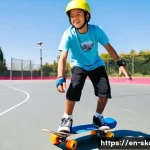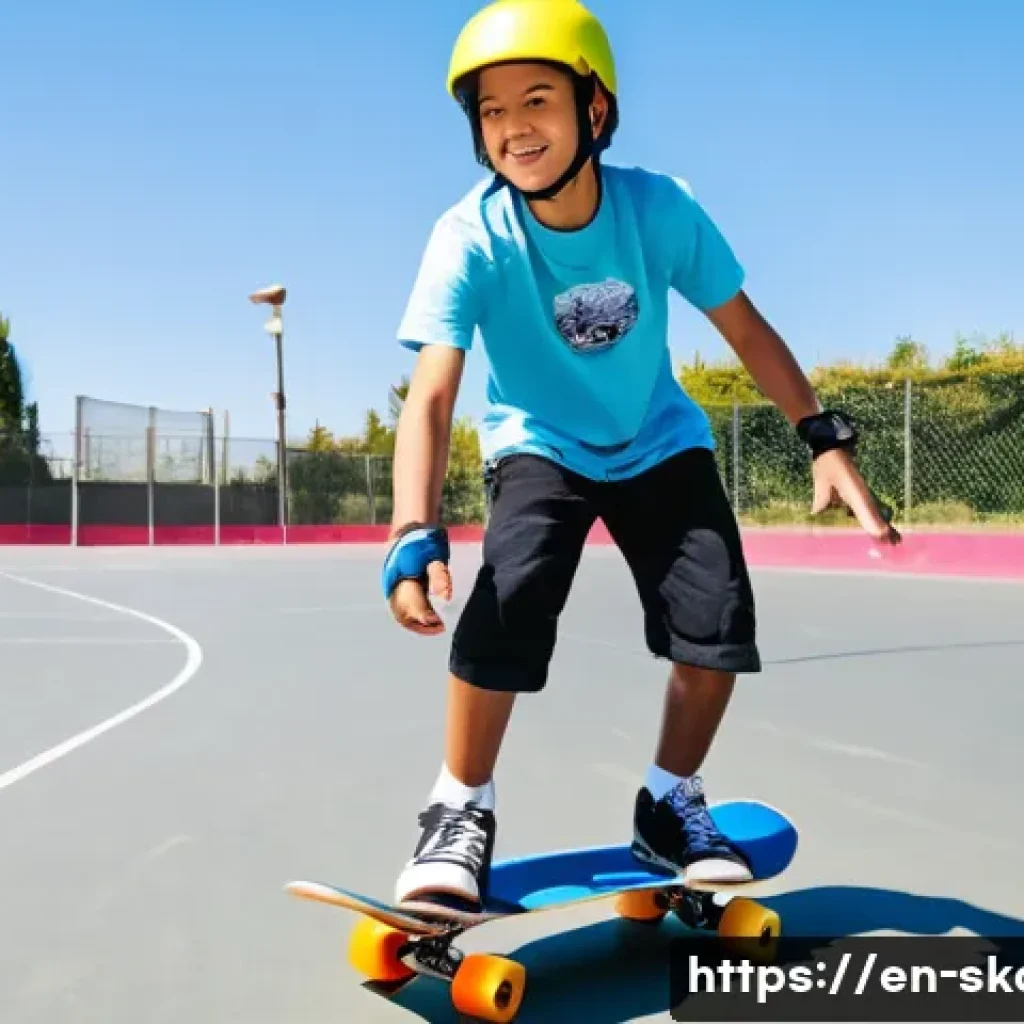
Hey everyone, ever caught yourself watching a skater effortlessly carve through the streets and wondered, ‘Could I actually do that?’ For ages, I just admired from a distance, but recently, I decided it was time to ditch the ‘what ifs’ and dive headfirst into the exhilarating world of skateboarding.
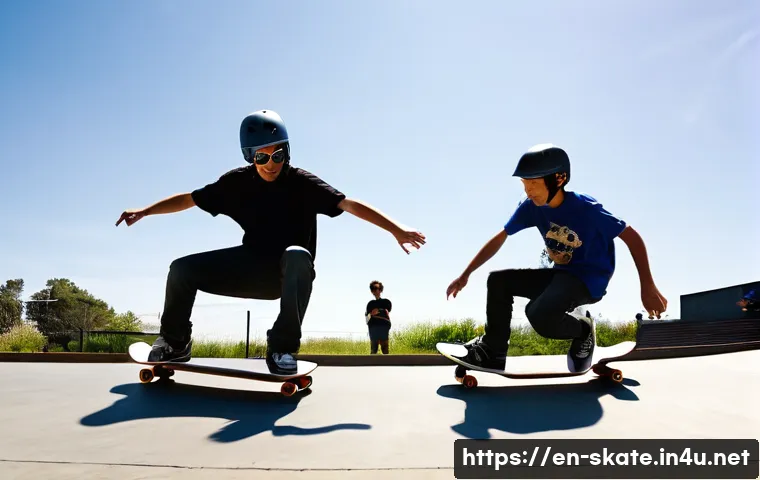
My journey has been an incredible mix of scraped knees, unexpected triumphs, and a whole lot of laughs. Honestly, there’s nothing quite like the feeling of finally landing a new trick, or simply cruising with the wind in your hair—it’s truly redefined urban freedom for me.
If you’re curious about what it really takes to jump on a board, or just need that little nudge to start your own adventure, then I’m excited to share all the juicy details and practical tips.
Picking Your First Board: A Match Made on Wheels
The Deck: Your Foundation
When I first started staring at skateboards online and in shops, my head spun with all the options. It felt like walking into a candy store, but instead of sweets, it was an array of wood, wheels, and trucks.
The very first thing that caught my eye, and probably will yours, is the deck. This isn’t just a piece of wood; it’s your canvas, your stage, and your closest companion on this journey.
For beginners, a common piece of advice I wish someone had really driven home is to start with a wider deck – something in the 8.0 to 8.5 inch range. Trust me on this one; that extra width provides a much-needed stable platform, making it far easier to find your balance and feel confident as you push off.
I remember trying a narrower board initially, thinking it looked cooler, and honestly, it felt like trying to balance on a tightrope. The wider deck gave me so much more peace of mind, allowing me to focus on actual skating rather than just trying not to fall over every two seconds.
Don’t worry too much about graphics at this stage; functionality and comfort are king.
Wheels, Trucks, and Bearings: The Guts of Your Ride
Beyond the deck, you’ve got the trucks, wheels, and bearings – the unsung heroes that make your board roll smoothly, or not so smoothly if you pick the wrong ones!
For trucks, which are the axles that attach the wheels to the deck, you’ll want to ensure they match the width of your deck. This is crucial for stability and turning.
I learned this the hard way after a wobbly setup! As for wheels, this is where personal preference really starts to kick in, but for street cruising and general park riding, a softer wheel (think around 99a durometer or lower) is going to be your best friend.
Softer wheels absorb bumps and cracks in the pavement better, giving you a much smoother, more forgiving ride. My first set of wheels were a bit too hard, and every pebble felt like a mountain!
Switching to slightly softer ones was a game-changer for my joints and my confidence. Bearings, tiny as they are, are what make your wheels spin. ABEC ratings are a general guide, but honestly, even a decent set of ABEC 5 or 7 bearings will get you going wonderfully without breaking the bank.
Don’t feel pressured to buy the most expensive gear right off the bat. Start solid, and upgrade as you grow.
Finding Your Footing: The Stance and First Pushes
Regular or Goofy? Discovering Your Natural Flow
One of the very first things you’ll grapple with, and something that feels almost like a right of passage, is figuring out your stance. Are you “regular” (left foot forward) or “goofy” (right foot forward)?
There’s no right or wrong here; it’s all about what feels natural to *you*. I remember awkwardly trying both, pushing off with each foot, trying to feel which position gave me more control and comfort.
It felt a bit like a dance, a strange, wobbly dance at first. A common trick people suggest, and one that really helped me, is to have someone gently push you from behind – the foot you instinctively put forward to brace yourself is often your natural front foot.
Another way is to imagine sliding on ice or trying to run and slide on a polished floor; whichever foot leads is usually your dominant foot for balance.
Don’t overthink it, honestly. Spend a few minutes just messing around, pushing and coasting a little, and you’ll quickly settle into what feels right.
Once you’ve got your stance down, it’s like finding the comfortable spot on the couch; everything else just feels a little bit easier to learn.
The Gentle Art of Pushing Off
Okay, so you’ve got your board, you know your stance – now for the moment of truth: actually getting it to move! This is where the magic (and sometimes the hilarious falls) happens.
The fundamental push off is surprisingly simple, but it takes a bit of coordination to feel truly smooth. Place your front foot over the front trucks, pointing slightly forward.
Your back foot is your engine. Gently push off the ground with your back foot, a few short pushes at first, just enough to get a little momentum. Then, bring your back foot onto the board, usually just behind the front trucks or on the tail, depending on your comfort.
The key here is to keep your weight centered and your knees slightly bent – think of yourself as a spring, ready to absorb any bumps. I recall my first few pushes being incredibly jerky, like a robot trying to walk for the first time.
My advice? Start on a super smooth, flat surface. A deserted tennis court or a quiet paved path is perfect.
Don’t try to go fast; focus on consistency and feeling the rhythm of the push and glide. The more you do it, the more natural it becomes, until it’s just second nature.
Navigating the Concrete Jungle: Turning and Stopping Essentials
Mastering the Carve: Leaning into Turns
Once you’re comfortable pushing and cruising in a straight line, the next natural step is learning to turn. And let me tell you, the feeling of carving a smooth turn is incredibly satisfying – it’s where skateboarding really starts to feel like a dance.
Forget complicated maneuvers for a second; we’re talking about simple carving turns. This essentially involves leaning your body and tilting the board with your feet.
If you want to turn left, you gently lean your body and press down with your heels on the edge of the board. For a right turn, it’s the opposite – lean and press with your toes.
It sounds almost too simple, right? But the magic is in the subtle shifts of your body weight. Your shoulders and hips naturally follow where your eyes are looking, so gaze in the direction you want to go.
I remember feeling so awkward and stiff at first, like a plank of wood trying to bend. But with practice, it clicks. Start with very gentle leans, on flat ground, and just feel the trucks respond.
It’s not about forcing it; it’s about flowing with the board. Before you know it, you’ll be weaving around obstacles with a newfound grace.
Brake Time: Safely Bringing It to a Halt
Now, knowing how to stop is arguably even more important than knowing how to go, especially when you’re just starting out. There are a few ways to stop on a skateboard, but for beginners, the easiest and safest method is the “foot brake.” This is exactly what it sounds like: you use your back foot to gently drag on the ground.
To do this, simply shift your weight onto your front foot, lift your back foot off the board, and gently skim the sole of your shoe on the ground. Start lightly, applying just enough pressure to slow down, and gradually increase it until you come to a complete stop.
You don’t want to slam your foot down; that’s a quick way to lose balance. I vividly recall one of my first attempts where I slammed my foot down too hard and nearly went flying!
The key is controlled pressure. Another option, once you’re a bit more stable, is to simply step off the board if you’re going slow enough. Always remember, safety first!
Don’t be afraid to bail if you feel you’re losing control – sometimes jumping off is the best option to avoid a nasty spill. Practice both on flat ground until it feels intuitive.
Embracing the Scrapes: My Journey Through Falls and Triumphs
The Inevitable Tumble: Learning to Fall
Let’s be real: you’re going to fall. It’s not a matter of “if,” but “when.” And honestly, that’s perfectly okay! Embracing the fall is a huge part of learning to skateboard.
My first few falls were clumsy, painful, and more than a little embarrassing. I’d flail my arms, try to catch myself with outstretched hands, and usually end up with scraped palms or knees.
But here’s the secret sauce: learning to fall *properly* minimizes injury. Try to roll with the fall if you can, rather than bracing yourself rigidly.
Aim to tuck and roll, letting your body distribute the impact rather than concentrating it on one point. Protect your head and wrists, which are often the first points of impact.
And honestly, investing in some good protective gear – a helmet, wrist guards, and knee pads – is not just smart, it’s empowering. It gives you the confidence to push your limits a little more, knowing you’ve got a layer of protection.
I really wish I’d worn wrist guards from day one; it would have saved me a few nasty scrapes!
Small Wins, Big Smiles: Celebrating Progress
Despite the tumbles, the feeling of finally landing something new is absolutely euphoric. That first successful push-off without wobbling, the first smooth turn, or even just cruising down a slightly sloped path without fear – these are huge milestones.
I remember the immense pride I felt when I managed to consistently ride without having to put my foot down, or when I finally nailed a kickturn around a cone.
Each tiny victory fuels your motivation and makes all the scraped knees totally worth it. Don’t compare your progress to anyone else’s; everyone learns at their own pace.
Focus on your own journey, celebrate every small achievement, and remember why you started this awesome adventure in the first place. For me, it was that sense of urban freedom, and every time I step on my board, even for a simple cruise, that feeling comes rushing back.
It’s a journey, not a race, and every step (or roll!) is part of the fun.
Gearing Up Right: Essential Protection and Accessories
Your Starter Pack: What You Really Need
Before you even think about pushing off, setting yourself up with the right gear is paramount. It’s not just about having a cool board; it’s about safety, comfort, and ultimately, enjoyment.
When I first stepped into a skate shop, I was overwhelmed by the sheer volume of options. My biggest piece of advice here is to prioritize quality where it counts: your board’s core components and, crucially, your safety gear.
Don’t feel like you need the most expensive everything right out of the gate, but also don’t completely skimp. A good complete skateboard from a reputable brand (often found in the $80-$150 range) is an excellent starting point.
These are usually well-balanced for beginners. Then, focus on the protective stuff. I’m telling you from experience, a small investment upfront can save you a lot of pain and downtime.
Think of it like buying insurance for your fun. It allows you to fall a bit more gracefully and get back up with less hesitation, which is key to quick progress.
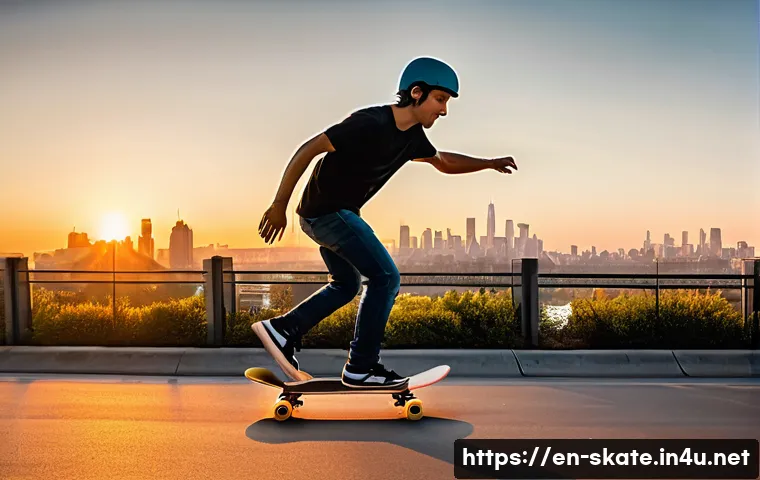
Here’s a quick rundown of what I consider the absolute essentials for anyone just starting out:
| Item | Why It Matters | Typical Beginner Price Range (USD) |
|---|---|---|
| Complete Skateboard | Pre-assembled, balanced for beginners, good starting point. | $80 – $150 |
| Helmet | Crucial for head protection. Non-negotiable! | $30 – $70 |
| Wrist Guards | Protects hands and wrists from common fall injuries. | $15 – $35 |
| Knee Pads | Saves your knees from scrapes and impacts. | $20 – $50 |
| Skate Shoes | Flat, grippy soles for board feel and durability. | $50 – $100 |
| Skate Tool | Essential for adjusting trucks, wheels, and hardware. | $10 – $25 |
Safety First: Helmets, Pads, and Guards
Alright, let’s talk safety, because while skateboarding is incredibly fun, it’s also a contact sport – contact with the ground, that is! When I first started, I was a bit hesitant about looking “too geared up,” but after a few tumbles, I quickly realized how essential protective equipment is.
A good helmet is non-negotiable. Seriously, protect that brain! Look for one specifically designed for skateboarding or multi-sport use, ensuring it fits snugly but comfortably.
Beyond the helmet, wrist guards and knee pads are absolute lifesavers. Your wrists are often the first thing to hit the ground when you fall, and knee pads will spare you countless scrapes and bruises.
I’ve seen seasoned skaters still wear pads, especially when trying new tricks, and it’s a testament to their importance. Don’t cheap out on safety gear; think of it as an investment in your well-being and confidence.
Wearing the right gear doesn’t make you any less cool; it makes you smarter and allows you to push your limits without constant fear of serious injury.
Beyond the Basics: Shoes and Skate Tools
While your board and protective gear are the big-ticket items, don’t overlook the smaller details that can make a huge difference in your skateboarding experience.
Your shoes, for instance, are incredibly important. You’ll want shoes with flat, grippy soles that offer good board feel and support. Skate-specific shoes are designed for this, often with reinforced areas to withstand the abrasion of griptape.
I tried skating in regular sneakers once, and it felt like I had no connection to the board at all! Also, a handy skate tool is a must-have. These compact tools usually combine a wrench for your trucks, a socket for your wheels, and a screwdriver for hardware.
It allows you to make quick adjustments on the go, like tightening loose trucks or swapping out wheels, which believe me, you’ll want to do. Having the right tools means you’re always ready to roll, and that small convenience can prevent a lot of frustration when you’re out and about.
It’s all about setting yourself up for success and enjoyment from the very beginning.
Skate Parks and Street Spots: Finding Your Community
The Vibe of the Skate Park
Stepping into a skate park for the first time can feel a little intimidating, right? I know it did for me. All those seasoned skaters zipping around, doing incredible tricks, making it look effortless.
But honestly, skate parks are usually incredibly welcoming places, especially to beginners. Most skaters remember what it was like to start, and there’s a real sense of camaraderie.
My advice? Don’t be afraid to just observe for a bit. Watch how people flow, notice the unwritten rules of etiquette (like waiting your turn), and just soak in the atmosphere.
When you’re ready, start in the less crowded areas, maybe just cruising around the flat ground or rolling down some gentle banks. You’ll quickly find that most people are happy to offer tips or even just a friendly nod.
I’ve met some awesome people at my local park, and they’ve genuinely helped me improve and feel more connected to the skateboarding scene. It’s a fantastic place to learn, fall, get back up, and feel like you’re part of something cool.
Street Skating: Urban Exploration
Beyond the structured environment of a skate park, there’s the entire world of street skating. This is where you truly embrace urban exploration and see your city in a whole new light.
Paved pathways, quiet parking lots, empty plazas, even smooth sidewalks – these become your playground. The beauty of street skating is the freedom it offers.
You don’t need a specific destination; the journey itself is the adventure. However, a word of caution: always be mindful of your surroundings. Pedestrians, cars, and uneven surfaces are all part of the challenge, but also part of what makes it so exciting.
I love finding new spots with smooth pavement and just cruising, feeling the wind, listening to my wheels hum. It’s a completely different energy than a skate park, more meditative and focused on personal flow.
Remember to always be respectful of public and private property, and clean up after yourself. Street skating isn’t about causing trouble; it’s about finding joy and movement in the everyday landscape.
Beyond the Board: Skateboarding as a Lifestyle
More Than Just a Hobby: A Way of Seeing the World
What started for me as a casual “let’s try this” soon evolved into something much deeper. Skateboarding isn’t just a sport or a hobby; it truly becomes a way of life, a lens through which you view the urban landscape.
Suddenly, mundane stairs become potential challenges, smooth curbs invite contemplation, and even a simple patch of flat ground holds endless possibilities.
It changes how you perceive space, movement, and your own capabilities. I’ve found that it builds an incredible amount of resilience, patience, and problem-solving skills.
Every time you fall and get back up, every time you try a trick fifty times before landing it, you’re not just learning to skate; you’re learning about perseverance.
It’s empowering in a way I hadn’t anticipated, giving me a sense of accomplishment and a unique perspective on my daily environment. This transformation in how I see the world around me has been one of the most rewarding unexpected benefits of picking up a board.
The Connection: Community and Culture
One of the most surprising and wonderful aspects of diving into skateboarding has been the community. Before I started, I envisioned it as a solitary pursuit, just me and my board.
But it’s anything but! There’s a rich, diverse, and incredibly supportive culture surrounding skateboarding. From the moment I started hanging around the local skate park, I felt a connection.
People share tips, cheer each other on, and there’s a genuine respect for anyone putting in the effort, regardless of skill level. It’s a global language, really.
You can travel almost anywhere, find a skate park, and instantly have something in common with the locals. This sense of belonging, of being part of a larger tribe that understands the unique thrills and frustrations of rolling on four wheels, is truly special.
It’s more than just shared interest; it’s a shared passion that fosters friendships and builds unexpected bridges, making the entire journey even more enriching.
글을 마치며
And so, here we are, at the end of our beginner’s guide to picking up a skateboard. But truly, this isn’t an end at all—it’s just the beginning of *your* exhilarating adventure on four wheels. I’ve shared my own scrapes, triumphs, and the little nuggets of wisdom I’ve picked up along the way, hoping to make your entry into this incredible world a little smoother than mine. Skateboarding, I’ve found, has a magical way of opening up new perspectives, pushing your physical and mental boundaries, and connecting you with an unexpectedly warm and diverse community. It’s not just about mastering tricks or cruising fast; it’s about finding your own rhythm, embracing the inevitable falls with a shrug and a smile, and celebrating every tiny victory. The personal growth, the sheer joy of movement, and the unique way it changes how you see your environment are truly unparalleled. So, grab your deck, lace up those shoes, and roll fearlessly into a world of endless possibilities. The concrete jungle is waiting for you to make your mark!
알아두면 쓸모 있는 정보
1.
Board Maintenance Matters
Just like any trusted companion, your skateboard needs a little love and attention to keep it rolling smoothly. Regularly check your trucks for loose bolts, ensure your wheels spin freely by checking bearings, and keep your grip tape clean with a brush. A well-maintained board isn’t just safer; it performs better, making your learning curve a lot less frustrating. I learned this after a wobbly ride convinced me to actually inspect my setup, and suddenly, everything felt tighter and more responsive. A quick once-over before each session can save you from unexpected issues and extend the life of your gear.
2.
Support Your Local Skate Shop
While online shopping offers convenience, there’s immense value in visiting your local skate shop. The staff are usually seasoned skaters themselves, brimming with genuine expertise and a passion for the sport. They can offer personalized advice on board sizes, truck adjustments, and wheel durometers that no algorithm can match. Plus, getting a feel for different decks and trying on shoes in person is invaluable. I’ve spent countless hours just chatting with the guys at my local shop, picking up tips, and feeling that real-world connection to the scene. It’s a fantastic resource for everything from gear to finding the best local spots.
3.
Join the Online Community
Beyond physical spaces, the online skateboarding community is vast and incredibly supportive. From YouTube tutorials by pros breaking down tricks step-by-step, to Reddit forums where you can ask any question imaginable, there’s a wealth of knowledge at your fingertips. Seeing other beginners share their progress and struggles can be incredibly motivating and reassuring. I spent many evenings watching videos, dissecting foot placements, and gaining inspiration for my next session. It’s a great way to feel connected, learn new perspectives, and keep that stoke alive even when you’re not physically on your board.
4.
Set Small, Achievable Goals
When you first start, it’s easy to get overwhelmed by the incredible tricks you see others doing. My advice? Don’t! Focus on very small, incremental goals. Can you push off smoothly three times in a row? Can you cruise for 20 feet without putting a foot down? Can you make a gentle turn? Each tiny milestone is a victory that builds confidence and momentum. Trying to jump straight into an ollie is a recipe for frustration (trust me, I’ve been there!). Celebrate every small win, no matter how insignificant it seems, because each one is a crucial step in your skateboarding progression. This approach makes the journey so much more enjoyable and sustainable.
5.
Always Stretch and Warm Up
Skateboarding uses muscles you might not even realize you have, and it can be surprisingly demanding on your body. Before you hit the pavement, take a few minutes to do some light stretching, especially focusing on your hamstrings, quads, and ankles. A quick warm-up session of simply cruising around before attempting anything more challenging can also prevent injuries. I’ve learned the hard way that jumping straight into it cold can lead to muscle pulls or stiffness. Taking care of your body will keep you on your board longer and help you recover faster, ensuring you can enjoy your sessions without unnecessary aches and pains.
중요 사항 정리
To truly embrace the skateboarding lifestyle, remember these core principles: First and foremost, prioritize safety. Invest in and consistently wear appropriate protective gear—your helmet, wrist guards, and knee pads are your best friends. Secondly, cultivate patience. Learning to skate is a journey, not a sprint, filled with inevitable falls and gradual progress. Embrace every tumble as a learning opportunity and celebrate every small victory, no matter how minor it seems. Thirdly, practice makes perfect, or at least, significantly better. Consistent, even short, sessions will build muscle memory and confidence more effectively than sporadic, intense ones. Finally, and perhaps most importantly, never forget to have fun! Skateboarding is an incredible outlet for freedom, self-expression, and joy. Stay connected with the supportive community, learn from others, and most of all, enjoy every single push, roll, and moment of discovery on your board. This journey is yours, so make it an amazing one.
Frequently Asked Questions (FAQ) 📖
Q: Is it too late to start skateboarding as an adult?
A: Oh, this is such a common question, and believe me, it was one of my biggest hurdles before I finally bit the bullet! I’m here to tell you, absolutely NOT.
It’s never too late to pick up a skateboard. I mean, seriously, when I decided to really go for it, I wasn’t exactly fresh out of high school. I remember feeling a bit self-conscious at first, seeing all the younger kids zipping around.
But what I quickly learned is that skateboarding is for everyone. It’s less about age and more about attitude and a willingness to learn. You might not be aiming for Olympic-level tricks right off the bat, and that’s perfectly fine!
My goal was just to cruise comfortably and maybe learn an ollie. The beauty of starting as an adult is you often have more patience and a better understanding of your body.
You’re not trying to impress anyone, just enjoying the process. So, if you’ve got that itch, scratch it! You’ll be amazed at how quickly you can pick up the basics and how incredibly rewarding it feels to finally push off and just… ride.
It’s truly redefined what “free time” means to me.
Q: What essential gear do I need to get started, and what should I look for when buying my first board?
A: This is where the practical side kicks in, and trust me, getting the right gear makes a huge difference in your initial experience. You don’t need to break the bank, but investing in a few key items will save you a lot of frustration (and maybe a few scrapes!).
First and foremost, you’ll need a good quality complete skateboard. For beginners, I always recommend a “complete” board because it’s already assembled and ready to roll.
Look for a reputable brand – not necessarily the most expensive, but something solid. When I bought my first board, I focused on a wider deck (around 8.0 to 8.25 inches) because it felt more stable for learning to balance.
You’ll also want decent wheels; softer, larger wheels (like 54-60mm, 78-90a durometer) are fantastic for cruising on rougher street surfaces, which is probably where you’ll start.
And please, please, don’t skip the safety gear! A helmet is non-negotiable, even if you’re just pushing around. Elbow and knee pads, and even wrist guards, were my best friends in the early days.
They boost your confidence immensely because you know a minor fall won’t completely ruin your day. Remember, comfort and safety lead to more time on the board, and more time on the board means faster progress and more fun!
Q: How do I overcome the fear of falling and truly enjoy the process of learning to skateboard?
A: Ah, the fear of falling! I totally get it – it’s probably the biggest mental block for most beginners, myself included. Those first few wobbles felt like I was constantly on the verge of a spectacular wipeout.
But honestly, facing that fear head-on is part of the journey, and overcoming it is one of the most satisfying parts! My number one tip is to start slow and in a safe environment.
Find a smooth, flat, empty surface – an unused tennis court or a quiet parking lot is perfect. Spend time just getting comfortable standing on the board, pushing off with one foot, and then putting your back foot on.
Don’t even think about tricks yet! Focus on finding your balance and learning how to fall safely. Yes, really!
Watch some YouTube videos on how to bail properly. When you know how to roll out of a fall, it takes away a huge chunk of the anxiety. I also found that wearing all my pads gave me so much more confidence.
It’s like having a safety net. And here’s the kicker: you will fall. I’ve had my fair share of scraped knees and bruised elbows, but each time, I learned something.
It taught me resilience and reminded me that every “failure” is just a step closer to success. Embrace the process, celebrate the tiny victories – even just rolling a few feet without wobbling – and don’t be afraid to laugh at yourself.
That’s when the true joy of skateboarding really kicks in; it’s not about never falling, but about getting back up and trying again with a grin.