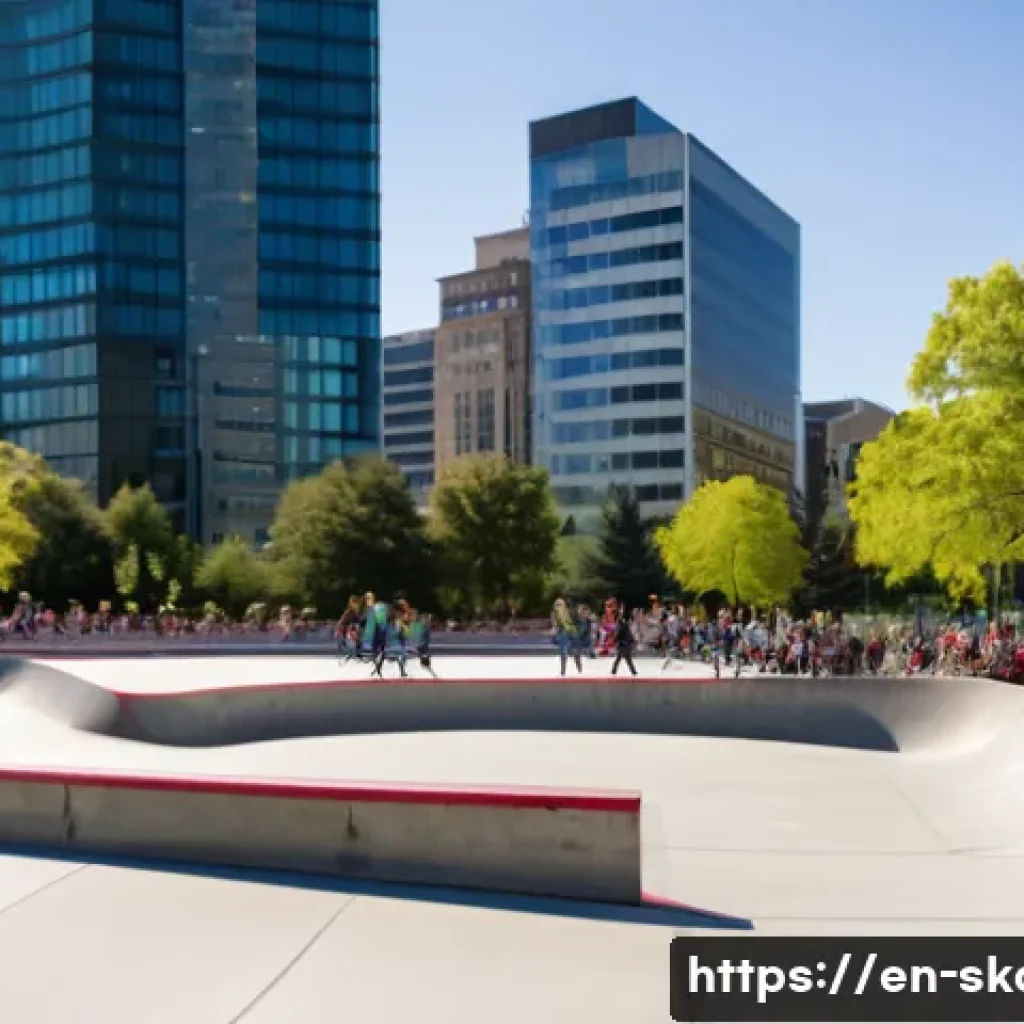
Hey fellow riders and shredders! If you’re anything like me, your local skate park isn’t just a spot—it’s a sacred space where creativity meets concrete, where every fall is a lesson, and every landed trick feels like pure magic.
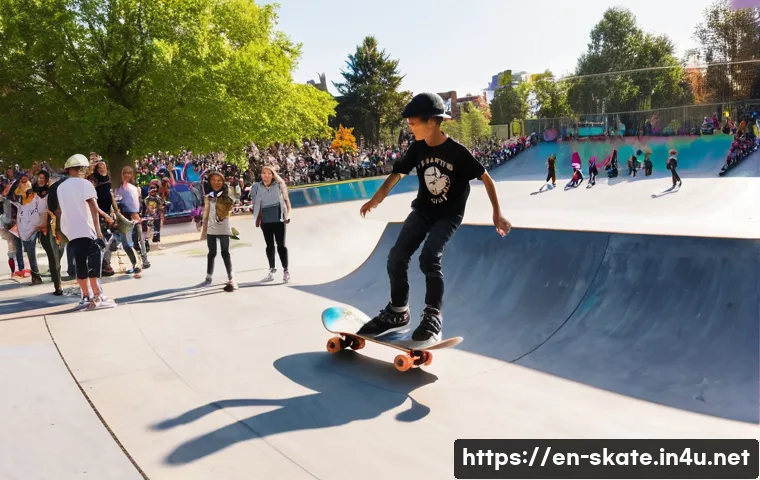
I’ve spent countless hours exploring parks across the country, from the legendary bowls of Venice Beach to hidden gems in bustling city centers, and let me tell you, the world of skate park facilities is changing faster than a kickflip.
It’s not just about ramps and rails anymore; we’re seeing incredible innovation in design, materials, and even community integration that makes these places truly exceptional.
Gone are the days of simple, cookie-cutter layouts. Today’s skate parks are engineering marvels, designed with flow, safety, and rider progression in mind.
We’re talking about advanced composites that offer superior durability and feel, smart lighting systems extending session times, and even parks that seamlessly blend into their urban landscapes, fostering a stronger sense of community.
The future looks even wilder, with whispers of augmented reality overlays for trick practice and modular designs that can adapt to changing trends. Understanding these evolving facilities isn’t just cool; it’s essential for finding your next favorite spot or even advocating for better parks in your own town.
Have you ever wondered what goes into creating a truly epic skate park, one that not only challenges but also inspires? From the intricate details of a perfect coping to the optimal layout of a street course, there’s so much more beneath the surface than meets the eye.
I’ve seen firsthand how thoughtful design can transform a simple concrete slab into a vibrant hub of activity, drawing in everyone from seasoned pros to eager beginners.
It’s about creating a safe, inspiring environment where passion can truly flourish. Let’s precisely unpack the fascinating world of skate park facilities, from cutting-edge designs to the hidden gems that make them truly stand out, right below.
The Art of the Flow State: Beyond Just Concrete and Steel
Stepping into a modern skate park these days is like entering a carefully orchestrated symphony of concrete and curves. It’s a world away from the rough-and-tumble spots many of us grew up with.
When I first started rolling, a decent curb or an abandoned drainage ditch was all we needed, but now, designers are truly crafting experiences. They’re thinking about how a rider flows from one obstacle to the next, creating a rhythm and a line that feels almost intuitive.
This isn’t just about putting ramps next to rails; it’s about creating a cohesive journey where every feature complements the last, allowing you to link tricks smoothly and endlessly.
I’ve personally felt the difference a well-designed park makes—it pushes your creativity and helps you discover new possibilities on your board. Whether you’re into technical street skating or big air in the bowls, today’s parks are designed to elevate your ride, transforming a simple session into an epic adventure.
Blending Design for Every Rider’s Dream Line
The beauty of contemporary skate park design lies in its versatility. We’re seeing a wonderful blend of “street plaza” elements—think ledges, stairs, and benches that mimic urban environments—seamlessly integrated with “transition terrain,” those beautiful, flowing curves reminiscent of empty swimming pools or classic bowls.
This hybrid approach means a park can cater to practically everyone, from beginners just getting comfortable with a kickturn on a mini ramp to seasoned pros dropping into a deep bowl.
It’s truly a marvel how a good designer can break up a large space into distinct “rooms” or areas of activity, each offering varying degrees of difficulty and challenges.
I’ve skated parks where you can spend hours just cruising a snaking flow section, then transition straight into a technical street line, all within the same space.
This thoughtful design means fewer collisions and more room for everyone to enjoy their chosen style, whether it’s carving, grinding, or launching into the air.
It’s all about maximizing usability and making every corner an opportunity.
Sustainable Surfaces and Smart Park Tech
Beyond the aesthetics and flow, the materials and technology going into skate parks today are genuinely impressive. While concrete remains the undisputed king for its durability, smooth finish, and low maintenance, I’ve seen some really exciting innovations.
There are discussions and even pilot projects exploring sustainable materials, like composite surfaces that offer superior feel or even bio-materials like mycelium-infused agricultural waste for indoor setups!
Imagine skating on mushroom-grown ramps—how cool is that? In addition to the surfaces themselves, smart lighting systems are extending prime skating hours, allowing for safe sessions even after the sun goes down.
Designers are also incorporating elements like proper drainage systems, comfortable seating *inside* the fenced area but away from the active zones, and even designated spectator areas.
These details might seem small, but they significantly enhance the overall experience, making parks more welcoming and functional for both riders and the wider community.
It’s a testament to how far we’ve come from basic, often temporary, wooden ramps.
More Than Just Ramps: Skate Parks as Community Cornerstones
For many of us, a skate park isn’t just a place to practice tricks; it’s a vital social hub, a “third place” outside of home and work or school where connections are forged and passions shared.
I’ve witnessed firsthand how these spaces break down barriers and create incredibly diverse communities. Forget the old stereotypes of rebellious, troublemaking skaters; today’s parks are vibrant melting pots.
You’ll find everyone from tiny groms on their first board to old-school legends still shredding, parents teaching their kids, and even people on scooters and BMX bikes sharing the space respectfully.
There’s an unspoken code of etiquette, a shared understanding that we’re all there for the love of the ride. This sense of belonging is something truly special, and it’s why I believe skate parks are so much more than just recreational facilities—they’re genuine community assets that foster positive engagement and a healthy, active lifestyle.
Cultivating Connection: Events and Inclusivity
Modern skate parks are actively designed with community building in mind. They often host events, from local competitions and workshops to art shows and music performances, turning them into bustling cultural centers.
I’ve seen parks where local artists are invited to paint murals, adding incredible visual flair and giving the space a unique identity that truly reflects the local scene.
More importantly, there’s a growing emphasis on inclusive design and programming. Many initiatives are actively working to make skateboarding accessible to underserved groups, including girls, trans youth, and those who might traditionally feel intimidated.
This means creating welcoming environments, offering free lessons, and ensuring visible representation. It’s about breaking down the historical barriers that once made skateboarding seem exclusive.
These efforts are not just about fairness; they enrich the entire skate community by bringing in fresh perspectives and diverse styles, making every session more interesting and dynamic.
It’s awesome to see how skate parks are becoming places where everyone feels they belong, regardless of their background or skill level.
The Power of Local Advocacy and DIY Spirit
The journey to build a new skate park often starts with passionate local advocates, and their dedication is truly inspiring. I’ve heard countless stories of communities rallying together, proving to city officials that a skate park isn’t just a “nice-to-have” but a genuine need.
These grassroots efforts are crucial, and sometimes, the sheer will of the local scene gives birth to incredible DIY spots. These hand-made parks, often built with a mix of concrete, wood, and sheer grit, possess a unique character and soul that professional parks sometimes lack.
They are a direct manifestation of a community’s creativity and determination. While official parks offer safety and longevity, DIY spots often foster an even deeper sense of ownership and camaraderie among the people who build and maintain them.
I’ve visited DIY parks that were initially illegal, but through persistent community effort and demonstrating positive impact, they eventually gained official recognition.
It really highlights how much the skateboarding community can achieve when they come together.
Keeping it Smooth: The Critical Role of Materials and Maintenance
When you’re flying through a bowl or sliding a rail, the last thing you want to worry about is the structural integrity of the park. From my experience, a great skate park feels solid and consistent underfoot, and that comes down to the quality of materials and the ongoing commitment to maintenance.
It’s not just about the big ramps and features; it’s about the details—the coping, the transitions, the smoothness of the surface. A well-maintained park inspires confidence, allowing you to push your limits without fear of unexpected cracks, loose components, or debris.
I’ve certainly had my share of sketchy encounters at neglected spots, and believe me, it really takes away from the fun and adds unnecessary risk to an already challenging sport.
Concrete’s Reign: Why It’s the Go-To Material
Without a doubt, concrete is the champion when it comes to skate park construction, and for good reason. It offers unmatched durability, a consistently smooth riding surface, and incredible design flexibility that allows for complex, flowing shapes.
Most modern public skate parks are “cast-in-place” concrete, meaning they’re built entirely on-site, allowing for highly customized and unique designs.
I love how concrete feels—it’s fast, responsive, and gives you a predictable ride every time. While you might occasionally find parks with wood or steel components, especially in indoor or modular setups, concrete truly holds up to the elements and the relentless wear and tear from thousands of wheels and boards.
The smooth, consistent coping on a concrete bowl just *feels* right for grinds and stalls, giving you that satisfying connection with the surface. It really enhances the overall quality of the skating experience.
The Unseen Work: Ensuring Safety and Longevity
Beyond the initial build, a crucial, often unseen, aspect of skate park quality is ongoing maintenance and strict adherence to safety standards. Regular inspections are absolutely vital to check for cracks, loose coping, protruding objects, or debris that could cause serious injury.
I’ve seen the difference a dedicated park staff makes—someone sweeping away pebbles, fixing minor wear, or promptly addressing any damage. Safety guidelines also play a huge role, recommending adequate lighting for night sessions, fencing to keep out distractions, and even suggesting varying difficulty levels for different areas of the park.
It’s all about creating an environment where skaters can focus on their riding and progression, knowing that the facility itself is designed and maintained with their well-being in mind.
This commitment to safety and longevity is what allows a skate park to remain a beloved community fixture for decades.
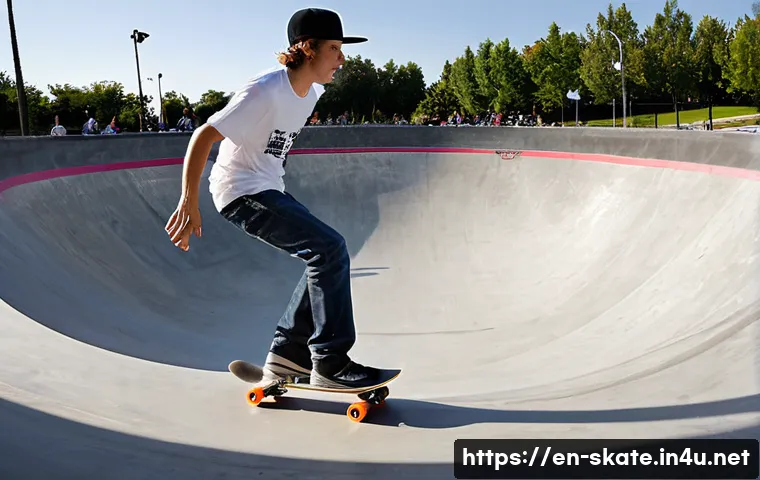
Funding the Fun: Innovative Ways to Build Your Dream Park
Let’s be real, building an epic skate park isn’t cheap. I’ve seen community groups struggle to gather the necessary funds, but what’s really inspiring is how creative and resourceful people become.
It’s a big investment, but the payoff in terms of community health, youth engagement, and a fantastic recreational outlet is undeniable. The most successful projects I’ve followed often combine a diverse mix of funding strategies, tapping into both public and private sources.
It’s a testament to the belief that these parks are truly worthwhile public spaces. Understanding where the money comes from, and how it’s managed, gives you a whole new appreciation for every smooth transition and perfectly placed ledge.
Local Initiatives and Grassroots Power
A huge portion of skate park funding, from what I’ve observed, often starts at the grassroots level. This involves passionate individuals and local groups organizing everything from bake sales and t-shirt drives to community events and crowdfunding campaigns.
These efforts, while sometimes not raising the largest sums, are absolutely critical for building momentum and demonstrating strong community support.
I’ve volunteered at local skate events that brought in just a few thousand dollars, but the awareness and local media attention generated were invaluable in getting bigger stakeholders on board.
Beyond direct cash, in-kind donations—like a local construction company offering machinery or a business donating materials—can make a massive difference.
Getting the local community actively involved creates a sense of ownership, making people more likely to use and care for the park once it’s built.
Beyond the Bake Sale: Diverse Revenue Streams
While grassroots efforts get the ball rolling, larger skate parks, especially those aiming for longevity and broader appeal, often rely on more diverse and substantial revenue streams.
Public funding through city, county, or state grants is a common source, often tied to youth development, health, or urban revitalization initiatives.
I’ve seen parks benefit from dedicated “charter funds” or bonds specifically allocated for recreational infrastructure. For private or indoor facilities, and even some public ones, additional income can come from admissions and memberships (think daily passes or monthly subscriptions), equipment rentals, and merchandise sales (branded apparel, anyone?).
Hosting events like competitions, demos, or even private parties can generate significant revenue and attract new users. Some parks even partner with local businesses for sponsorships, creating a win-win situation where brands gain visibility and the park secures ongoing financial support.
It’s a complex ecosystem, but when managed well, these diverse streams ensure the park thrives.
| Skate Park Type | Key Characteristics | Best For… |
|---|---|---|
| Street Plaza | Mimics urban environment with ledges, stairs, rails, benches. | Technical street skaters, grinding, manuals, gaps. |
| Flow Park | Combines transition and street elements, smooth curves and features. | Versatile riders, linking tricks, maintaining speed. |
| Bowl/Transition Park | Focuses on curved surfaces: bowls, half-pipes, vert ramps. | Transition riding, carving, airs, experienced skaters. |
| Hybrid Park | Mix of street, flow, and bowl elements. | All-terrain riders, diverse skill levels, maximum variety. |
| DIY Park | Community-built, often unique and raw, unconventional obstacles. | Creative expression, community ownership, unique challenges. |
My Quest for the Ultimate Ride: Personal Reflections on Park Features
Over the years, I’ve had the incredible privilege of shredding at so many amazing skate parks, from the legendary concrete playgrounds of California to hidden gems tucked away in quiet towns.
Each one leaves a unique impression, and I’ve developed a pretty strong sense of what makes a park truly special for me. It’s not always about the biggest features or the most intricate design; sometimes it’s the little things, the subtle nuances that make a session unforgettable.
My board has truly been my passport to countless experiences, and those memories are what keep me hyped for the next session. There’s nothing quite like dropping into a new spot and feeling that immediate connection with the terrain.
Decoding My Favorite Elements for the Perfect Line
For me, the magic often lies in the flow and the options available. I absolutely *love* a park with seamless transitions that allow for endless lines, where you can pump through a hip, grind a ledge, and then air out of a quarter pipe all in one continuous motion.
That feeling of maintaining speed and linking tricks effortlessly is pure bliss. I’m also a huge fan of well-designed pool coping—there’s just something about the sound and feel of a perfect grind on that rounded edge that gets me every time.
Shallow, mellow bowls are fantastic for building confidence and perfecting carves, while a good stair set with a hubba ledge always tempts me to try something new.
I’ve found that parks that offer a variety of features, catering to different speeds and skill sets, are the ones I return to most often. It’s about having enough challenge to push yourself, but also enough comfortable terrain to just cruise and enjoy the ride.
Advocating for the Next Generation of Shredders
My experiences have made me a firm believer in the power of quality skate parks, and I’m passionate about advocating for more and better facilities for future generations.
I’ve seen firsthand how a well-designed, well-maintained park can be a safe haven, a place where kids can burn off energy, learn new skills, and build friendships in a positive environment.
It’s about giving young people an accessible outlet for physical activity and creative expression. If there’s one thing I’ve learned, it’s that involving local skaters in the design process is absolutely crucial.
They know what works, what flows, and what the community truly needs. As I continue to explore new parks and connect with fellow riders, I’ll keep sharing what I find and championing the spaces that truly embody the spirit of skateboarding—places that inspire, challenge, and unite us all.
Concluding Thoughts
It’s truly incredible to witness how skate parks have evolved from simple concrete slabs into dynamic, thoughtfully designed spaces that are so much more than just places to ride.
They’ve become vibrant community anchors, fostering creativity, physical activity, and deep connections among people of all ages and backgrounds. For me, every session is a reminder of the power of passion and the joy of pushing boundaries, and seeing how designers and communities are working together to build these amazing environments just fuels my stoke even further.
Keep rolling, keep exploring, and keep celebrating the unique culture that unites us all.
Useful Information to Know
1. Engage with Local Initiatives: If your community is considering a new skate park or renovating an existing one, get involved! Local advocacy groups often seek input from riders. Your experience can directly shape the final design, ensuring it meets the needs of the actual users and helps create a space that genuinely flows well for everyone. Being a part of the process is incredibly rewarding and ensures the park truly belongs to the community.
2. Prioritize Safety First: While modern parks are designed for safety, always wear appropriate protective gear, especially a helmet. Learn park etiquette, like waiting your turn and being aware of other riders’ lines, to prevent collisions. Always check the park for any debris or hazards before you start your session. A little mindfulness goes a long way in keeping everyone safe and having a great time.
3. Explore Hybrid Designs: Don’t limit yourself to just one type of park. Hybrid parks that blend street, flow, and bowl elements offer the most versatile experience. They allow you to practice a wider range of tricks and discover new styles of riding, keeping your sessions fresh and challenging. These parks are often ideal for progression, providing beginner-friendly zones alongside advanced features.
4. Consider Maintenance in Park Planning: When supporting a new park project, advocate for a sustainable maintenance plan. A beautiful park is only as good as its upkeep. Regular cleaning, repairs, and inspections are crucial for long-term safety and enjoyment. Well-maintained parks attract more users and remain valuable community assets for decades, truly getting the most out of the initial investment.
5. The Power of Community Etiquette: A vibrant skate park thrives on respect. This means understanding that all wheels are welcome, from skateboards to scooters and BMX bikes, and sharing the space harmoniously. Offering encouragement to fellow riders, especially beginners, and helping to keep the park clean contributes significantly to a positive and inclusive atmosphere. It’s about building a strong community where everyone feels welcome to shred.
Key Takeaways
Modern skate parks have truly redefined recreational spaces, moving beyond mere concrete structures to become vibrant community hubs that actively foster connection, skill development, and a shared passion for wheeled sports.
The evolution in design, embracing seamless flow and diverse features, ensures these parks cater to a wide spectrum of riders, from absolute beginners to seasoned pros.
It’s truly inspiring to see how thoughtful planning, often driven by grassroots advocacy, combined with innovative materials and a steadfast commitment to maintenance, contributes to creating facilities that are not only thrilling but also safe and inclusive.
These parks are powerful examples of how local investment in public infrastructure can yield immense social benefits, promoting active lifestyles and nurturing a unique subculture that thrives on creativity and mutual respect.
The dedication to building these spaces ensures that the joy of rolling will continue to be accessible and celebrated for generations to come, embodying a perfect blend of sport, art, and community spirit.
Frequently Asked Questions (FAQ) 📖
Q: What exactly makes today’s skate parks so much more advanced and “epic” than the ones we used to ride?
A: Oh man, where do I even begin? It’s night and day, truly! Back in the day, we were often stuck with pretty basic setups – maybe some prefab ramps or a simple concrete slab, and if you were lucky, a converted empty pool.
But modern skate parks? They’re architectural masterpieces, designed with an incredible understanding of flow and rider progression. I’ve personally spent hours at parks like the Ariake Urban Sports Park in Japan, and what truly blew me away was how seamlessly different elements—bowls, street features like stairs and ledges, and transition zones—are integrated.
It’s like a symphony of concrete and steel, each feature designed to lead you into the next, making for longer, more exhilarating runs. We’re talking about incredibly durable, smooth concrete surfaces that give you perfect grip and speed, unlike some of the rougher spots I remember carving up as a kid.
And it’s not just about the big obstacles; the little details make a huge difference. Perfect coping on a quarter pipe, the ideal angle of a bank, or the strategic placement of a rail—these are all meticulously planned.
I’ve seen parks that even integrate smart lighting systems, letting us extend our sessions long after the sun goes down, which is a total game-changer for those of us with busy schedules!
Plus, the emphasis on safety is paramount, with designs that consider traffic flow and bail-out areas, which honestly gives you more confidence to try that new trick.
It’s a whole different world out there, built to challenge and inspire every rider, regardless of skill level.
Q: Beyond just ramps and rails, how are modern skate parks becoming real community hubs and blending into our cities?
A: This is honestly one of the coolest transformations I’ve witnessed! Modern skate parks are so much more than just places to ride; they’re becoming vibrant social centers, woven right into the fabric of our urban landscapes.
I’ve seen firsthand how thoughtful design can turn a skate park into a gathering spot for everyone, not just skaters. Many new parks are intentionally designed with “green space integration,” incorporating trees, seating areas, and even public art, making them inviting for families, casual observers, and even people just looking for a cool place to hang out.
I remember visiting a park in Portland, Oregon, where the skate park itself flowed into a larger public plaza, complete with cafes and shaded areas. It felt less like a segregated facility and more like an integral part of the city.
These spaces often host community events, from local competitions and youth workshops to art shows and live music, truly fostering a sense of belonging and breaking down those old stereotypes about skaters.
It’s incredible to see how municipalities are now embracing skate parks as key components of urban development, recognizing their power to promote physical activity, social interaction, and even reduce crime in some areas.
It’s about creating inclusive environments where people of all ages and backgrounds can connect and share a passion, whether they’re on a board or just enjoying the vibe.
Q: Looking ahead, what mind-blowing innovations can we expect to see in skate park design and technology?
A: Oh, if you think today’s parks are cool, just wait! The future of skate park facilities is going to blow your mind. We’re already seeing whispers and early implementations of technologies that will revolutionize how we ride and interact with our environment.
I’m personally stoked about the potential of augmented reality (AR) overlays. Imagine strapping on some smart glasses and seeing virtual obstacles projected onto a physical park, allowing you to practice new lines and tricks without the actual construction.
Or even getting real-time feedback on your balance and technique while you’re mid-air. It’s like having a personal coach built into the park itself! Another area that really excites me is modular designs.
I’ve seen concepts for parks where sections can be rearranged or swapped out, keeping the space fresh and adapting to new trends or skill levels. Think about how much that would extend the life and appeal of a park!
There’s also a big push for more sustainable materials and construction techniques, which means parks that are not only epic to ride but also kind to the planet.
And with advancements in sensor technology and AI, we might even see parks that can track individual rider performance, offering personalized challenges or connecting you with other skaters who have similar styles.
It’s all about enhancing the experience, pushing boundaries, and making skateboarding even more accessible and exciting for everyone. The possibilities feel endless, and I, for one, can’t wait to shred in these futuristic playgrounds!