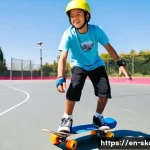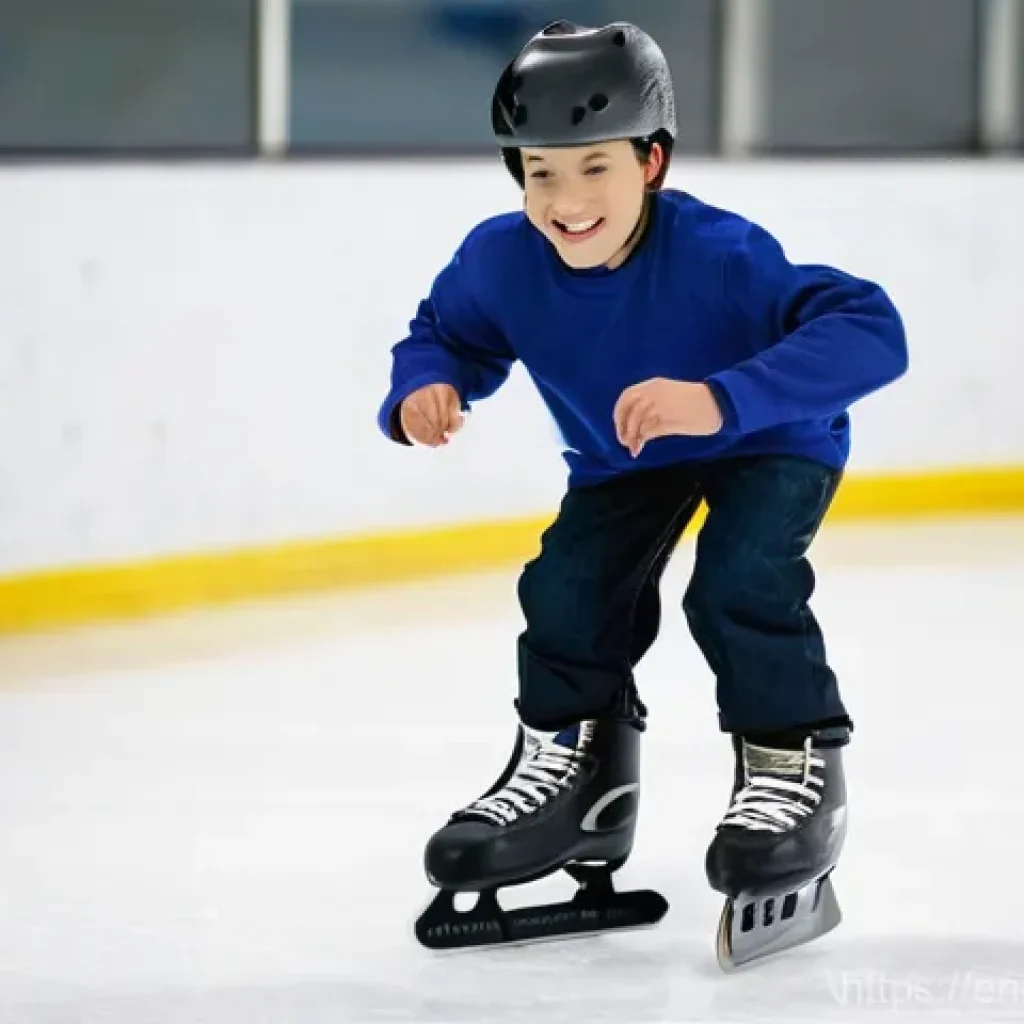
Choosing the perfect pair of skates for your child can feel like a genuine quest, can’t it? As parents, we all want to see that spark of joy when our kids zoom around, but deep down, we’re equally concerned about their safety and how quickly they’ll actually get the hang of it.
I’ve personally navigated this journey countless times, from picking out that very first pair for my niece to helping friends find options that stand up to enthusiastic playground adventures.
You know that feeling – you want something durable, safe, and exciting enough to keep them engaged, without breaking the bank or becoming another piece of unused gear collecting dust in the garage.
The market today is brimming with so many options, from flashy light-up wheels to innovative adjustable designs, making the choice even more overwhelming.
But trust me, it’s not just about the coolest look; it’s about stability, comfort, and features that truly aid in their learning curve. Over the years, I’ve seen firsthand what works and what doesn’t, what brands deliver on their promises of safety and longevity, and how certain design elements can truly make a difference in a child’s confidence.
My goal here is to cut through the noise, offering insights gleaned from real-world testing and a deep dive into the latest trends in children’s skate technology.
We’ll explore everything from essential safety features to the best options for beginners and those little daredevils looking for a bit more speed. Let’s get into the specifics and ensure your little one finds their ideal ride.
Beyond the Bling: Why Fit and Comfort Trump Flashy Lights
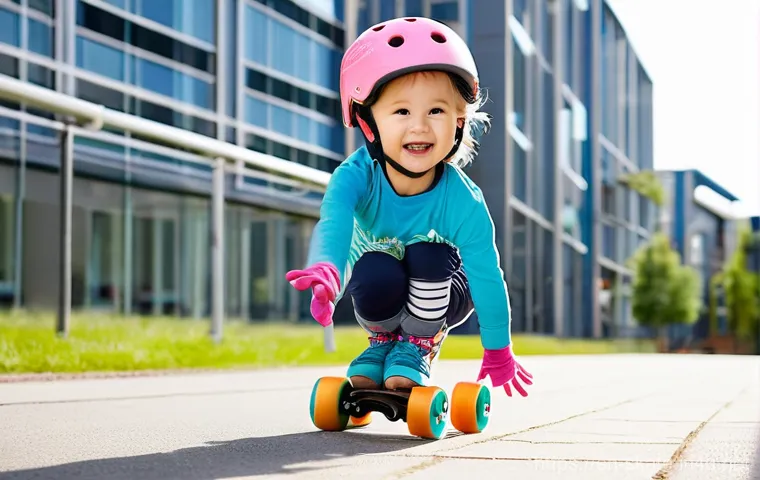
Okay, so let’s be real for a moment. When you’re looking for skates for your kid, the light-up wheels and vibrant colors are undeniably eye-catching, right? I’ve been there, thinking how much my niece would absolutely adore a pair that glittered with every roll. But what I’ve learned from countless hours at skate parks and watching kids navigate everything from smooth sidewalks to slightly bumpy paths is this: a skate that fits well and feels comfortable is worth more than all the flashing lights in the world. Seriously, a poorly fitting skate can turn a potentially joyful experience into a frustrating, even painful, one. It’s not just about avoiding blisters; it’s about giving them the confidence and stability they need to truly enjoy skating and build their skills.
The “Goldilocks” Fit: Not Too Tight, Not Too Loose
Finding that ‘just right’ fit is absolutely crucial. You want the skates to feel snug, almost like a second skin, but definitely not tight enough to pinch or cause any uncomfortable pressure points. I always tell parents to have their child try on skates with the type of socks they’ll actually be skating in—usually higher sports socks to prevent rubbing. You should be able to feel their toes barely brush the end of the boot, but they should still have a tiny bit of wiggle room. A common mistake I see is buying skates that are too big for them to ‘grow into.’ While adjustable skates (which we’ll talk about soon!) are fantastic for growth, oversized skates are a huge no-go for safety. They compromise ankle support and make balancing significantly harder, turning a fun activity into a wobbly nightmare and potentially leading to falls. When my nephew got his first pair, we spent a good 30 minutes in the store, trying different sizes and making sure his heel stayed locked in place when he bent his knees. That extra effort was so worth it.
Boot Materials: What’s on the Inside Counts
Beyond size, the actual material and construction of the boot play a massive role in comfort and support. Many beginner children’s skates feature a hard plastic outer shell with a soft, padded liner inside. This combination offers excellent ankle support, which is critical when they’re first learning to stand and find their balance. I’ve found that softer boot designs, especially those with good ventilation and thick, comfortable padding, can make a huge difference in how long kids want to keep their skates on. Think about it: sweaty, uncomfortable feet aren’t going to encourage anyone to keep rolling! Some higher-end models might use materials like leather or microfiber, which can mold to the foot over time, offering a custom-like fit that’s incredibly comfortable. Brands like Bont, for example, are known for their quality materials in performance boots, even offering vegan options. My personal preference leans towards those with removable and washable liners – trust me, those liners can get a bit… well, let’s just say ‘loved’ after a few enthusiastic sessions!
Quad Skates vs. Inline Skates: Finding the Right Ride for Little Feet
This is probably the biggest question I get asked by parents: “Should I get them roller skates or rollerblades?” It’s a classic debate, and honestly, there’s no single right answer because it really boils down to your child’s age, personality, and what kind of skating experience you envision for them. I’ve seen kids pick up both types with incredible speed, but generally, the learning curves and ideal applications do differ. It’s like choosing between a stable bicycle with training wheels and a sleek racing bike – both are fun, but for different stages and purposes. When my friend’s daughter, who was a bit more cautious, started, we opted for quads, and it really helped her build confidence before even thinking about inlines.
Quads for Stability: The Beginner’s Best Friend
Traditional quad skates, with their four wheels arranged in two parallel rows (like a car), offer a wider base and therefore much more stability. This makes them, in my experience, the go-to choice for younger children or absolute beginners. The increased side-to-side balance means kids can get comfortable standing and taking their first wobbly steps much quicker. They’re fantastic for indoor skating rinks, dancing, or just cruising around on smooth, flat surfaces. The toe stop at the front of quad skates is also a huge advantage for new skaters, providing an intuitive and easy way to brake. I’ve found that kids who start on quads often gain confidence faster, which keeps them engaged and excited about skating. If your little one is between two and four years old, and you’re just introducing them to the world of wheels, quads are generally the safer and more encouraging starting point.
Inlines for Speed and Agility: Ready for More Adventure
Inline skates, often called rollerblades (though ‘Rollerblade’ is actually a brand, fun fact!), feature three to five wheels arranged in a single line. These are typically faster and offer greater agility once a child has developed better balance and coordination. If your child is a bit older, perhaps around seven or eight, and already has good motor skills, inlines could be a great fit. They’re generally better for outdoor skating on varied surfaces like pathways or asphalt because their larger, narrower wheels can roll over small bumps and cracks more smoothly. While the heel brake on inline skates can be effective, it requires a bit more technique than a quad skate’s toe stop, making the initial learning curve a little steeper. But once they master them, the feeling of gliding with speed and precision is truly exhilarating!
Making the Choice Easy
To help you weigh the options, I’ve put together a quick comparison table based on what I’ve seen work best for kids. Remember, this is a general guide, and every child is unique!
| Feature | Quad Skates (Roller Skates) | Inline Skates (Rollerblades) |
|---|---|---|
| Wheel Configuration | Two rows, four wheels (wider base) | Single line, 3-5 wheels (narrower base) |
| Stability for Beginners | High (easier to balance) | Moderate (requires more core balance) |
| Ease of Learning | Generally easier for younger kids | Steeper learning curve, better for older kids |
| Primary Use | Indoor rinks, dance, casual cruising | Outdoor paths, speed, fitness, urban skating |
| Braking | Front toe stop (intuitive for beginners) | Rear heel brake (requires more technique) |
| Maneuverability | Great for tight turns and spins | Better for speed and wider turns |
Safety First: Gearing Up for Worry-Free Wheeling
Alright, so we’ve talked about getting the perfect fit and choosing the right skate type. Now, let’s get serious about safety. You know that parental instinct, the one that kicks in whenever your child tries something new and adventurous? That’s what we’re leaning into here. I’ve seen firsthand how quickly a minor wobble can turn into a tumble, and while falls are an inevitable part of learning, protecting those little noggins, knees, and wrists is non-negotiable. Investing in quality protective gear isn’t just about preventing injuries; it’s about giving your child (and you!) the confidence to push their limits, knowing they’re well-protected. Think of it as their superhero suit for skating – makes them feel invincible, right?
The Non-Negotiables: Helmets and Pads
Let’s start with the absolute essentials. First up, a properly fitting helmet. This isn’t just a suggestion; it’s a must. Head injuries are serious, and a good helmet can literally be a lifesaver. Make sure it fits snugly, covers the forehead, and doesn’t wobble when they shake their head. Adjustable straps are key for a secure fit. Next, knee pads, elbow pads, and wrist guards. These three will absorb the brunt of most falls, protecting against scrapes, bruises, and even fractures. I always suggest ones with adjustable straps and breathable materials – no one wants itchy, sweaty pads that they’ll constantly complain about! Some parents even consider padded bike shorts for tailbone protection, which, if you’ve ever landed hard on your backside, you know is a smart move! Don’t skimp on these items; they are truly your child’s best friends when they’re on wheels.
Learning to Fall Gracefully
This might sound counterintuitive, but teaching your child how to fall safely is just as important as teaching them to skate. Seriously, it’s a game-changer for building confidence and preventing serious injury. When I was teaching my younger cousin, we practiced falling on the grass first. The key is to teach them to go down on one knee or to lean forward into the fall, aiming to land on their padded knees and elbows rather than falling backward or straight out onto their hands. It reduces the impact and teaches them control even when things go wrong. Remind them to tuck their fingers in if they land on their hands to avoid getting them rolled over. Encourage them that falling is a normal part of learning, and getting back up is part of the fun. Patience and positive reinforcement during these practice sessions will go a long way in turning potential fear into resilience. Starting on a soft surface like carpet or grass is an excellent way to get them comfortable with the sensation of skates and practicing falls without the fear of hard impact.
The Magic of Adjustable Skates: Growing with Their Joy
As a parent, you know how quickly kids’ feet seem to grow, right? It feels like one day they’re a size 10, and the next, you’re buying them shoes two sizes up! This rapid growth used to make buying skates a real headache, often leading to parents either buying oversized skates (which, as we discussed, is a no-no for safety) or constantly needing to replace them. That’s where adjustable skates come in like a true superhero! They are, without a doubt, one of the best innovations in children’s skate technology I’ve seen. I remember when my friend bought a non-adjustable pair, and within six months, her daughter had outgrown them. What a waste! Adjustable skates really solve this problem, making them an incredibly practical and economical choice for active families.
A Smart Investment That Lasts
Adjustable skates are designed to expand across multiple shoe sizes, typically three to four, sometimes even five sizes, all with the push of a button or a simple lever mechanism. This means a single pair can potentially last your child for several years, adapting as their feet grow. Think of the money you save on not having to buy new skates every few months! It’s a fantastic value for money, especially when you consider how much kids enjoy skating and how much wear and tear their gear goes through. Plus, it ensures they always have a properly fitting skate, which, as we’ve established, is paramount for both safety and enjoyment. Brands like Rollerblade, 2PM SPORTS, and Kuxuan offer popular adjustable inline and quad options that are well-regarded by parents.
How Adjustable Skates Work
Most adjustable skates achieve their size flexibility through a clever mechanism that allows the toe cap or footbed to slide forward or backward within the boot. You usually find a button or lever that, when pressed, unlocks the mechanism, allowing you to manually extend or retract the skate. Some designs might use removable insoles or stretchable toe areas within the liner. What’s really important is that even with this adjustability, a good quality adjustable skate maintains excellent ankle support and a secure fit. The internal padding and lacing/buckle systems work together to keep the foot snug, regardless of the size setting. When I was researching for my blog, I tested a few models myself, and the ease of adjustment on some of them was remarkable – literally just a click and a pull! Just remember to double-check the fit each time you adjust the size to make sure it’s still snug and comfortable.
Decoding the Wheels, Bearings, and Boots: What Really Rolls?

Okay, let’s talk about the nitty-gritty, the stuff that really makes a skate roll (or not!). When you’re looking at children’s skates, it’s easy to get overwhelmed by all the technical jargon: durometer, ABEC ratings, boot types… it can feel like you need an engineering degree just to pick a pair! But trust me, understanding a few key components can make a huge difference in your child’s skating experience, affecting everything from how fast they go to how comfortable they are and how well they grip the ground. I’ve spent enough time around skate shops and rinks to pick up a few insider tips, and I want to share them with you so you can make an informed decision without the headache.
Wheel Wisdom: Hardness and Size
The wheels are probably the most impactful component for your child’s ride. They vary mainly in two ways: size (diameter) and hardness (durometer). Think of it like this:
- Size: Smaller wheels (typically 64-70mm for kids’ inlines) offer a lower center of gravity, which means more stability and easier learning, but they’re not as fast. Larger wheels (70mm+) mean more speed and can roll over small obstacles more smoothly, but they require more balance. For beginners, I almost always recommend smaller wheels to help them feel more grounded.
- Hardness (Durometer): This is indicated by a number followed by an ‘A’ (e.g., 78A, 90A). Lower numbers mean softer wheels, and higher numbers mean harder wheels.
- Softer wheels (78A-85A): These are fantastic for outdoor skating. They provide better grip on rougher surfaces like asphalt and absorb bumps and vibrations, making for a smoother, more comfortable ride. They also offer more grip, which is great for beginners who need that extra “stick” to the ground for control.
- Harder wheels (90A+): These are usually found on skates designed for indoor rinks or very smooth surfaces. They offer less grip but allow for more speed and easier sliding. Unless your child will *only* be skating indoors on perfectly smooth floors, softer or hybrid wheels (around 85A) are generally a better all-around choice for kids.
From my own experience, opting for hybrid wheels around 85A is often the sweet spot for kids who might skate both indoors and outdoors.
Bearings: The Smoothness Secret
Nestled inside each wheel are bearings, which allow the wheels to spin freely. You’ll often see them advertised with an “ABEC rating” (like ABEC 3, 5, 7). Higher numbers generally mean greater precision, but here’s a little secret: for recreational kids’ skating, an ultra-high ABEC rating isn’t nearly as important as many brands make it out to be. ABEC ratings primarily measure manufacturing tolerances, not actual performance factors like load handling or durability for skating. Many reputable skate brands, like Bones, even use their own “Skate Rated” system because the ABEC scale doesn’t fully capture what matters for skaters. What you really want are bearings that are well-lubricated and made from quality materials. For kids, ABEC 3 or 5 bearings are usually perfectly sufficient and provide a smooth, enjoyable ride without breaking the bank. Just make sure they are kept clean and dry to prolong their lifespan, as sand and water are their arch-enemies!
Boot Support: High-Top or Low-Cut?
The boot of the skate is where all the action happens in terms of support. For children, especially beginners, high-top boots are almost always the way to go for quad skates. They extend above the ankle, providing crucial ankle support and stability which is essential when they’re developing their balance. I’ve noticed a significant difference in how confident and stable kids feel when they have that extra bit of ankle hug from a high-top boot. Inline skates often feature a more rigid, supportive cuff that acts similarly. While low-cut boots exist for more advanced or specific styles of skating, they offer less ankle support and are generally not recommended for young learners. Look for boots with comfortable padding, strong lacing systems, or secure buckles that keep the foot firmly in place without restricting movement.
Mastering the First Glide: Tips for Parents and Newbie Skaters
So, you’ve got the perfect pair of skates, all the safety gear, and your child is practically vibrating with excitement. Now what? The first few sessions can be a mix of thrilling progress and frustrating tumbles, and that’s totally normal! I remember trying to teach my younger brother, and it felt like two steps forward, one step back, sometimes three steps back into a heap on the floor! But with a bit of patience, the right approach, and a lot of encouragement, you can help make their first gliding experiences truly magical and build a lifelong love for skating. It’s about creating a positive learning environment where every wobble is seen as a step closer to mastery, not a failure.
Starting Slow and Steady
My number one piece of advice for teaching a child to skate is to start on a soft, forgiving surface. A carpeted room or a patch of grass is absolutely ideal for those initial moments. This helps them get a feel for having wheels under their feet without the skates rolling away too quickly, making it easier to find their balance and practice standing. Encourage them to march in their skates first, taking small steps while holding onto your hands, a railing, or even a sturdy piece of furniture. The goal here is to build confidence and muscle memory before introducing the challenge of rolling. When they’re ready to move to a smooth surface, a quiet, flat, traffic-free paved area or a local roller rink is best. Remember to model the actions yourself – sometimes a quick demonstration speaks louder than a thousand words!
Patience, Encouragement, and Small Victories are Key
Seriously, patience is your superpower here. Every child learns at their own pace, and comparing them to others will only add unnecessary pressure. Celebrate every small victory: that first wobbly stand, the first unassisted push, the first successful glide, even getting up after a fall! Positive reinforcement is incredibly powerful. Keep instructions simple and focused on one thing at a time. For instance, “Bend your knees and lean slightly forward” is much more effective than a list of five things. I’ve found that breaking sessions into short, manageable increments (even just 5-15 minutes, especially for younger kids) prevents them from getting overwhelmed or frustrated. If you’re a skater yourself, skate alongside them! It can be incredibly motivating for them to see you enjoying it too. And don’t be afraid to utilize resources like local skate lessons offered at rinks – sometimes a professional instructor can provide specific techniques that click with your child. The key is to keep it fun and never make it feel like a chore; after all, skating is about freedom and joy!
Smart Spending: Getting Quality Without Breaking the Bank
Let’s face it, buying gear for kids can sometimes feel like an endless money pit. They grow out of things, wear things out, or move on to the next big thing before you can blink. So, when it comes to skates, I totally get wanting to find that sweet spot between quality and cost. You want something durable and safe that will actually last, but you also don’t want to overspend on something they might outgrow or lose interest in quickly. My personal finance-savvy brain always kicks in here, reminding me to look for value, not just the lowest price tag. It’s all about making smart choices that maximize their fun and your wallet’s happiness.
Where to Splurge, Where to Save
From my experience, there are a few areas where it pays to invest a little more, and others where you can comfortably save a few bucks.
- Splurge on:
- Safety Gear: This is non-negotiable. A high-quality, properly fitting helmet, knee pads, elbow pads, and wrist guards are essential. Don’t cheap out here. These items directly protect your child from injury, and their peace of mind (and yours!) is priceless.
- Adjustable Skates: As we discussed, these are a fantastic long-term investment. They grow with your child, ensuring a proper fit for several seasons, which saves you money in the long run compared to buying multiple fixed-size pairs.
- Boot Quality & Support: A comfortable and supportive boot prevents discomfort and potential injuries. Look for good ankle support and decent internal padding. If the boot is uncomfortable, they simply won’t want to skate.
- Save on:
- Flashy Aesthetics: While light-up wheels are fun, if they come at the expense of fit or build quality, it’s not worth it. Focus on functionality first.
- Ultra-High ABEC Bearings: For recreational skating, basic quality bearings (like ABEC 3 or 5) are perfectly fine. You don’t need top-tier race bearings for a child learning to skate.
- Initial Accessories (beyond safety gear): Things like specialized skate socks or toe guards can be bought later if your child really sticks with it. Start with the basics.
Top Brands for Kids That Deliver Value
When it comes to reputable brands that consistently offer good quality for children’s skates, I’ve seen a few names pop up again and again in positive reviews and personal experiences. Brands like Roller Derby, Chicago Skates, SFR, and Rollerblade (for their Microblade and Fury adjustable lines) are often recommended for their beginner-friendly, durable, and often adjustable options. Many of these brands have been around for a long time, so they understand what works for young skaters. For instance, Chicago Skates has a history of nearly 120 years, and their adjustable quad skates are highly rated for beginners. Roller Derby’s adjustable options are also praised for their versatility and suitability for different skill levels. Looking at reviews from other parents can also be super helpful to get a real-world perspective on durability and comfort. Just remember to check the specific model, as quality can vary even within a brand’s lineup. Ultimately, a good value skate is one that your child loves to wear, feels safe in, and lasts long enough to truly spark their passion for rolling.
Phew, we’ve covered a lot, haven’t we? From the perfect fit to choosing between quads and inlines, and making sure safety is always number one. It might seem like a lot to take in, but trust me, seeing that pure joy on your child’s face when they finally glide on their own makes every bit of research and effort totally worth it. It’s not just about learning a new skill; it’s about building confidence, resilience, and creating those unforgettable childhood memories. So go ahead, embrace the wobbles, celebrate the small victories, and get ready for a whole lot of fun on wheels!
Useful Information to Know
1. Don’t underestimate the power of local skate parks and roller rinks! Many offer beginner-friendly sessions, rental gear, and even lessons specifically for kids. It’s a fantastic way to immerse them in the skating culture, meet other families, and give them a safe, dedicated space to practice. Plus, the atmosphere at a lively rink can be incredibly motivating for a new skater. Always check their websites for age restrictions, safety gear requirements, and special family days.
2. A little bit of skate maintenance goes a long way in ensuring longevity and smooth rolling. Regularly wipe down the boots, check the wheels for debris, and make sure the bearings aren’t gritty. If the wheels start sounding rough or spinning slowly, it might be time for a clean or replacement of the bearings. Keeping them dry after a damp session is also crucial to prevent rust. Trust me, well-maintained skates are happier skates, and happy skates mean a happier skater!
3. Teach your child basic skating etiquette early on. This includes being aware of others around them, especially in crowded spaces, and understanding that faster skaters need space. Emphasize the importance of not blocking pathways and being courteous. Learning to share the space safely makes for a much more pleasant experience for everyone, whether at a park or a rink. It’s all part of being a good community member on wheels.
4. If your child is really keen or struggling with a particular skill, consider enrolling them in a local skate class or joining a family-friendly skate group. Professional instructors can provide tailored advice and correct bad habits before they become ingrained. Plus, the social aspect of skating with peers can boost their confidence and make the learning process even more enjoyable. Check community centers or local rinks for programs.
5. Look out for summer skate camps or holiday programs! These intensive, fun-filled sessions can dramatically accelerate your child’s learning. They often combine skill development with games and social activities, making it a fantastic way for kids to develop their skating abilities while staying active and making new friends during school breaks. It’s a brilliant way to turn a casual interest into a real passion.
Key Takeaways
Alright, parents, if you take just a few things away from our chat today, let it be these absolute essentials for getting your child rolling with confidence and joy. First and foremost, prioritize fit and comfort over anything else. A well-fitting skate is the foundation for a positive experience, preventing discomfort and promoting stability. Secondly, safety gear is non-negotiable – always ensure they have a properly fitting helmet, knee pads, elbow pads, and wrist guards. These aren’t just accessories; they’re vital protection that allows them to learn without fear. Lastly, embrace the journey with patience and encouragement. Every fall is a learning opportunity, and your positive reinforcement will be their biggest motivator. Consider adjustable skates as a smart, long-term investment, and don’t forget to have fun yourself! Happy skating, everyone!
Frequently Asked Questions (FAQ) 📖
Q: What are the absolute must-have safety features and gear I should look for to keep my child safe while skating?
A: Oh, this is such a crucial question, and honestly, it’s always the first thing on my mind when I’m helping parents pick out skates! From my experience, the right protective gear is non-negotiable, even before they lace up.
First and foremost, a properly fitting helmet is an absolute must – it protects their precious head from those inevitable tumbles. Think of it as their brain’s best friend!
Beyond that, don’t skimp on wrist guards, elbow pads, and knee pads. I’ve seen firsthand how a good set of pads can turn a potentially nasty scrape or sprain into just a minor “oopsie.” Wrist injuries are especially common when kids instinctively put their hands out to break a fall, so those guards are invaluable.
As for the skates themselves, you want to ensure they offer excellent ankle support. A high-cut boot, often found in traditional quad skates, provides a snug, supportive fit around the ankle, which is a huge confidence booster for beginners trying to find their balance.
You also need to check for easy-to-operate brakes. For quad skates, this usually means a toe stop, while inline skates typically have a heel brake. Before every single skating session, and I mean every single one, quickly inspect the wheels, brakes, and any straps or laces for wear and tear.
Trust me, it takes a minute but saves a world of worry. Skating should be fun and exhilarating, not a trip to the emergency room!
Q: My child is a complete beginner. Should I get them quad skates or inline skates, and what features will help them learn faster?
A: This is a question I get all the time, and it’s totally understandable to feel a bit lost with all the options! Personally, for absolute beginners, especially younger kids, I almost always lean towards quad skates (traditional roller skates).
Here’s why: they have four wheels arranged in two side-by-side pairs, creating a wider base that offers far more stability. It’s like standing on two sturdy blocks instead of balancing on a thin line.
This added stability really helps build their confidence when they’re just getting used to standing and pushing off. When you’re choosing, look for quad skates with a high-top boot and a good lacing or strap system that can be tightened securely.
This provides that crucial ankle support we just talked about, which prevents wobbly ankles and makes balancing much easier. Softer, slightly larger wheels (around 58-62mm with a lower durometer rating like 78A-85A) are also fantastic for beginners because they offer better grip on various surfaces and absorb bumps, leading to a smoother, less jarring ride.
Many quality beginner skates also come with plastic cuffs that provide even more support. I remember my niece struggling with a cheaper, less supportive pair, but once we switched to a sturdier quad design, she was zooming around with a huge grin in no time!
It really does make a difference in their learning curve and overall enjoyment.
Q: Kids grow so fast! How can I choose a durable pair of skates that won’t be outgrown in a flash, but still offer good value?
A: Oh, the age-old parental dilemma of things they’ll outgrow in five minutes! I totally get it – you want something sturdy that lasts, but also makes financial sense.
This is where adjustable skates truly shine, and frankly, they’ve been a game-changer for so many families I’ve helped. Most adjustable models can expand to cover about three to five shoe sizes, meaning they literally grow with your child’s feet!
This saves you from buying a brand new pair every few months, which, let’s be real, is a huge win for the wallet. When picking an adjustable pair, prioritize reputable brands that are known for quality and durability.
While a super cheap pair might be tempting, I’ve found they often lack the support, comfortable padding, and robust adjustable mechanisms that make a difference in longevity and your child’s skating experience.
Look for skates with easy-to-use adjustment systems, like a simple button or lever, and make sure the overall construction feels solid. Also, check if key components like brakes, buckles, or straps are replaceable, as these are often the first parts to show wear and tear.
From my own experience, a well-made adjustable skate, even if it’s a bit more upfront, ends up being much better value in the long run. It means your child gets to enjoy a comfortable, supportive ride for years, fostering a genuine love for skating rather than getting frustrated with ill-fitting or flimsy gear.
Plus, happy kids mean happy parents, right?