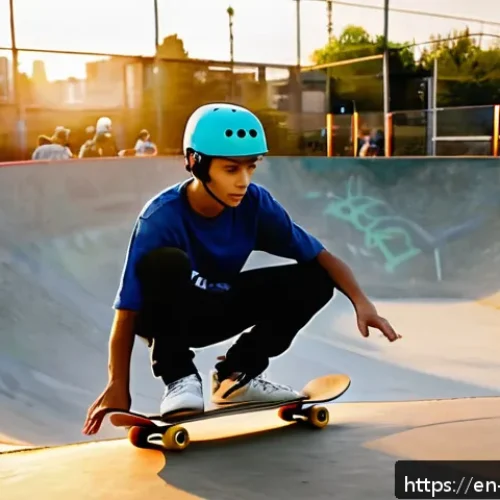
It’s a classic dilemma, isn’t it? You wake up, itching to hit the pavement with your board, only to see those dreaded grey clouds and feel the first drops of rain.

We’ve all been there, staring longingly out the window, wondering if a little drizzle is really *that* big of a deal. I mean, what’s the worst that could happen, right?
A bit of water never hurt anyone… or did it? As someone who’s spent countless hours carving up streets and parks, I can tell you that skateboarding in the rain is a whole different ball game, often not for the better.
From slippery surfaces that turn your favorite tricks into sudden wipeouts to the subtle, insidious damage it can wreak on your gear, there’s a lot more to consider than just getting a little wet.
Trust me, I’ve learned some tough lessons the hard way about what happens when your board meets a downpour. You might think you can handle a little wetness, but the risks go far beyond a simple slip.
Puddles hide cracks, grip tape loses its grip, and the components of your precious board take a beating that can shorten its lifespan significantly. Plus, imagine the frustration of ruining your favorite skate shoes!
It’s not just about avoiding a nasty fall, it’s about protecting your investment and ensuring you can keep shredding safely for years to come. So, before you grab your deck and head out into the wet, let’s explore exactly why rain and skateboarding often don’t mix and what you absolutely need to know to stay safe and keep your gear intact.
We’ll delve into all the details and make sure you’re fully informed to make the best decision for your next session. Let’s get into the nitty-gritty and uncover the critical precautions for skateboarding in the rain.
We’re going to dive deep into all the essential knowledge right now.
The Unseen Dangers Lurking on Wet Pavement
When those first drops hit the asphalt, it might seem like a minor inconvenience, but trust me, what you can’t see is often what’ll send you flying. I’ve been there, thinking a little moisture wouldn’t hurt, only to learn the hard way that wet pavement is a completely different beast.
The subtle sheen of water on the ground isn’t just making things damp; it’s creating a dangerously low-friction environment that drastically reduces your board’s ability to grip.
It’s like trying to run on ice with sneakers – utterly unpredictable. What felt perfectly normal and safe just moments before suddenly becomes a minefield of potential wipeouts.
Every turn, every push, every slight adjustment carries a heightened risk, turning your smooth ride into a frantic struggle for balance. Your muscles tense up, your focus narrows to the immediate ground, and the joy of cruising quickly evaporates, replaced by a constant, nagging fear of sliding out.
I once thought I could power through a light drizzle to get home, and before I knew it, my board was sliding out from under me on what looked like a perfectly flat patch.
It happened so fast, and the ground came up even faster. That experience taught me that even the slightest bit of wetness deserves serious respect.
Why Traction Disappears Faster Than Your Patience
It all comes down to friction, or rather, the lack thereof. Your wheels, no matter how grippy they feel on dry ground, are designed to work best when they can truly bite into the surface.
When water acts as a lubricant between your wheels and the ground, that essential friction vanishes. It’s not just a little less grip; it’s a fundamental change in how your board interacts with the pavement.
Imagine trying to stop quickly when your wheels are essentially hydroplaning – it’s a terrifying experience that often ends with you on your backside.
Even pushing off can become an exercise in futility, with your back foot slipping instead of propelling you forward. I’ve seen countless friends, and yes, even myself, bail purely because the board just slid out without warning on a seemingly innocent wet spot.
It completely messes with your muscle memory and makes even the simplest maneuvers incredibly risky.
Hidden Hazards: Puddles and the Perils Beneath
Puddles are the ultimate tricksters of the wet skate world. They look innocent enough, just a shimmering patch on the ground, but they are masters of deception.
What lies beneath that seemingly shallow pool of water? A gaping pothole? A loose rock?
A cracked slab of concrete? You simply can’t tell until it’s too late. Hitting an unseen obstacle can send your board flying, or worse, launch you over the handlebars (or lack thereof, in skateboarding’s case!).
Even if it’s just a flat puddle, the sudden resistance of pushing through water can throw off your balance, leading to an unexpected stop and a face-plant.
My worst experience was hitting a puddle that hid a deep divot – my front wheels slammed into it, and I was airborne before I even registered what was happening.
It’s not just about getting wet; it’s about the unknown dangers lurking just beneath the surface, waiting to ambush an unsuspecting skater.
Your Board’s Silent Suffering: What Rain Does to Your Deck and Trucks
You might be focused on avoiding a fall, but your board is taking a beating you can’t always see right away. I used to think my board was indestructible, a trusty steed ready for anything, but rain taught me a harsh lesson about its vulnerability.
The components that make up your skateboard aren’t designed to withstand prolonged exposure to moisture, and every time you skate in the rain, you’re slowly but surely chipping away at its lifespan and performance.
It’s a subtle degradation that often goes unnoticed until a bearing seizes up or your deck starts to feel strangely spongy. This isn’t just about a quick fix; it’s about the fundamental integrity of your ride.
Over time, the materials absorb water, metals rust, and moving parts grind to a halt. It’s heartbreaking to see a beloved setup slowly deteriorate, knowing that a little more patience on a rainy day could have saved it.
The Warping Woes of a Waterlogged Deck
Your skateboard deck is typically made of several layers of maple wood, bonded together with epoxy. Wood, as we all know, does not play well with water.
When your deck gets wet, especially repeatedly, it starts to absorb that moisture. This absorption causes the wood to swell, and as it dries, it can warp and delaminate.
Delamination is when those carefully glued plies start to separate, leading to a loss of pop, reduced strength, and an overall mushy feel. I once had a deck that got soaked too many times, and it developed this horrible concave warp that made it feel completely alien under my feet.
It lost all its crispness, and tricks became a struggle. Plus, the edges can start to soften and chip much more easily, making your board look ragged and perform poorly.
It’s an irreversible process once it starts, and it’s a real shame to ruin a perfectly good deck just because you couldn’t wait out a shower.
Bearing the Brunt: Rust and Resistance in Your Wheels
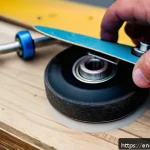
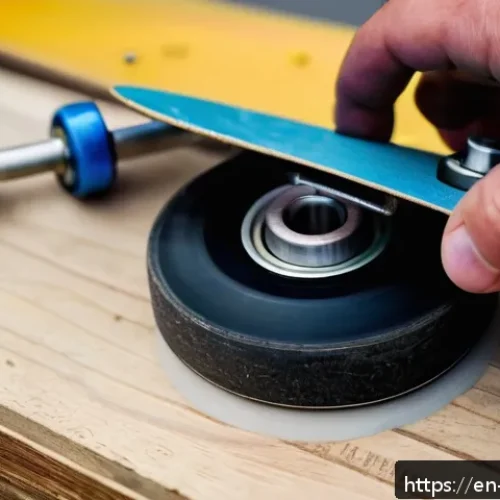
Bearings are the tiny, often overlooked heroes that allow your wheels to spin freely. They are precision-engineered metal components, and guess what metal absolutely hates?
Water! When water gets into your bearings, it washes away the lubricant, introduces grit, and initiates rust. The result is a slow, agonizing death for your bearings.
They’ll start to sound gritty, spin less freely, and eventually, they’ll seize up completely. I’ve had bearings seize mid-push, nearly sending me flying.
Replacing bearings is a common maintenance task, but accelerated wear due to rain means you’ll be doing it much, much more frequently, draining your wallet and your patience.
Plus, even your wheels themselves can suffer. While urethane is generally waterproof, consistent exposure to dirty, gritty water can embed fine particles into the wheel material, leading to faster wear and tear.
The Gripless Gamble: Why Your Footing Becomes Your Biggest Foe
When the ground gets wet, it’s not just about the board’s contact with the pavement; it’s equally, if not more, about your contact with the board. I’ve personally experienced the sheer terror of my feet slipping off the board mid-trick, or even just during a casual push.
It’s a sudden, jarring moment where you lose all control, and it feels like the board has suddenly gained a mind of its own, intent on ditching you. This loss of connection between your feet and the deck is a primary reason why skateboarding in the rain is such a dicey proposition, turning even the most experienced skaters into Bambi on ice.
It completely erodes your confidence and makes every movement feel precarious, stripping away the smooth, fluid motion that makes skateboarding so enjoyable.
It’s a frustrating and often painful lesson in physics and friction.
Grip Tape Goes Gummy: Losing Your Connection
Your grip tape is your lifeline to the board. It’s that gritty, sandpaper-like surface that gives your shoes the traction needed to steer, pop, and land tricks.
However, when grip tape gets wet, its effectiveness plummets. The water acts as a barrier, preventing your shoe soles from digging into the abrasive surface.
Instead of a solid, secure connection, you get a slippery, slimy interface. I’ve found my feet sliding around on wet grip tape almost as if I were standing on a freshly waxed floor.
This makes even simple maneuvers like turning or pushing incredibly difficult and dangerous. Imagine trying to ollie when your back foot can’t properly drag up the board – it’s practically impossible, and you’ll likely end up landing awkwardly or bailing completely.
Plus, once it dries, sometimes the adhesive on the grip tape can weaken, leading to bubbling or peeling, which is another costly repair or replacement.
The Perils of Hydroplaning: When Your Wheels Just Float
We talked about friction, but let’s dive a bit deeper into hydroplaning because it’s a specific and terrifying phenomenon. Hydroplaning occurs when a layer of water builds up between your wheels and the surface, causing your wheels to lose contact with the ground entirely and literally “float” on the water.
This means you have zero control – no steering, no braking, no stability. It’s not just a little slide; it’s a complete loss of command, and it can happen incredibly fast, especially if you hit a deeper puddle at speed.
I once tried to cross a slightly flooded street, thinking my momentum would carry me, but my wheels just lifted, and I felt utterly weightless and powerless for a terrifying second before the inevitable crash.
It’s like your board briefly becomes a hovercraft, but not in a good way, and it’s a stark reminder that water and wheels are a treacherous combination.
Protecting Your Precious Kicks: Saving Your Skate Shoes from Soggy Doom
Let’s be real, skate shoes aren’t cheap, and we all have that favorite pair that just feels *right*. So, seeing them get soaked and potentially ruined by rain is a huge bummer.
I’ve had many a beloved pair meet an untimely, soggy end, and it’s always disheartening. It’s not just about comfort; wet shoes are a health hazard for your feet and can severely impact your skateboarding performance.
Beyond the discomfort, the long-term effects of repeatedly soaking your shoes can turn a perfectly good pair into a smelly, disintegrating mess. It’s a hidden cost of skating in the rain that many people overlook until they’re staring at their ruined footwear.
Protecting your shoes is about protecting your feet, your wallet, and your overall skate experience.
The Unpleasant Reality of Ruined Soles and Stinky Sneakers
When your skate shoes get soaked, a few things happen. First, the materials – canvas, suede, leather – absorb water, causing them to stretch, weaken, and potentially crack or tear as they dry.
The stitching can rot, and the adhesives holding the soles to the uppers can fail, leading to premature blowouts. But perhaps even worse is the smell.
Wet shoes are a breeding ground for bacteria and mold, leading to persistent, unpleasant odors that are incredibly difficult to get rid of. I’ve tried everything from baking soda to special sprays, but once that mildew smell sets in, it’s pretty much game over for those shoes.
Plus, continually skating in soggy shoes can cause foot issues like athlete’s foot or blisters, making your feet uncomfortable and your sessions miserable.
No one wants stinky feet or ruined shoes just for a brief wet skate session.
Prevention is Key: Simple Steps to Extend Shoe Life
While the best prevention is simply not skating in the rain, sometimes you get caught out. If that happens, immediate action is crucial. As soon as you’re home, don’t just leave your wet shoes in a pile.
Remove the insoles and stuff the shoes with newspaper. Newspaper is highly absorbent and will help wick away moisture. Replace it every few hours until the shoes are dry.
Avoid using heat sources like radiators or direct sunlight, as this can cause the materials to shrink, crack, or warp. Let them air dry naturally in a well-ventilated area.
Consider investing in waterproofing sprays for your skate shoes, especially if you live in a damp climate or frequently encounter unexpected sprinkles.
While they won’t make your shoes fully waterproof, they can offer a decent layer of protection against light moisture and help prevent quick saturation.
Beyond the Bail: Long-Term Damage and Maintenance Headaches
So, you avoided a spectacular wipeout and managed to get home in one piece after a wet session. Phew, crisis averted, right? Not entirely.

The insidious truth about skateboarding in the rain is that much of the damage isn’t immediately apparent. It’s a slow, creeping degradation that eventually manifests as reduced performance, strange noises, and ultimately, expensive replacements.
I’ve seen boards that looked fine on the surface slowly succumb to hidden damage, turning a once-reliable setup into a frustrating mess. This isn’t just about the occasional splash; it’s about the cumulative effect of moisture on finely tuned components, leading to a host of maintenance headaches that you’d rather avoid.
The Creeping Corrosion: Rust’s Relentless Attack
This is perhaps the most widespread and frustrating long-term effect of wet skating. Every metal component on your board – your truck axles, kingpins, nuts, washers, and especially your bearings – is susceptible to rust.
Once rust sets in, it’s a relentless foe. It creates friction, weakens components, and can eventually seize parts solid. Rusty hardware can strip easily, making it a nightmare to change wheels or bushings.
Rusty bearings, as mentioned, are a death sentence for your roll. I once ignored a bit of rust on my kingpins, only for them to become incredibly stiff and difficult to adjust, ultimately leading to a snapped kingpin during a relatively minor impact.
The cost of replacing rusty trucks or bearings far outweighs the fleeting joy of a rainy skate, and the labor involved in trying to salvage rusty parts is often not worth the effort.
Soft Bushings, Sloppy Turns: When Components Lose Their Edge
Bushings, those small, usually urethane cushions within your trucks, are crucial for steering and responsiveness. They allow your trucks to pivot smoothly and provide rebound.
However, like your deck, repeated exposure to water can cause them to soften prematurely or even degrade. When bushings become too soft, your trucks lose their rebound, your turns become sloppy and less precise, and you lose that crisp, responsive feel you rely on.
This can make your board feel unstable and unpredictable, especially at higher speeds. I had a set of bushings that went completely dead after a few accidental wet rides, turning my sharp turns into vague, wobbly affairs.
It felt like trying to steer a boat, not a skateboard. Replacing bushings isn’t as expensive as trucks or decks, but it’s an unnecessary expense and hassle that comes directly from water exposure.
When the Elements Strike Back: Unexpected Mechanical Mayhem
It’s not just about rust and warped wood; sometimes, the rain can trigger more immediate and surprising mechanical failures. I’ve seen things happen to skateboards in the wet that simply don’t occur on dry days, leading to abrupt stops and unexpected malfunctions.
These aren’t just minor annoyances; they can be genuinely dangerous, turning a supposedly simple cruise into a terrifying incident. It really drives home the point that a skateboard, while robust, is not designed to be an aquatic vehicle.
The delicate balance of forces and the precision of its moving parts are completely disrupted when water enters the equation, leading to unforeseen consequences.
Kingpin and Axle Erosion: The Foundation Crumbles
The kingpin is the large bolt that holds your truck hanger to the baseplate, and your axles are what your wheels ride on. Both are critical structural components.
Over time, rust and corrosion on these parts can weaken the metal. A weakened kingpin can snap under stress, causing your truck to essentially disintegrate, which is an immediate and catastrophic failure.
Imagine trying to make a turn and your truck just collapses – it’s a nightmare scenario. Axle erosion, while usually slower, can lead to uneven wear on your bearings and wheels, and in extreme cases, could even lead to an axle snapping, leaving you with a wheel flying off.
I once saw a friend’s kingpin shear off after months of intermittent wet weather skating, and the resultant fall was gnarly. It’s a risk that’s just not worth taking for a quick ride.
Wheel and Bearing Wear: Grinding to a Halt
While we touched on bearings earlier, it’s worth reiterating the combined effect of water and grit on both wheels and bearings. When you skate in the rain, you’re not just riding through clean water; you’re riding through a slurry of road grime, sand, tiny pebbles, and dissolved pollutants.
This abrasive cocktail gets into every nook and cranny. The bearings become a grinding paste, and your urethane wheels get slowly eroded and pitted by these particles.
This leads to accelerated wear on both, meaning your wheels develop flat spots faster, and your bearings seize up more quickly.
| Component | Immediate Impact of Rain | Long-Term Damage | Recommended Action After Wet Exposure |
|---|---|---|---|
| Deck (Wood) | Reduced pop, slippery feel | Warping, delamination, reduced lifespan | Thoroughly dry, keep in ventilated area |
| Grip Tape | Loss of traction, very slippery | Adhesive failure, peeling, reduced grip | Wipe clean, allow to air dry completely |
| Bearings (Metal) | Gritty feel, reduced spin | Rust, seizing, complete failure | Clean and re-lubricate, or replace if necessary |
| Trucks (Metal) | Reduced turning responsiveness | Rust on axles/kingpins, structural weakening | Wipe dry, check for rust, light lubrication if possible |
| Wheels (Urethane) | Hydroplaning risk, slippery | Embedded grit, accelerated wear, flat spots | Rinse with clean water, wipe dry |
| Shoes | Soggy, discomfort, loss of grip | Material degradation, odor, sole separation | Remove insoles, stuff with newspaper, air dry |
Gear Care After a Wet Ride: Essential Post-Rain Rituals
Alright, so you got caught in the rain. It happens to the best of us, no matter how much we try to avoid it. But the battle isn’t over just because you’re indoors.
What you do in the immediate aftermath can significantly impact the extent of the damage and potentially save your beloved setup from an early grave. I’ve developed a ritual over the years for dealing with a wet board, and I can tell you from experience that skipping these steps is a surefire way to regret it later.
Think of it as essential first aid for your skateboard; a little effort now can prevent a lot of headaches and expenses down the line.
The Immediate Aftermath: What to Do the Moment You’re Indoors
First things first, get your board inside and out of the rain. Don’t just leave it leaning against a wall outside. Grab some old towels or rags.
The very first thing I do is wipe down the entire board, starting with the deck. Pay special attention to the edges and the grip tape, trying to absorb as much moisture as possible.
Then, I flip it over and meticulously dry the trucks, wheels, and bearings. Don’t forget the hardware! Every nut and bolt needs a good wipe.
If you can, remove the wheels and give the bearings an individual wipe-down. This isn’t a deep clean yet; it’s just about getting the bulk of the water off before it has a chance to soak in or start rusting.
The quicker you act, the better your chances of minimizing damage.
Deep Cleaning and Drying: A Comprehensive Approach
After the initial wipe, it’s time for a more thorough process. If your bearings got really soaked, you might need to pop them out, clean them with a bearing cleaner (like rubbing alcohol), and re-lubricate them.
This is crucial to prevent rust and keep them spinning smoothly. For your trucks, once dry, a light spray of a water-displacing lubricant like WD-40 on the axles and kingpins can help, but be careful not to get it on your bushings or wheels.
For the deck, ensure it’s completely dry before storing it. Never leave a wet board leaning against a wall where only one side can dry; this can lead to warping.
Place it flat or prop it up so air can circulate all around it. A dehumidifier in the room can also work wonders. As for your shoes, follow the newspaper stuffing trick we talked about.
This comprehensive approach might seem like a lot of work, but it’s far less effort and cost than replacing damaged components or buying a whole new setup.
Is it Ever Worth It? Weighing the Risks vs. the Thrill
After all this talk about ruined bearings, warped decks, and nasty falls, you might be asking, “Is there *any* scenario where it’s worth it?” I get it.
That urge to skate, especially when you’ve got a new trick on your mind or just need to clear your head, can be incredibly strong. I’ve stood at my window countless times, staring at a damp street, feeling that internal battle rage.
The short answer is usually no, it’s not worth it. The thrill of a few minutes of wet shredding simply doesn’t outweigh the very real risks to your physical well-being and the significant financial hit your gear will take.
It’s a classic short-term gain for long-term pain situation, and as someone who’s lived through both sides of it, I strongly lean towards patience.
The Slippery Slope of “Just a Little Bit”
This is where most of us get into trouble. We tell ourselves, “Oh, it’s just a light sprinkle,” or “I’ll just skate around the block quickly.” But “just a little bit” can quickly escalate.
A light drizzle can turn into a downpour, or that one seemingly dry patch can hide a slick, dangerous puddle. The moment you step on your board in the wet, you’ve accepted a vastly increased risk profile.
Your judgment can be clouded by the desire to skate, leading you to underestimate hazards or overestimate your ability to compensate for the lack of grip.
I’ve fallen prey to this mindset more times than I care to admit, always with the same outcome: a mild scare, a bruised ego, or worse, a damaged component.
It’s a slippery slope, both literally and figuratively, and it’s almost always better to err on the side of caution.
Finding Alternatives: Indoor Shredding and Rainy Day Prep
Instead of risking your health and your gear, why not use those rainy days productively? If you’re lucky enough to have access to an indoor skate park, that’s obviously your best bet for getting your fix.
But even if not, there are tons of ways to stay engaged with skateboarding. Work on your flat ground tricks in a garage or basement if you have space.
Watch skate videos for inspiration, or use the time to clean and maintain your existing setup. Inspect your bearings, rotate your wheels, tighten your trucks – all those little things you often put off.
You can also spend time researching new spots, planning your next session, or even setting up a new board. Rainy days are perfect for focusing on the theoretical and maintenance aspects of skateboarding, ensuring that when the sun finally comes out, you and your board are perfectly dialed in and ready to shred safely and effectively.
Wrapping Things Up
Whew, we’ve covered a lot today, haven’t we? From the instant loss of traction that sends you sprawling to the slow, creeping damage that eats away at your precious gear, it’s clear that skateboarding in the rain is rarely, if ever, a good idea. I know that feeling, the absolute itch to get out there, but trust me, that temporary thrill is just not worth the bruised ego, scraped knees, or the heartache of a ruined deck and seizing bearings. I’ve learned these lessons the hard way, through countless falls and more than a few prematurely retired setups, so you don’t have to. Take my word for it: patience is a virtue in skateboarding, and it’s never more true than when the skies open up. Your board, your body, and your wallet will thank you for waiting it out. Remember, the streets will still be there when they’re dry, ready for a safe and exhilarating session, free from the unseen dangers we’ve talked about today. Prioritizing safety and the longevity of your gear ensures that you’ll be shredding happily for years to come. This isn’t about being a party pooper; it’s about being a smart, experienced skater who knows when to push it and when to chill.
Useful Information to Keep in Mind
Here are some quick pointers from my own experiences to help you navigate those tricky, wet-weather situations:
-
Always Check the Forecast: Before you even think about heading out, a quick glance at the weather app can save you a world of trouble. I’ve been caught in unexpected downpours too many times because I skipped this simple step. Knowing what to expect lets you plan your sessions accordingly or wisely choose to stay indoors. Don’t leave it to chance; Mother Nature plays by her own rules, and they often involve drenching your skate dreams.
-
Master Your Indoor Tricks: Rainy days are perfect for honing your flat ground skills in a garage or basement. Think about improving your manual, nose manual, or even just working on your board control without the pressure of speed. I found that dedicating indoor time to these fundamentals actually made my outdoor sessions much smoother and more confident when the weather cleared up. It’s a fantastic way to keep your muscle memory sharp without risking your gear or yourself.
-
The Newspaper Trick is Your Best Friend: If your shoes get wet, seriously, stuff them with newspaper immediately. It’s an old trick, but it’s incredibly effective at drawing out moisture and preventing those dreaded smells and material breakdown. I’ve salvaged many a favorite pair of skate shoes this way, extending their life significantly. Just remember to replace the newspaper every few hours until they’re completely dry, and never use artificial heat.
-
Invest in a Good Skate Tool and Cleaning Supplies: Having a multi-tool and some bearing cleaner on hand is invaluable. After a questionable ride, being able to quickly disassemble your wheels, clean your bearings, and dry everything properly can make all the difference in preventing rust and extending the life of your components. I always carry a skate tool with me, and a small bottle of rubbing alcohol for quick bearing maintenance has become a staple in my gear bag.
-
Consider Waterproofing Sprays (for shoes, not boards!): While you should never skate in heavy rain, a good waterproofing spray on your skate shoes can offer a layer of protection against light splashes or unexpected puddles. It won’t make them invincible, but it can buy you precious time to find shelter or avoid immediate saturation. I’ve found some brands offer surprisingly good resistance, giving me a little peace of mind on those cloudy days.
Key Takeaways
Let’s boil down the most critical insights from our chat today. First and foremost, recognize that wet pavement is a silent saboteur; it completely alters the dynamics of your ride, reducing friction to dangerous levels and making even basic maneuvers precarious. Your safety should always be your top priority, and that often means making the difficult but wise choice to hold off on skating when it’s damp outside. Secondly, remember the invisible toll on your gear. Water isn’t just a nuisance; it’s an accelerant for rust, warping, and overall component degradation, leading to costly and frustrating replacements down the line. Protecting your investment means giving your board the care it deserves after any accidental wet exposure. Lastly, embrace rainy days as an opportunity – either for rest, indoor practice, or meticulous gear maintenance. There’s always something productive you can do to fuel your passion for skateboarding, even when the weather isn’t cooperating. Trust your gut, prioritize safety, and keep your gear dialed in for those perfect, dry shredding days. This isn’t just advice; it’s a philosophy born from years on the asphalt, learning lessons the hard way so you don’t have to. Stay safe, stay smart, and keep rolling when the conditions are right!
Frequently Asked Questions (FAQ) 📖
Q: Is skateboarding in the rain truly dangerous, or can I get away with a little drizzle?
A: Oh, trust me, it’s absolutely dangerous, and I’ve learned this the hard way more times than I care to admit. While a tiny, almost imperceptible drizzle might seem harmless, even a slightly damp surface drastically reduces your grip.
That smooth concrete you usually glide on transforms into an icy slick, making even the simplest push-off a gamble. Your wheels, designed for traction on dry surfaces, suddenly become almost useless, turning sharp turns into uncontrolled slides.
And don’t even get me started on the grip tape! It’s supposed to hold your feet firmly, but water makes it lose its stickiness, turning your board into a wild, untamed beast under your feet.
I once tried to just cruise through a light rain thinking, “It’s barely raining, what could happen?” Next thing I knew, my front wheels hit a barely visible wet patch, and I was on the ground before I could even blink, scraping my elbow pretty badly.
Beyond just slipping, puddles can hide all sorts of nasty surprises like cracks, potholes, or even debris you’d normally see. It’s not just about a little fall; it’s about potentially serious injuries that can keep you off your board for weeks, or worse.
So, my honest advice from countless hours on the pavement is to always err on the side of caution. If it’s wet, it’s not worth the risk.
Q: How exactly does rain damage my skateboard components and gear?
A: This is where the real heartbreak happens, beyond just the immediate wipeouts. Water is the arch-nemesis of your skateboard’s components, and it can wreak havoc in ways you might not even realize until it’s too late.
The most vulnerable parts are definitely your bearings. They’re intricate little mechanisms filled with grease, and when water gets in there, it washes out the lubricant and causes them to rust incredibly fast.
I’ve had a brand-new set of bearings turn into rusty, grinding messes after just one unexpected downpour, practically seizing up. Your deck, especially if it’s made of maple ply, is also incredibly susceptible.
Water can cause the wood to swell, warp, and even delaminate, which means the layers of wood start separating. This drastically reduces the pop you need for tricks and can eventually make your board snap much more easily.
Your grip tape will start to peel at the edges and lose its grippy texture, making your board feel sloppy and unsafe. And let’s not forget the trucks!
While more robust, they can still rust, especially the axles and kingpins, leading to squeaks and reduced performance. Then there are your skate shoes – water can ruin the materials, reduce their grip, and turn them into smelly, soggy sponges.
I once had a favorite pair of suede skate shoes get completely warped and stiff after a rainy session, and they were never the same. It’s not just about getting wet; it’s about actively degrading every part of your beloved setup.
Q: Are there any scenarios where it’s okay to skate in the wet, or what can I do instead?
A: Okay, let’s be super clear: I genuinely advise against intentionally skateboarding in the rain. The risks to your safety and the damage to your gear are just too significant.
However, I totally get that sometimes you get caught out, or you just have that uncontrollable itch to skate. If you absolutely, positively have to roll through a wet spot, like getting home and a small patch of street is unavoidable, do it with extreme caution.
Take it incredibly slow, keep your feet firmly planted over the trucks, and avoid any sudden movements or turns. Think of it more as carefully navigating a minefield than actually “skateboarding.” When it comes to alternatives, though, there are plenty of ways to scratch that skateboarding itch without risking life and limb or your precious board.
My go-to is usually an indoor skate park. Many cities have fantastic covered parks where you can shred regardless of the weather. If that’s not an option, a parking garage (if allowed and safe!) can offer some dry, smooth ground for flatground tricks or manuals.
Even just clearing out a space in your garage or basement can give you enough room to practice some board control, pivoting, or stationary ollies. Sometimes, I even use rainy days to watch skate videos for inspiration, clean and maintain my board (which is super important after any damp exposure – dry it immediately!), or even get a workout in to strengthen those core skate muscles.
So, while it’s tempting to brave the elements, remember that patience and smart choices mean more time shredding safely in the long run!