Alright, fellow skate enthusiasts! If there’s one thing that can absolutely gut me after a fantastic session on the ice, hitting the rink, or cruising down the street, it’s coming home and just tossing my skates into a bag or a corner.
Sound familiar? We’ve all been there, right? But trust me, that casual approach is a one-way ticket to a heartbreakingly short lifespan for your beloved gear.
I mean, who wants to lace up a pair of skates that smell like a locker room left to fester, or worse, find their blades pitted with rust or their wheels feeling sluggish?
It’s not just about the smell, though that’s definitely a huge factor – it’s about protecting a significant investment and ensuring your next ride is just as smooth and exhilarating as the last.
In today’s fast-paced world, with high-tech materials and performance-driven designs, our skates are more sophisticated and, let’s be honest, often more expensive than ever before.
Proper care isn’t just a nicety; it’s a necessity. We’re talking about preventing mildew, keeping those precision bearings spinning freely, and preserving the integrity of the boots, whether they’re classic leather or cutting-edge composites.
You’ve put your time, effort, and passion into skating, so why let poor storage undermine all that? I’ve personally learned the hard way how quickly neglect can turn a perfectly good pair of skates into a sad, unwearable mess.
But fear not! Taking a few simple, intentional steps can dramatically extend the life of your skates, keeping them fresh, functional, and ready for your next adventure.
Let’s dive deeper and get those skates stored perfectly, every single time.
The Immediate After-Skate Ritual: Your First Line of Defense

You’ve just crushed it, whether that was a blistering hockey game, a graceful figure skating practice, or a chill evening roll through the neighborhood. Your legs are probably burning a little, your heart is pumping, and that post-skate glow is real. But before you even think about kicking back, there’s a crucial step that can make all the difference in the world for your skates. I can’t tell you how many times I used to just toss my inline skates into my trunk after a long street session, thinking “I’ll deal with them later.” Big mistake! That ‘later’ often turned into rust spots on my bearings and a faint, unsettling odor that would eventually cling to my car. Trust me, a few minutes now saves you hours of regret (and maybe some cash) down the road. This immediate care is less about deep cleaning and more about preventing moisture from becoming your skates’ worst enemy. It’s a habit I swear by now, and it’s genuinely changed how long my gear lasts and how fresh it feels every time I lace up. It’s about respecting your equipment and setting yourself up for an equally fantastic next outing.
Wiping Down Your Blades and Wheels: Every Drop Counts
The moment I take off my ice skates, my first move is always to grab a clean, dry cloth – a microfibre towel works wonders for this. I meticulously wipe down every single inch of the blades, paying extra attention to the edges and any crevices where water loves to hide. For inline or roller skates, it’s the same principle for the wheels and bearings. Think about it: whether it’s melted ice, sweat, or street grime, that moisture is a prime catalyst for rust and corrosion. I once skipped this step after a particularly sweaty rink session, and sure enough, a week later, I found a faint orange tinge appearing on one of my blades. Heartbreaking! So, don’t skimp on this. Wipe down the trucks, the wheel hubs, and even give the boot exterior a quick once-over if it’s gotten wet. This simple act removes surface moisture, which is your biggest threat right after use. It’s a quick, almost meditative moment that sets the stage for proper drying and storage, keeping those precision parts gleaming and ready for their next challenge.
The Boot’s Best Friend: Airing It Out
After the initial wipe-down, the next non-negotiable step in my routine is to let those skates breathe. And I mean truly breathe. Stuffing them straight back into a closed bag or closet is a recipe for disaster – we’re talking mildew, persistent odors, and even material degradation. I learned this lesson the hard way with a pair of figure skates that started to smell like a forgotten gym bag, even after I thought I was being diligent. Now, I always loosen the laces completely, pull the tongue forward, and if possible, even remove the insoles. Then, I place them in a well-ventilated area, away from direct sunlight or heat sources. A fan can be your best friend here, especially in humid climates. I often prop them up so air can circulate all around the boot, both inside and out. This allows any residual moisture from sweat to evaporate naturally, preventing the growth of bacteria and fungi that cause those dreaded smells. It also helps maintain the structural integrity of the boot material, whether it’s leather or synthetic, ensuring they retain their shape and support for many sessions to come.
The Sanctuary of Storage: Where Your Skates Belong
Once your skates are thoroughly dry, where you put them next is just as important as how you cleaned them. I used to just leave my roller skates by the front door – convenient, sure, but terrible for their long-term health. The constant temperature fluctuations and potential for dust accumulation were silently doing damage. It’s like putting away a high-performance sports car in a dusty, damp shed; it just doesn’t make sense for something you rely on for peak performance. A dedicated storage spot isn’t just about tidiness; it’s about creating an environment that protects your investment and preserves their condition. We spend good money on our skates, from the top-tier bearings to the perfectly molded boots, so treating them with respect when they’re not on our feet is paramount. Finding that perfect spot in your home or garage might take a little thought, but once you’ve established it, it becomes a seamless part of your routine. It really makes a difference to know that when you grab your skates for your next session, they’ll be in prime condition, ready to go.
Temperature and Humidity: The Silent Killers
I cannot stress enough how much temperature and humidity can impact your skates. I once stored a pair of beloved ice skates in my unfinished basement during a particularly humid summer. When I pulled them out in the fall, I was horrified to find light surface rust on the blades, despite my careful wiping. It was a stark reminder that ambient conditions are crucial. Extreme temperatures, both hot and cold, can cause materials to expand and contract, leading to cracking or warping of boots. More importantly, high humidity is a breeding ground for rust on metal components and mildew inside the boots. Your best bet is to find a cool, dry place – think a closet inside your home, a dedicated gear shelf in a climate-controlled garage, or even a breathable locker. Avoid attics, basements, or car trunks where temperatures can swing wildly and moisture can linger. If you live in a particularly humid area, consider using a dehumidifier in the storage space or placing a desiccant packet inside each boot to absorb excess moisture. This proactive approach saves you from nasty surprises and ensures your skates remain in top-notch condition, always feeling fresh and ready for action.
Beyond the Bag: Dedicated Storage Solutions
While a good skate bag is essential for transport, it’s often not the ideal long-term storage solution. Many bags, especially older models, aren’t designed for breathability, trapping moisture and odors. For long-term storage, I’m a huge advocate for open-air solutions or purpose-built skate shelves. For my ice skates, I use blade covers, but then they go on a ventilated shelf in my closet. My inline skates get their wheels covered, but then they sit upright on a shoe rack, allowing air to circulate freely around the entire boot and wheel assembly. There are some fantastic wall-mounted racks available these days that not only look cool but also provide excellent ventilation. Investing in a proper storage solution might seem like a small detail, but it speaks volumes about how much you value your gear. It prevents accidental damage from things being piled on top of them, reduces dust buildup, and most importantly, ensures that lingering moisture doesn’t get trapped. It’s all about creating a mini-sanctuary for your skates, a place where they can rest, dry out completely, and stay protected until your next exhilarating outing.
Protecting Those Precious Components: Small Steps, Big Impact
Let’s be real, the heart and soul of your skates are their moving parts – the blades, the wheels, the bearings. These are the components that take the most abuse and are absolutely critical for performance. Over the years, I’ve seen countless skaters neglect these parts, only to be surprised when their edges dull prematurely or their wheels start dragging. It’s a bit like owning a high-performance car and never checking the oil; you’re just asking for trouble. Taking a few simple, intentional steps to protect these elements can dramatically extend the life of your skates and, more importantly, ensure that every push, glide, or spin feels just as smooth and responsive as the first. I remember a time when I thought blade guards were optional; after seeing a friend chip their brand-new blade on concrete, I quickly changed my tune. These small habits aren’t just about maintenance; they’re about preserving the very essence of what makes skating so enjoyable and effective.
Blade Guards and Wheel Covers: Essential Armor
For ice skates, blade guards are non-negotiable. Seriously, if you don’t have them, get them! Walking even a few steps on hard surfaces without guards can dull or nick your precious blades, compromising your edges and making your next session less efficient and more frustrating. I always keep a pair of soft guards for drying, which absorb any residual moisture, and then switch to hard guards for walking or transport. The same principle applies to roller and inline skates with wheel covers, though perhaps less critically for blade damage. Wheel covers help prevent dirt and debris from collecting on your wheels, which can then get transferred into your bearings. They also protect your floor surfaces from any grime your wheels might have picked up. I’ve even seen covers that protect the entire wheel assembly, which is fantastic for keeping things clean in your bag or car. Think of these covers as a knight’s armor for your skates’ most vulnerable parts. They’re inexpensive, easy to use, and offer a world of protection against unexpected bumps, scrapes, and environmental hazards that could otherwise shorten the lifespan and dull the performance of your beloved equipment.
Bearing Down on Longevity: Preventing Rust and Grime
Bearings are the unsung heroes of roller and inline skating. They allow your wheels to spin freely, providing that effortless glide we all crave. But they are incredibly susceptible to rust and grime. Water, dust, and tiny debris are their sworn enemies. After every outdoor skate, especially if I’ve hit any wet patches, I make it a point to quickly inspect my bearings. If they look dirty, I’ll take a dry brush to them to knock off any loose debris. For a deeper clean, which I do every few months depending on use, I carefully remove the wheels and pop out the bearings. I’ve found that a good bearing cleaner and lubricant (specifically designed for skate bearings, please, don’t use WD-40!) can work wonders. After cleaning and drying them thoroughly, a tiny drop of speed cream or bearing oil gets them spinning like new again. This step not only prevents rust but also significantly extends the life of your bearings, ensuring your ride stays smooth and fast. Skipping this step can lead to sluggish wheels, frustrating resistance, and ultimately, having to replace your bearings far more frequently than necessary. It’s a bit of a fiddly job, but the pay-off in performance and longevity is absolutely worth the effort, I promise.
The Deep Clean Dive: When Your Skates Need More Love
While daily maintenance is crucial, there comes a time when your skates need a bit more TLC than just a quick wipe-down and air-out. Think of it like taking your car in for a full detail after months of daily commutes. Over time, sweat builds up in the liners, dirt embeds itself in the nooks and crannies of the boot, and those mysterious funky odors start to become a permanent resident. I’ve definitely been there, trying to pretend that faint locker-room aroma was just “part of the character” of my skates. Nope, it was just plain gross, and it was actually undermining the materials. This deeper cleaning isn’t something you need to do after every single use, but incorporating it into your routine seasonally, or after particularly intense or wet sessions, can really revitalize your skates. It’s about more than just aesthetics; it’s about hygiene, material preservation, and ensuring that every time you slip your foot into your skates, it feels fresh and inviting, not like you’re stepping into a biological experiment.
Boot Care: From Leather to Synthetic
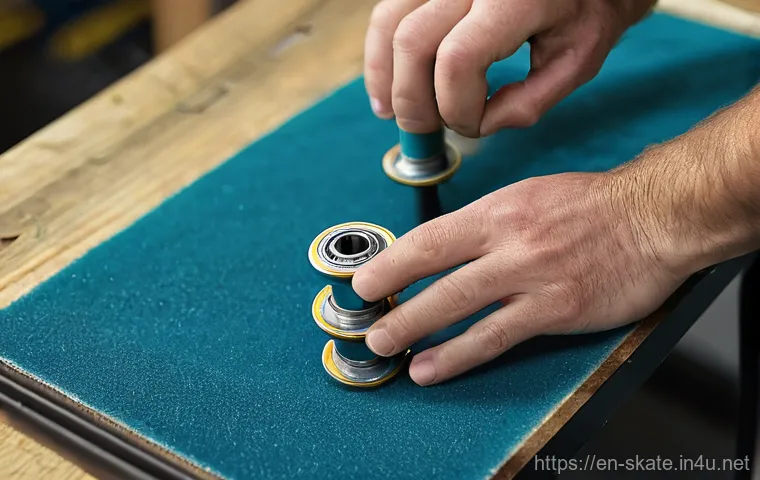
The exterior of your skate boots requires different care depending on their material. For leather boots, which I’ve had on many pairs of figure skates, conditioning is key. Just like a good pair of leather shoes, they can dry out and crack over time. I use a specialized leather cleaner and then a leather conditioner every few months to keep the material supple and prevent cracking. It’s truly amazing how much better leather looks and feels when it’s properly moisturized. For synthetic boots, often found on hockey or inline skates, a simple wipe-down with a damp cloth and mild soap is usually sufficient. Pay attention to any scuffs or grime that might be caked on. I sometimes use an old toothbrush to gently scrub textured areas. The goal here is to remove any accumulated dirt or surface stains that could otherwise degrade the material or make your skates look prematurely aged. Always remember to air dry them completely after any wet cleaning, never use direct heat. This meticulous care for the outer shell not only keeps your skates looking sharp but also maintains the structural integrity they provide for your feet, ensuring consistent support and fit.
Liner Refresh: Keeping the Funk Away
Now, let’s tackle the inside of the boot, which is often the source of the most challenging odors. My rule of thumb: if it smells, clean it! Many modern skates have removable liners, which is a godsend. If yours do, pull them out! You can often hand-wash these liners with a mild detergent and warm water, then air dry them thoroughly. I’ve even thrown some into a mesh laundry bag on a gentle cycle in my washing machine, but always check the manufacturer’s instructions first. For non-removable liners, or for quick freshen-ups, a fabric refresher spray designed for athletic gear can work wonders. My personal trick for stubborn odors in any boot, removable liner or not, is to sprinkle a generous amount of baking soda inside after a session, let it sit overnight, and then vacuum it out the next morning. It’s incredibly effective at absorbing odors. I also regularly wipe down the inside of the boot with a cloth lightly dampened with a solution of water and white vinegar (about 1 part vinegar to 4 parts water), which acts as a natural disinfectant and deodorizer. Keeping the liner fresh isn’t just about smell; it prevents bacteria buildup that can lead to skin irritation and ensures your feet feel comfortable and healthy inside your skates every single time.
Gear Up for Longevity: Accessories That Make a Difference
When we talk about skate care, it’s not just about what you do directly to the skates themselves. It’s also about the ecosystem of accessories that support their well-being. Over the years, I’ve realized that the right peripheral gear isn’t just about convenience; it’s about active protection and enhancement of your skates’ lifespan. I used to think a regular gym bag was fine for my skates, but after noticing how quickly they’d get battered and accumulate grime, I quickly wised up. It’s the small investments in these accompanying items that truly round out a comprehensive skate care strategy. They act as guardians, keeping moisture at bay, preventing physical damage, and ensuring that the hard work you put into cleaning your skates isn’t undone by improper storage or transport. Think of these accessories as your skate’s personal assistants, always working to keep them in top condition so they’re ready to perform when you are. Picking the right ones can save you headaches and extend the life of your gear significantly.
Desiccants and Deodorizers: Your Secret Weapons
Okay, this is where we get a little bit scientific, but trust me, it’s worth it. Even after airing out, some residual moisture can linger inside your skate boots, especially in those hard-to-reach toe boxes. This is where desiccants become your unsung heroes. I always tuck a few silica gel packets (the kind that come with new shoes or electronics) into my boots if I know they’ll be sitting for a while, especially during humid months. You can also buy reusable desiccant pouches specifically designed for athletic gear. These little powerhouses actively absorb moisture, dramatically reducing the risk of mildew and that dreaded funky smell. Alongside moisture control, odor management is crucial. For this, I swear by charcoal odor absorbers or cedar shoe inserts. Cedar not only absorbs moisture but also naturally repels certain pests and leaves a pleasant, subtle scent. Placing these inside your boots when they’re stored helps to neutralize odors and keeps the interior fresh. It’s such a simple addition to your routine, yet it yields incredible results in maintaining a clean, dry, and welcoming environment inside your skates, ensuring they smell as good as they feel.
The Right Bag Makes All The Difference
A good skate bag is more than just a glorified carrier; it’s a mobile protective unit. I can’t tell you how many times I’ve seen people cram their expensive skates into an old backpack or a flimsy tote, only for them to get scuffed, crushed, or even wet. The right bag, in my experience, has a few key features: ventilation, dedicated compartments, and durable material. Look for bags with mesh panels or vents that allow air to circulate, preventing moisture and odors from getting trapped. Separate compartments for each skate are a game-changer, stopping them from banging against each other and causing unnecessary wear. Plus, dedicated pockets for accessories like tools, blade guards, or spare laces keep everything organized and easily accessible. A sturdy, water-resistant exterior is also a huge bonus, protecting your skates from unexpected spills or rain. While a basic gym bag might seem fine for casual transport, investing in a high-quality, purpose-built skate bag is a smart move. It protects your investment during transit, keeps all your gear organized, and makes your life so much easier when you’re heading to or from the rink or skate park. It’s one of those items you buy once and thank yourself for countless times.
When to Call in the Pros (or DIY!): Knowing When to Step Up Your Game
Even with the most diligent daily care and meticulous storage, your skates are working hard for you, and like any performance equipment, they’ll eventually need a bit more than just surface-level attention. There are moments when a simple wipe-down isn’t enough, and you might need to consider more advanced maintenance, or even seek professional help. I’ve definitely learned to recognize the subtle cues my skates give me when they’re craving something more. Ignoring these signs can lead to compromised performance, discomfort, and even safety issues. Sometimes, it’s a simple adjustment you can make at home with the right tools, but other times, a specialist’s touch is truly necessary. Understanding when to sharpen your blades, rotate your wheels, or address deeper structural issues can save you from a lot of frustration and keep you on the ice or pavement performing at your best. It’s all part of being a responsible skate owner and maximizing the enjoyment and longevity of your beloved gear. Here’s a quick guide to common issues and their solutions:
| Issue | When to Act | DIY Solution | Professional Help |
|---|---|---|---|
| Dull Ice Skate Blades | Edges feel less “grippy”, difficulty stopping or turning. | Basic skate sharpening stone for minor touch-ups. | Regular professional sharpening (every 10-20 hours of ice time, depending on use). |
| Uneven Wheel Wear (Inline/Roller) | Skates pull to one side, wheels appear visibly worn on one edge. | Rotate wheels regularly (every 5-10 hours of skating). | Replacement of severely worn wheels. |
| Noisy or Slow Bearings | Grinding sound, wheels don’t spin freely. | Clean and lubricate bearings with specialized products. | Bearing replacement if cleaning doesn’t help. |
| Loose Hardware (Screws, Trucks) | Components feel wobbly or make clicking sounds. | Tighten with appropriate skate tools. | For stripped screws or persistent looseness, professional inspection. |
| Boot Fit Issues/Breakdown | Pain points, loss of support, visible cracks or creasing. | Heat molding (if applicable for your boot type). | Boot repair/patching, or professional advice on replacement. |
Sharpening and Wheel Rotation Schedules
For ice skaters, sharpening your blades is an art and a science. How often you need it really depends on how much you skate, your skill level, and the type of ice you’re on. Personally, I find myself needing a sharpen every 10-15 hours of ice time, but some aggressive skaters might go more frequently. You’ll know your blades are dull when you start to feel less “grip” on the ice, or turning becomes harder. Don’t wait until you’re slipping and sliding dangerously! For inline and roller skaters, wheel rotation is your equivalent. Because we often favor one side or push off with certain parts of our wheels, they tend to wear unevenly. If you neglect rotation, your wheels can develop a conical shape, making your ride wobbly and inefficient. I make it a habit to rotate my wheels every 5-10 hours of skating, or whenever I notice visible wear on one side. It’s a simple process of swapping wheels around to ensure even wear across all of them. This maximizes the life of each wheel and keeps your ride smooth and balanced. Both sharpening and wheel rotation are crucial for maintaining performance and safety, so make them a regular part of your skate upkeep.
Identifying Wear and Tear Early
Being proactive about identifying wear and tear can save you a lot of grief and money in the long run. After every skate, beyond the cleaning, I make it a habit to quickly inspect my entire skate. I’m looking for anything unusual: tiny cracks in the boot material, loose screws on the trucks or blade holders, frayed laces, or any signs of corrosion. For ice skates, I check the edges for nicks or burrs that could affect glide. For roller skates, I give each wheel a spin to check for smooth rotation and look at the integrity of the wheel itself – any chunks missing? Are the bearings making any strange noises? Early detection is key. I’ve caught minor issues like a slightly loose bolt before it became a major problem, simply by taking a few extra seconds to look things over. If you notice something concerning, don’t ignore it. Often, a small repair or adjustment now can prevent a much larger, more expensive problem later. It’s about being tuned into your equipment, understanding its limits, and treating it as the precision instrument it is. Your skates work hard for you, so give them the attention they deserve, and they’ll keep performing beautifully for years to come.
Whew, that was a lot to cover, right? But honestly, thinking about skate care in these different phases—from the immediate post-skate ritual to deep cleaning and even when to call in a pro—has genuinely transformed my own experience. It’s not just about keeping your gear looking good; it’s about preserving that feeling of smooth, effortless motion, ensuring your safety, and making sure your investment lasts. I’ve learned that a little effort upfront saves a ton of headache (and money!) later. Every time I step onto the ice or hit the pavement with gear that feels fresh and perfectly maintained, I know those few extra minutes of care are paying off big time. It’s a connection to your sport, a respect for your equipment, and a commitment to always getting the best out of every single session. So, go forth, skate hard, and take excellent care of those trusty wheels or blades!
Useful Information You Should Know
1. Regular Inspection is Key: After every session, take a moment to visually inspect your skates for any loose screws, nicks on blades, or unusual wear on wheels. Catching small issues early can prevent major problems down the line.
2. Moisture is the Enemy: Always ensure your skates are thoroughly dried and aired out after use. Trapped moisture leads to rust, mildew, and unpleasant odors, significantly shortening your skates’ lifespan.
3. Invest in Proper Storage: A breathable skate bag for transport and a cool, dry, well-ventilated space for long-term storage are crucial. Avoid extreme temperatures and humidity that can degrade materials.
4. Don’t Forget the Bearings: For inline and roller skaters, your bearings need love! Regular cleaning and lubrication prevent them from seizing up and keep your ride smooth and fast.
5. Know When to Seek Help: While DIY maintenance is great, don’t hesitate to take your skates to a professional for blade sharpening, major repairs, or if you’re unsure about a specific issue. Their expertise can save your skates.
Key Takeaways
At the end of the day, taking care of your skates boils down to a few core principles: prevention, consistency, and a little bit of common sense. My journey from a casual skater who tossed skates in the trunk to someone who meticulously cares for them has been a game-changer. I’ve found that the better I treat my skates, the better they perform for me, and the more enjoyable every single session becomes. It’s not just about extending their life; it’s about maintaining peak performance, ensuring safety, and quite frankly, avoiding that embarrassing smell! Remember, your skates are an investment in your passion. They carry you through exhilarating moments and challenging practices. By dedicating a small amount of time to their care, you’re not just maintaining equipment; you’re preserving your ability to glide, spin, and roll with confidence and joy for years to come. So, embrace the rituals, understand your gear, and keep those skates feeling brand new!
Frequently Asked Questions (FAQ) 📖
Q: My skates always smell terrible after a session! How can I get rid of the funk and keep them fresh for my next ride?
A: Oh, trust me, I’ve been there, and it’s absolutely one of the most common and, let’s be honest, least pleasant issues we face as skaters. That “locker room left to fester” smell?
Yeah, no thanks! The culprit is almost always moisture trapped inside the boot, creating a perfect breeding ground for bacteria. My go-to, tried-and-true method starts immediately after I take them off.
First, I always loosen the laces or straps as much as possible, really opening up the boot to let it breathe. Then, I pull out the insoles – this is a game-changer!
It allows air to circulate underneath and helps them dry separately. If your skates have removable liners, take those out too. Next, I use a pair of cedar shoe trees, or failing that, even some crumpled newspaper or specialized boot dryers.
Cedar naturally absorbs moisture and has antibacterial properties, leaving a subtle, fresh scent. Newspaper works wonders for drawing out dampness in a pinch.
If I’ve had a particularly sweaty session, I’ll often spray the insides lightly with a sport gear deodorizer – something designed to tackle bacteria, not just mask the smell.
I steer clear of harsh chemicals, though. Finally, and this is crucial, never, ever stash them in a closed bag or a dark, damp corner. Let them air out completely in a well-ventilated space, away from direct sunlight or heat sources that can degrade materials.
Following this routine has saved so many pairs of my skates from an early, stinky retirement!
Q: I’ve heard horror stories about skate blades and bearings rusting. What’s the best way to prevent rust on my precious equipment?
A: Rust is the silent killer of skate performance, my friend, and it’s heart-wrenching when it happens to gear you love. I learned this lesson the hard way once with a beautiful pair of ice skates I left in a damp bag for just a couple of days – a rookie mistake I still cringe thinking about!
The key, just like with the smell, is moisture management. For ice skate blades, the moment you step off the ice, wipe them down immediately with a clean, dry cloth.
Don’t skip this step! Even a tiny bit of melted ice left on the blade can start the rusting process. After wiping, I always put on a pair of soft, absorbent blade covers – never the hard plastic ones for storage, as those can trap moisture against the blade.
Terry cloth covers are my favorite because they continue to wick away any residual moisture. For roller skate or inline skate bearings, rust is usually a sign of water ingress.
Try to avoid puddles and wet conditions as much as possible. If they do get wet, you’ll want to remove the wheels, pop out the bearings (carefully!), clean them with a bearing cleaner, and then re-lubricate them with a speed cream or light oil.
It sounds like a lot, but it’s far less hassle than replacing seized bearings! After every roller skating session, I give my wheels and trucks a quick wipe down to get rid of any grime and dust, and I always store my roller skates in a breathable bag or openly, never sealed up, to allow air circulation around the wheels and bearings.
Q: I’m taking a break from skating for a while. What’s the best way to store my skates long-term without damaging them?
A: This is such a smart question, because long-term storage can absolutely make or break your skates, whether it’s for a season or longer. I’ve seen folks just throw their skates in a box in the garage, only to find warped boots or seized components months later, and believe me, that’s a real bummer.
The absolute golden rule for long-term storage is ensuring your skates are meticulously clean and completely dry before putting them away. I mean bone-dry, inside and out.
Follow all the steps we just talked about for cleaning and drying – remove insoles, liners, wipe down blades/wheels, and let them air out for at least 24-48 hours, perhaps even longer in humid climates.
Once they’re pristine, consider applying a thin layer of skate oil to metal components like ice skate blades to create a protective barrier against moisture.
For roller skates, make sure those bearings are cleaned and re-lubricated. If you have leather boots, a good leather conditioner will keep them from drying out and cracking.
Then, find a cool, dry place away from direct sunlight and extreme temperature fluctuations. Attics and damp basements are typically big no-nos. I prefer using a breathable skate bag or even just a clean, old pillowcase to protect them from dust, but crucially, it needs to allow for some air circulation.
Avoid airtight containers, as they can trap residual moisture. By taking these extra steps, you’ll be so grateful when you pull out your skates, fresh and ready for action, whenever you decide to hit the pavement or ice again!